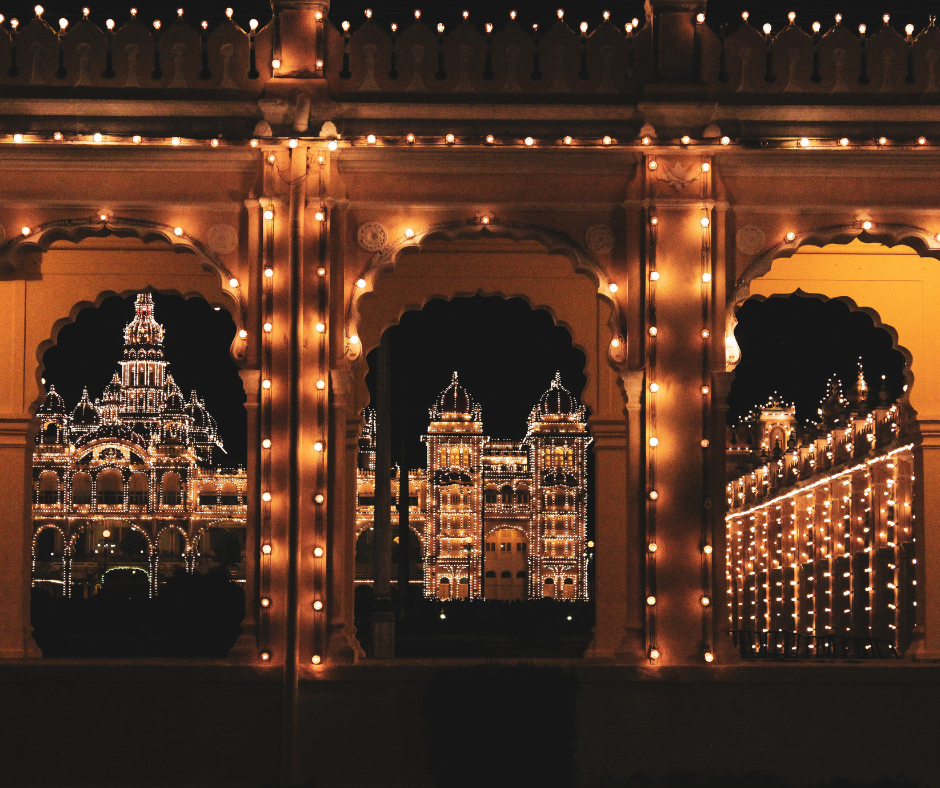
Stay in Characterful Luxury
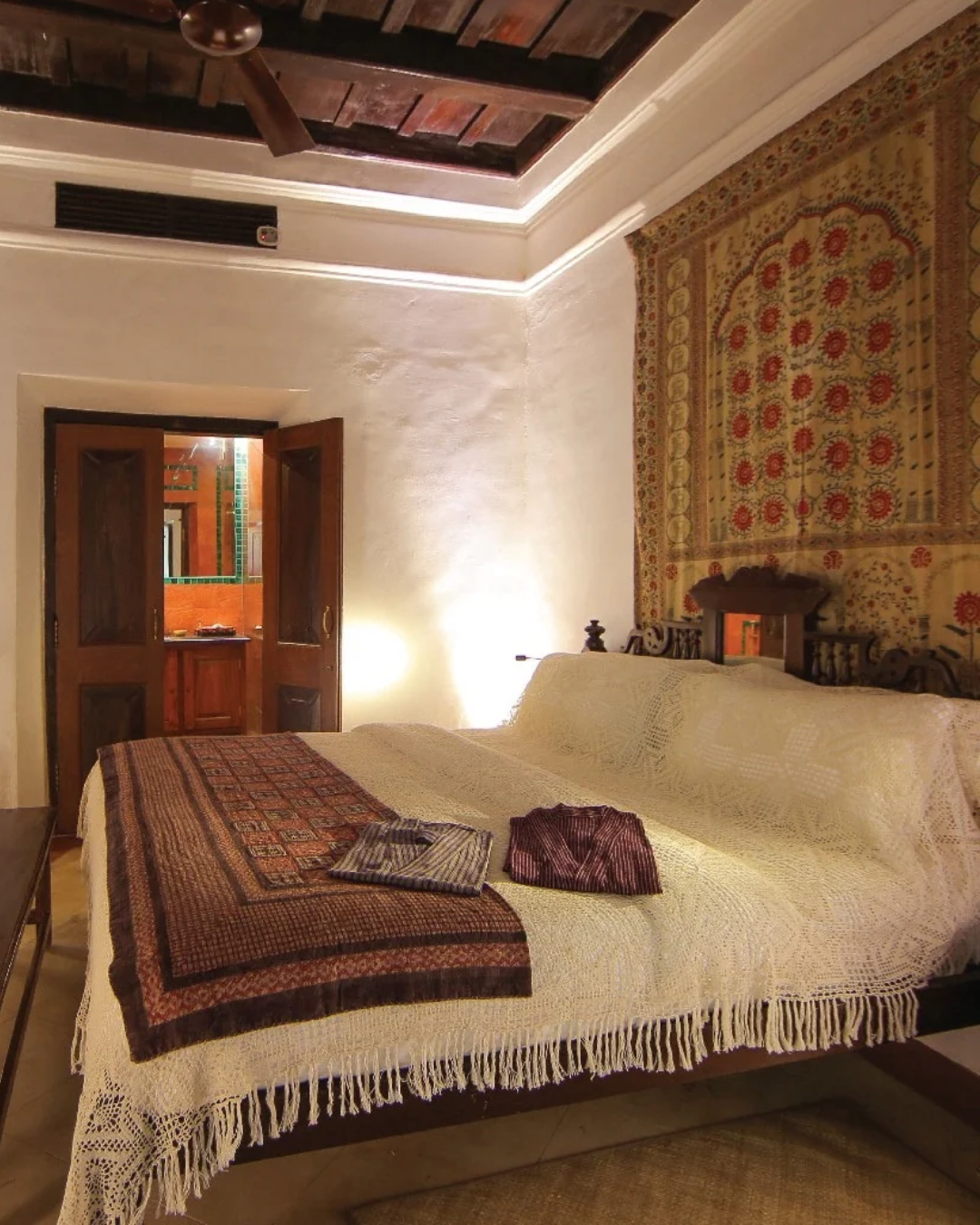
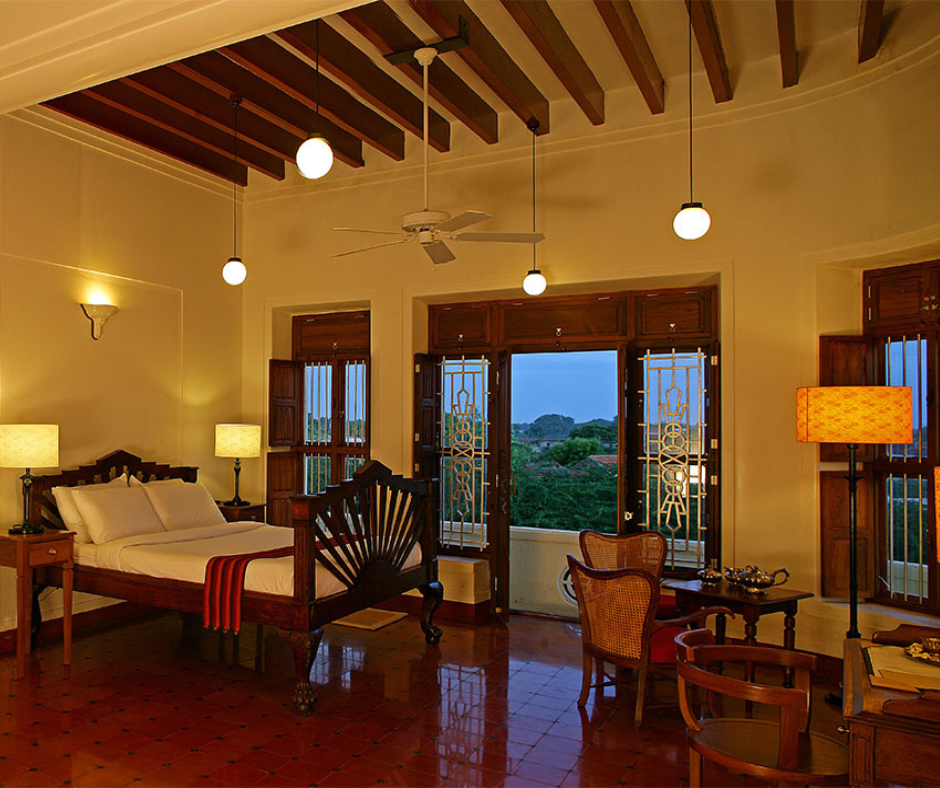
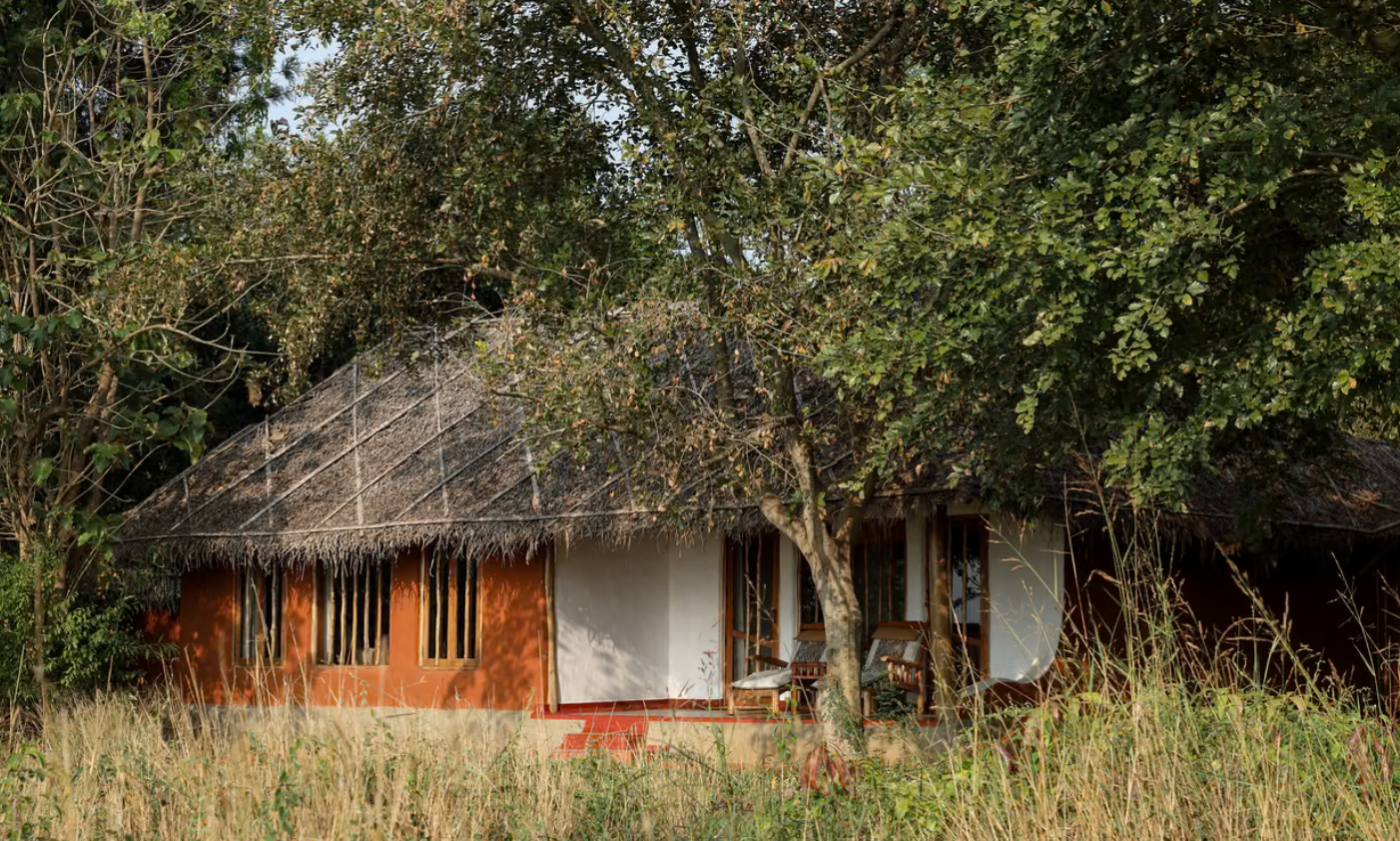
Where you stay is as much a part of the journey as where you go. Across Kerala and South India, accommodation ranges from luxury beach resorts and converted colonial properties to backwater houseboats, plantation stays, boutique hotels, comfortable homestays, wellness retreats and jungle lodges — each chosen to place you within the landscape itself, not simply beside it.
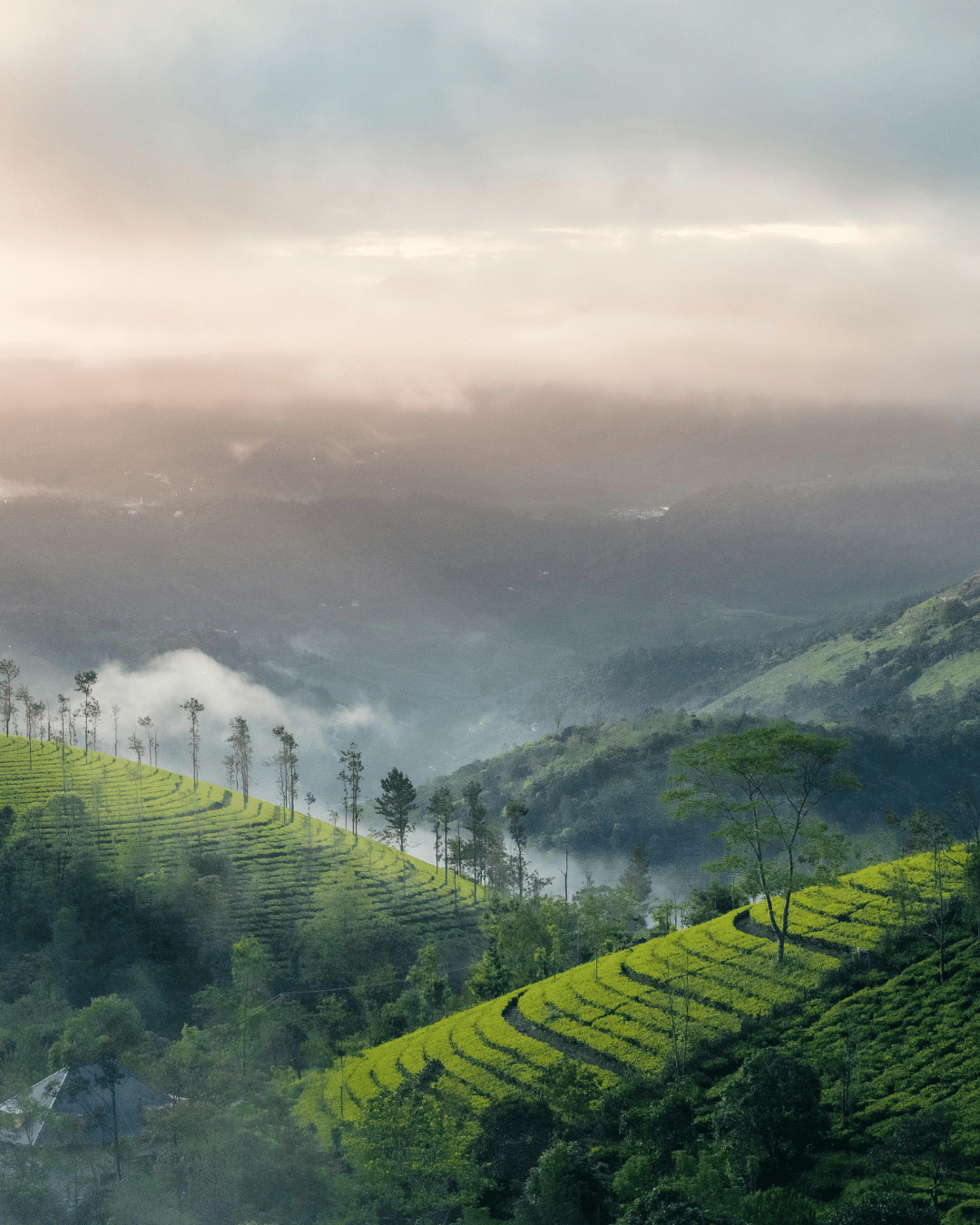
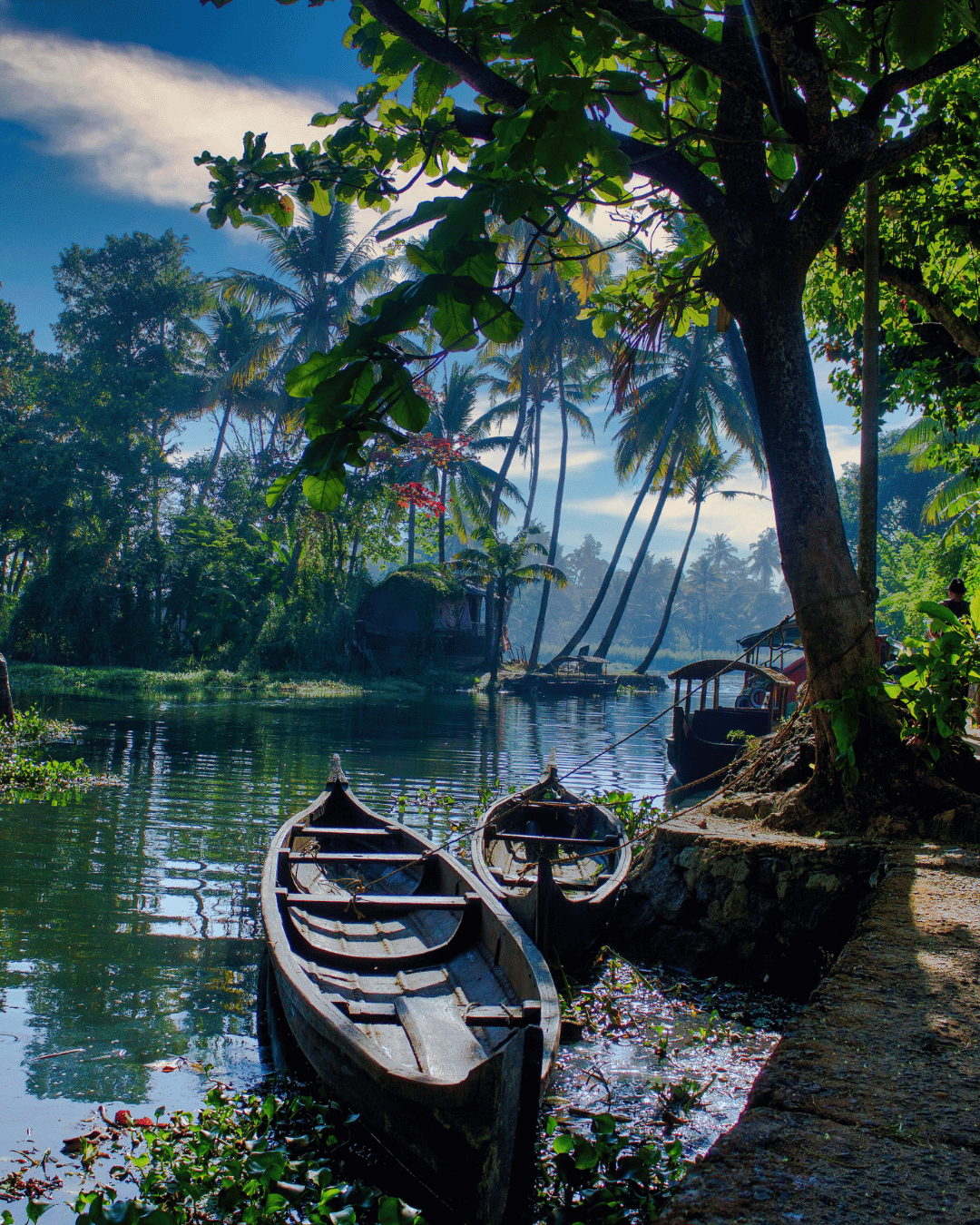
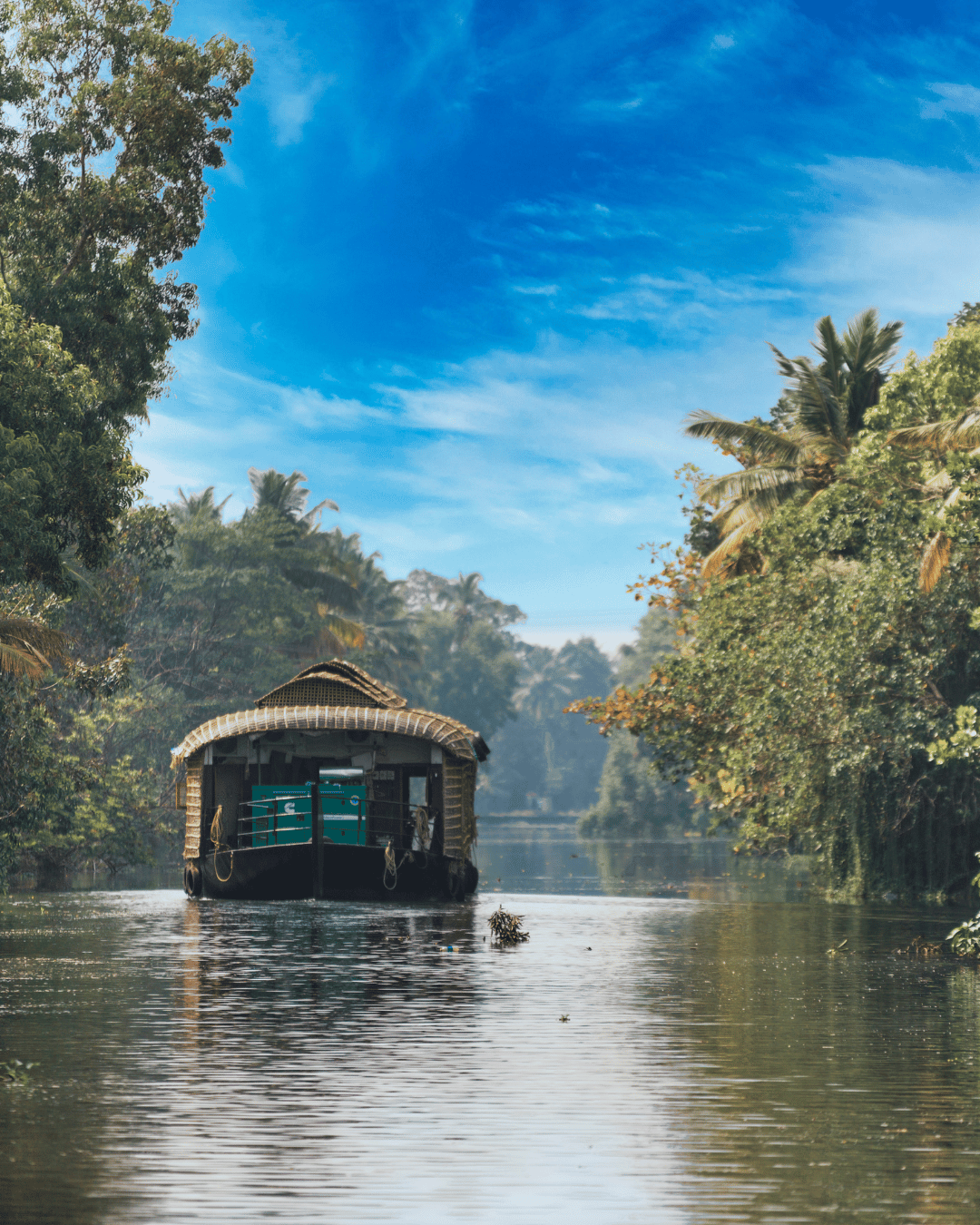
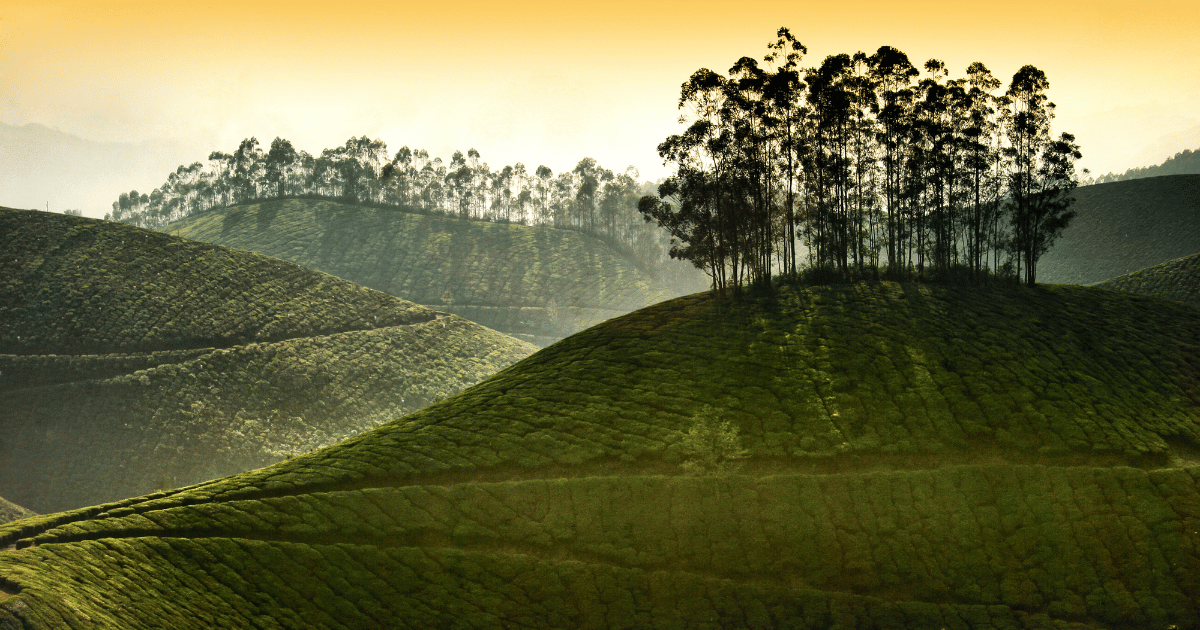
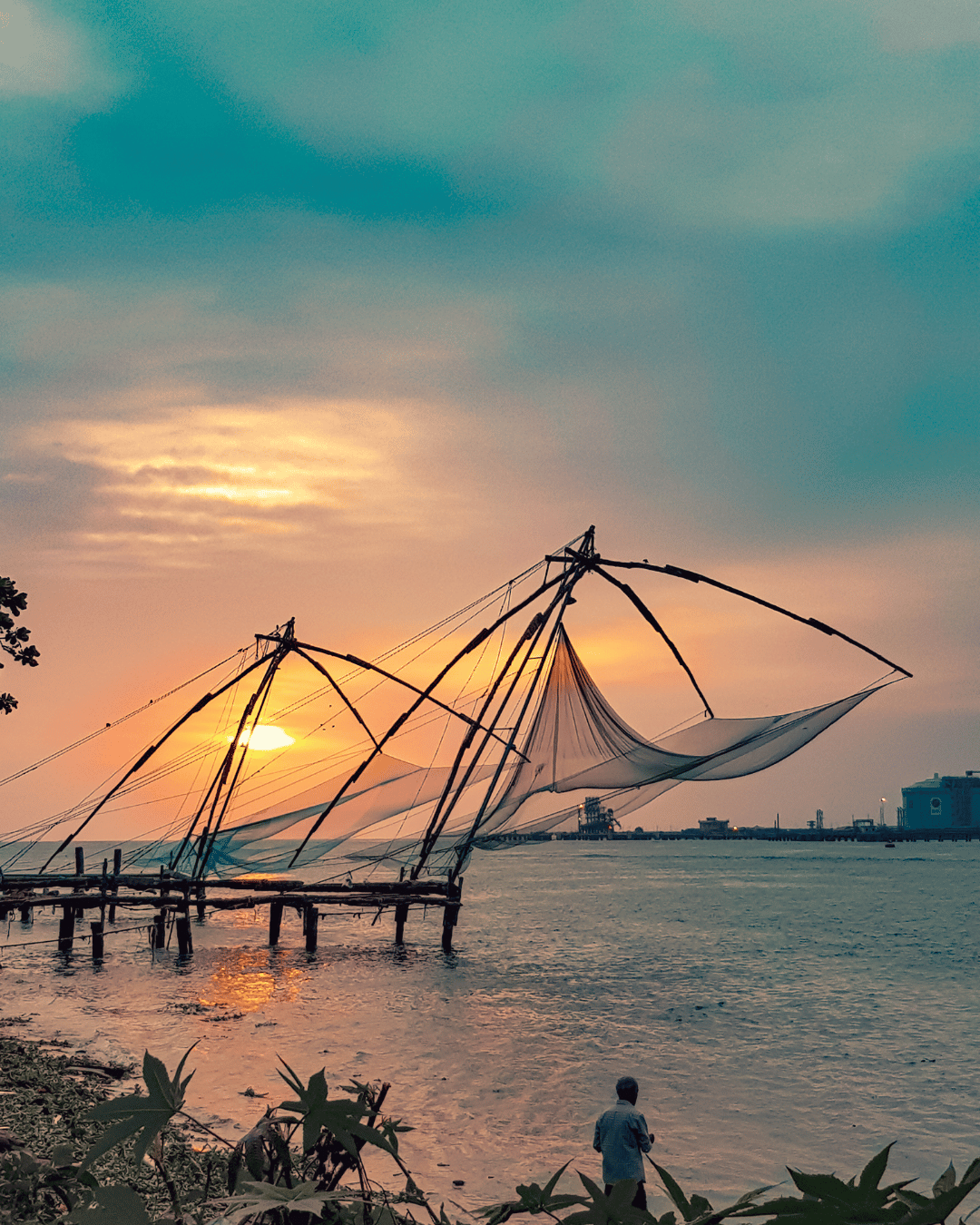
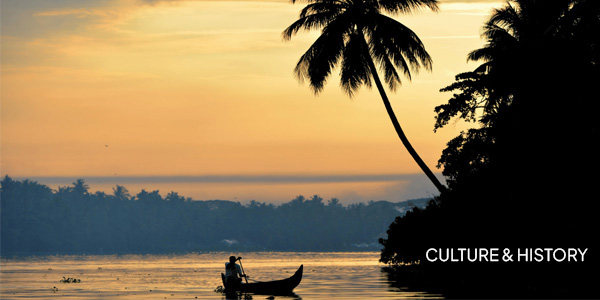
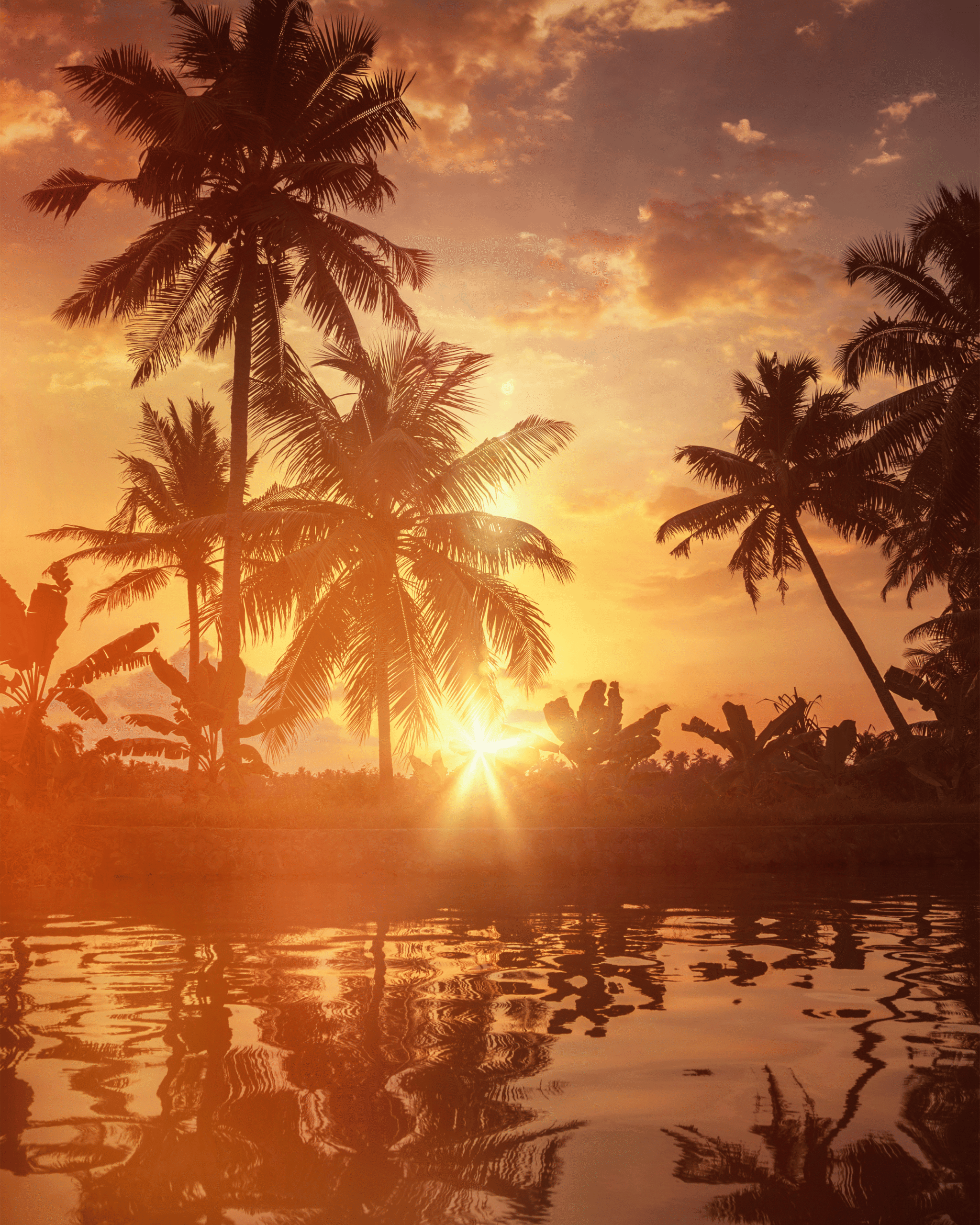
Here, a stay rarely exists apart from its setting: a night aboard a traditional houseboat drifting through Kerala’s backwaters, a room within a working tea or spice plantation, or a heritage property built in the colonial era and restored with quiet elegance. Along the coast, luxury beach resorts offer a different rhythm entirely, whilst inland, wellness retreats dedicated to Ayurveda provide a more restorative pace, jungle lodges on the fringes of national parks bring travellers closer to the region’s wildlife, and welcoming homestays offer a more intimate, personal glimpse into local life.
Rather than booking a hotel to fit an itinerary, we select each stay as part of the itinerary itself — a plantation stay fragrant with cardamom and pepper, a houseboat gliding past palm-lined waterways, or a homestay where warm hospitality takes centre stage — so where you sleep becomes part of the story of your journey, not simply a place to rest.
Properties can be combined freely according to your itinerary, allowing you to move between culture, nature, wellness and coastal experiences — with each stay chosen to reflect your interests and preferred style, ensuring a personalised journey through South India from beginning to end.
Best Time to Visit Kerala & South India
South India’s climate varies enough by region and interest that timing depends on what your journey prioritises, rather than any single season suiting everyone.
Winter (December to February): The coolest, driest months across most of South India, making this a comfortable period for sightseeing, backwater cruises and temple visits in Kerala, Tamil Nadu and Karnataka alike.
Monsoon (June to October): Rather than a season to avoid altogether, the monsoon transforms the landscape — hillsides and backwaters turn lush and green, and this period is traditionally considered ideal for Ayurvedic treatments, as the cooler, humid air is believed to open the body’s pores and enhance the absorption of therapeutic oils.
Ayurveda and wellness: Many wellness retreats consider the monsoon months their peak season for this reason, meaning travellers focused on Ayurveda may find June to September more rewarding than the drier winter period preferred for general sightseeing.
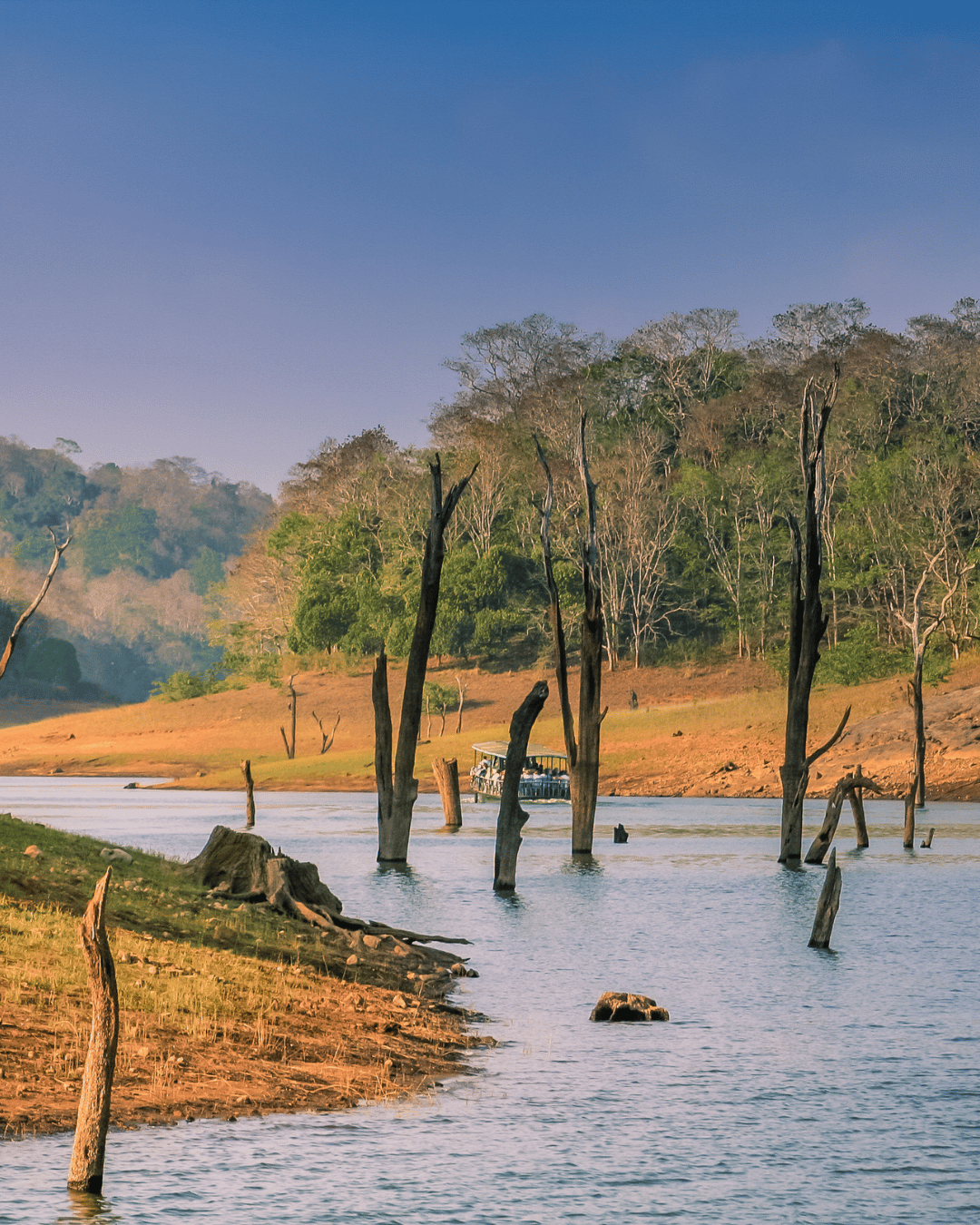
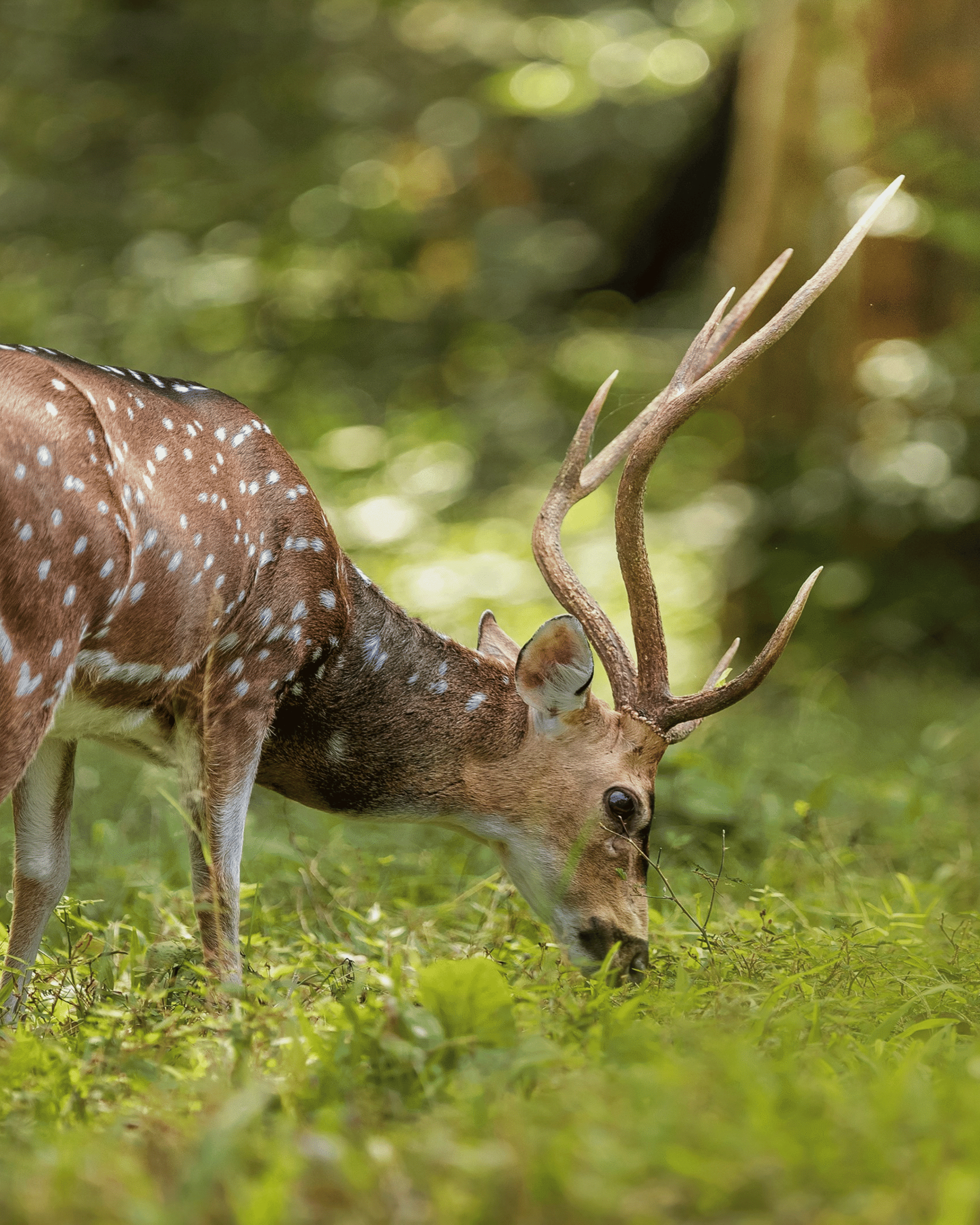
Wildlife safaris: Parks such as Periyar and Wayanad offer good sightings from December through May, with the drier, hotter months of March to May often bringing animals closer to dwindling water sources.
Beach travel: Goa and Kerala’s coastline are at their best from November to March, when calm seas and dry weather suit swimming and relaxing by the water, whilst the monsoon brings rough surf and heavy rains unsuitable for beach holidays.
Regional variation: The southern tip of India, including Tamil Nadu, experiences a second monsoon (the northeast monsoon) from October to December, meaning weather patterns don’t move in lockstep across the region.