Stay in Characterful Luxury
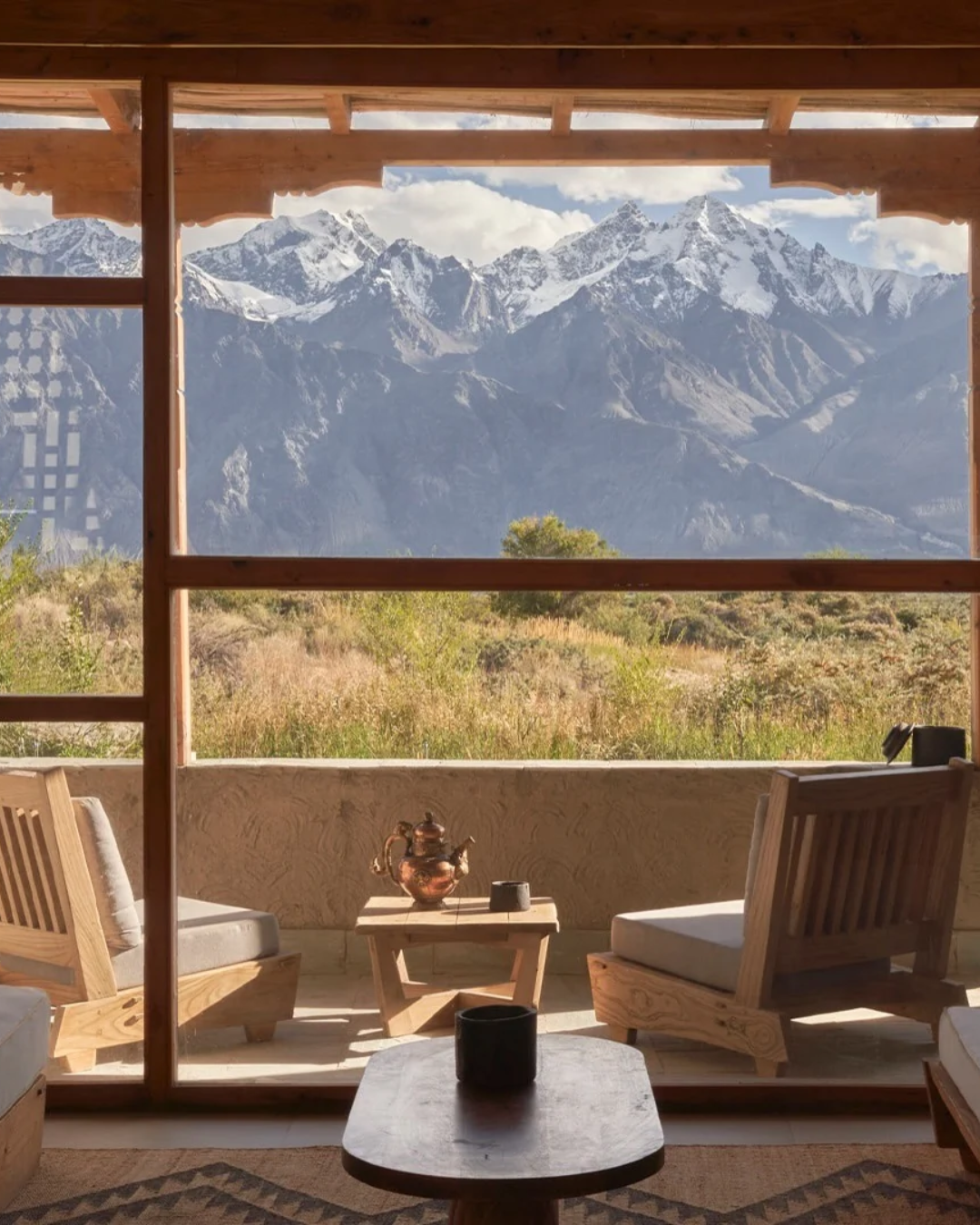
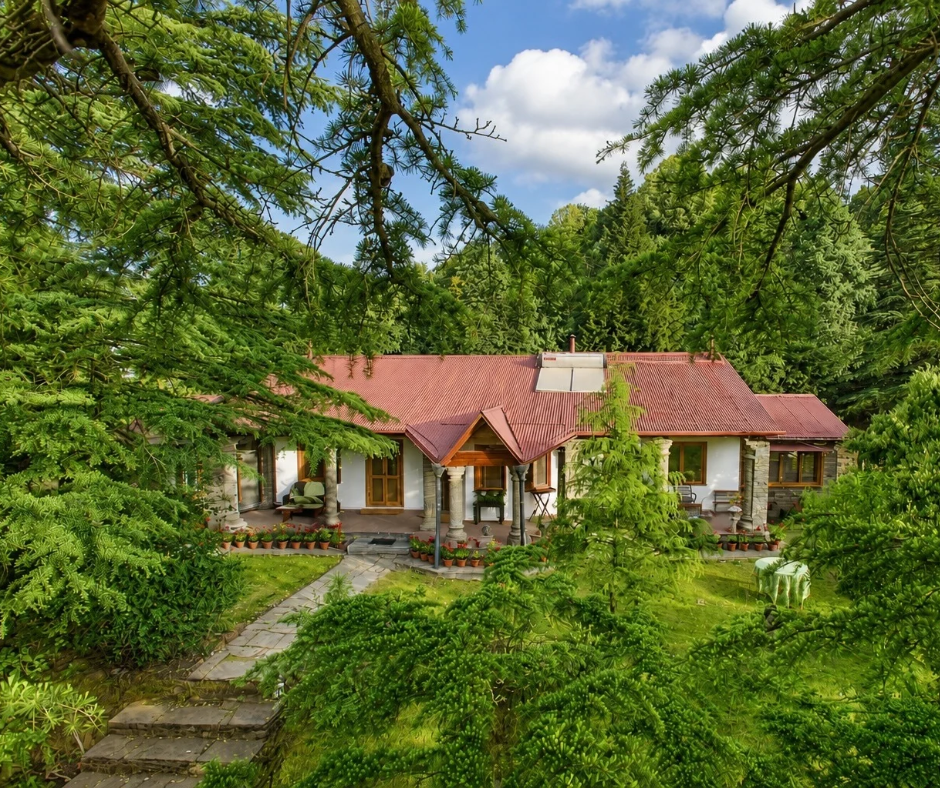
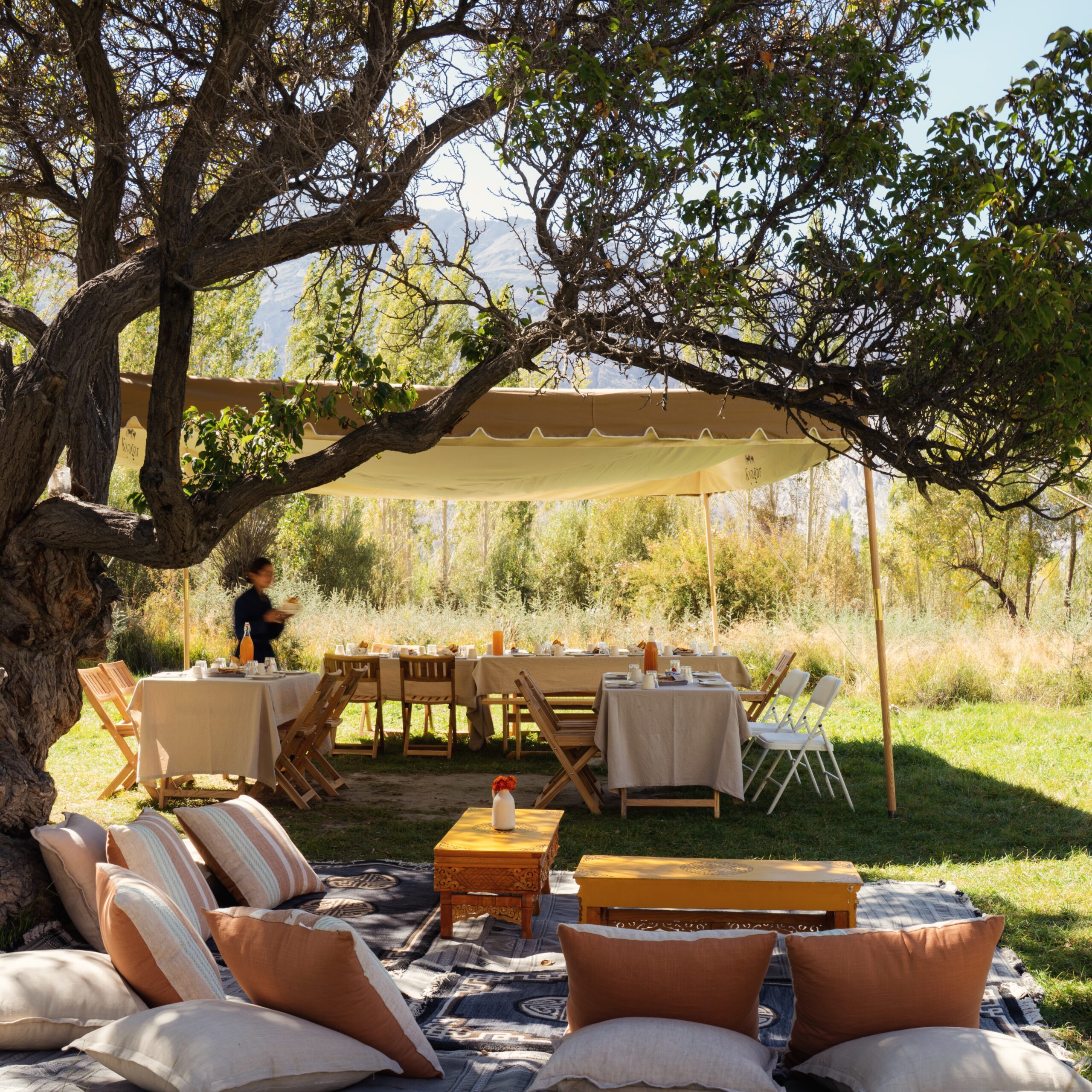
Where you stay is as much a part of the journey as where you go. Across Ladakh and the wider Himalayas, accommodation ranges from luxury mountain lodges and boutique hotels to luxury camps, eco-conscious properties, heritage stays and high-altitude lodges near ancient monasteries — each chosen for the way it meets this remote, dramatic landscape on its own terms.
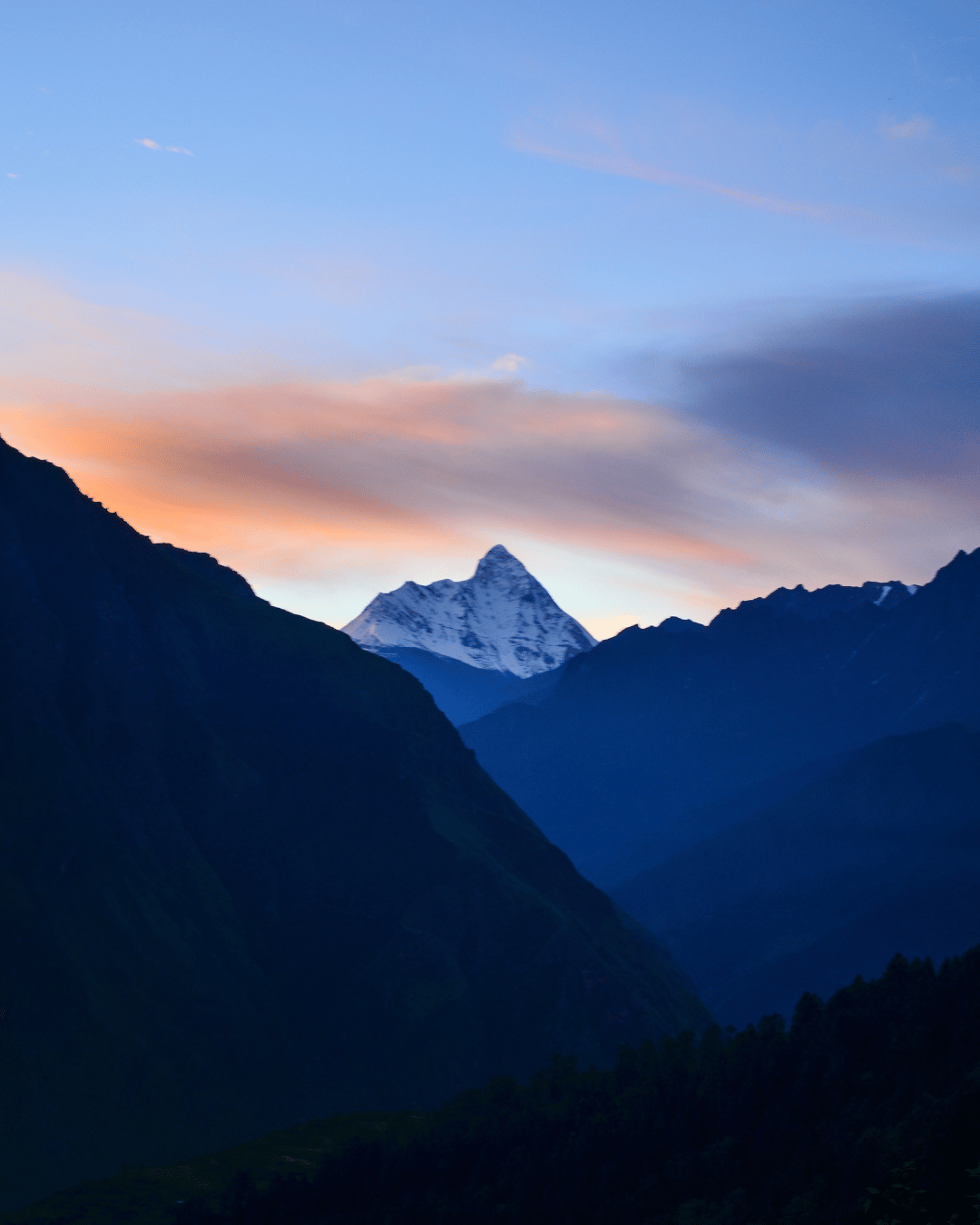
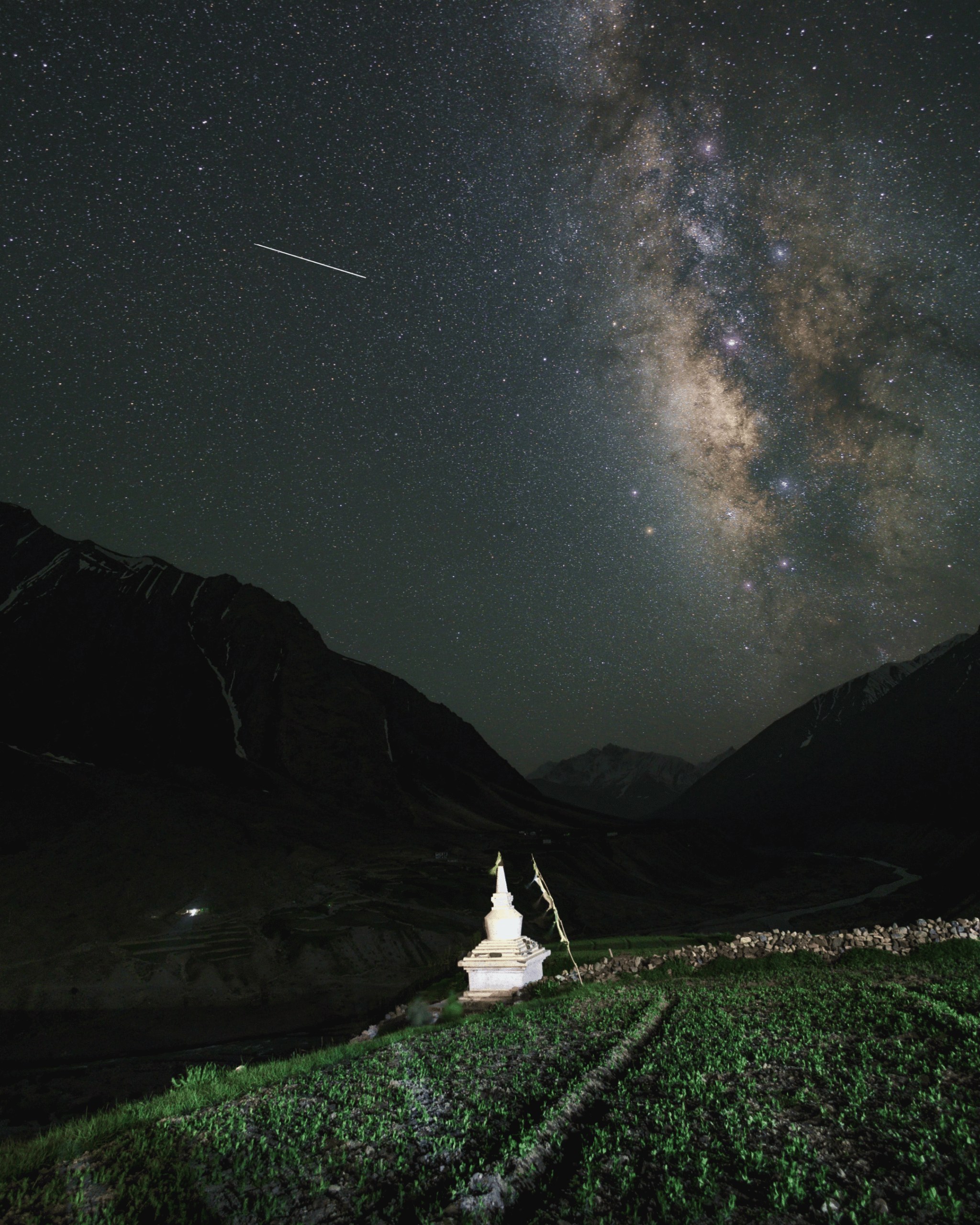
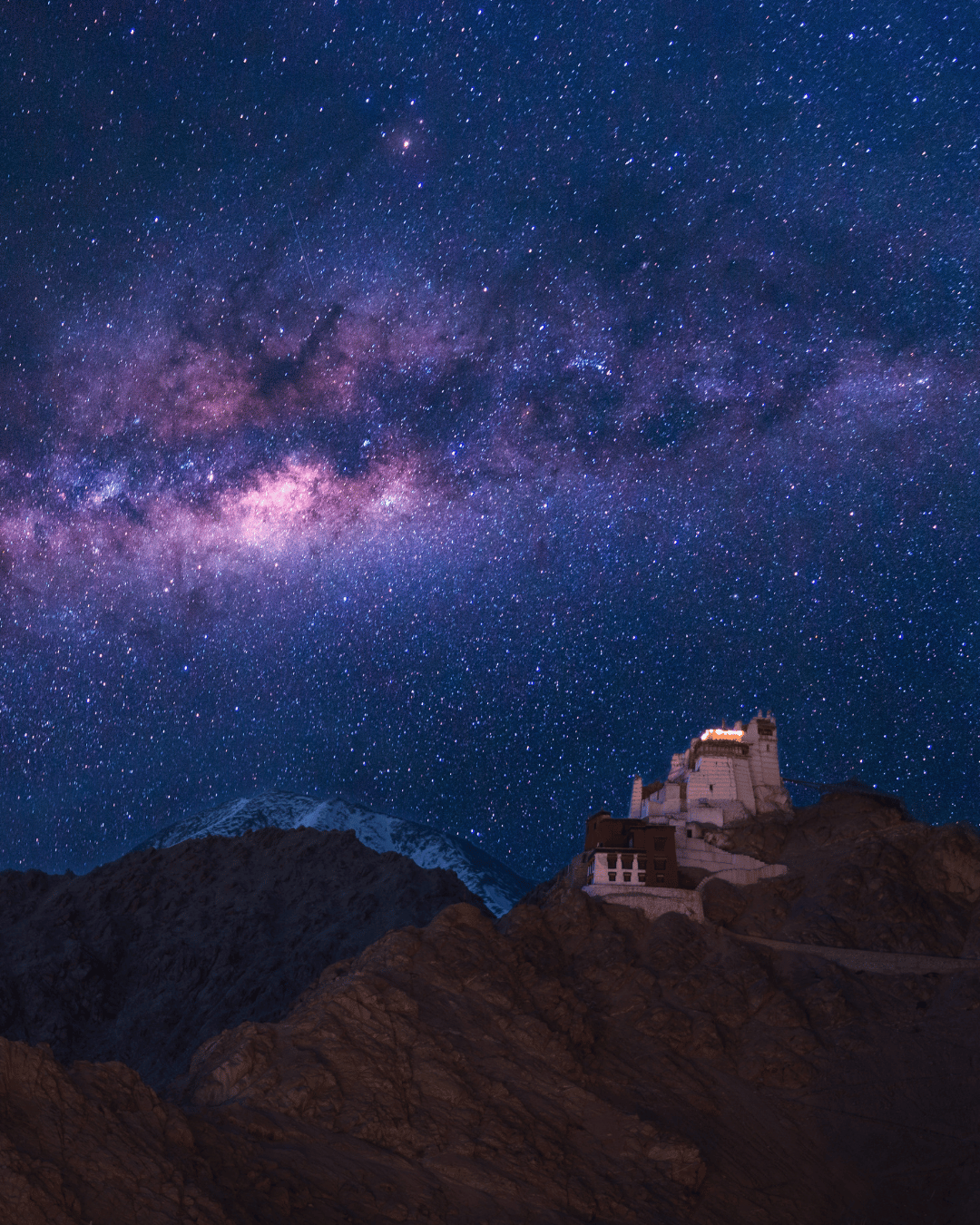
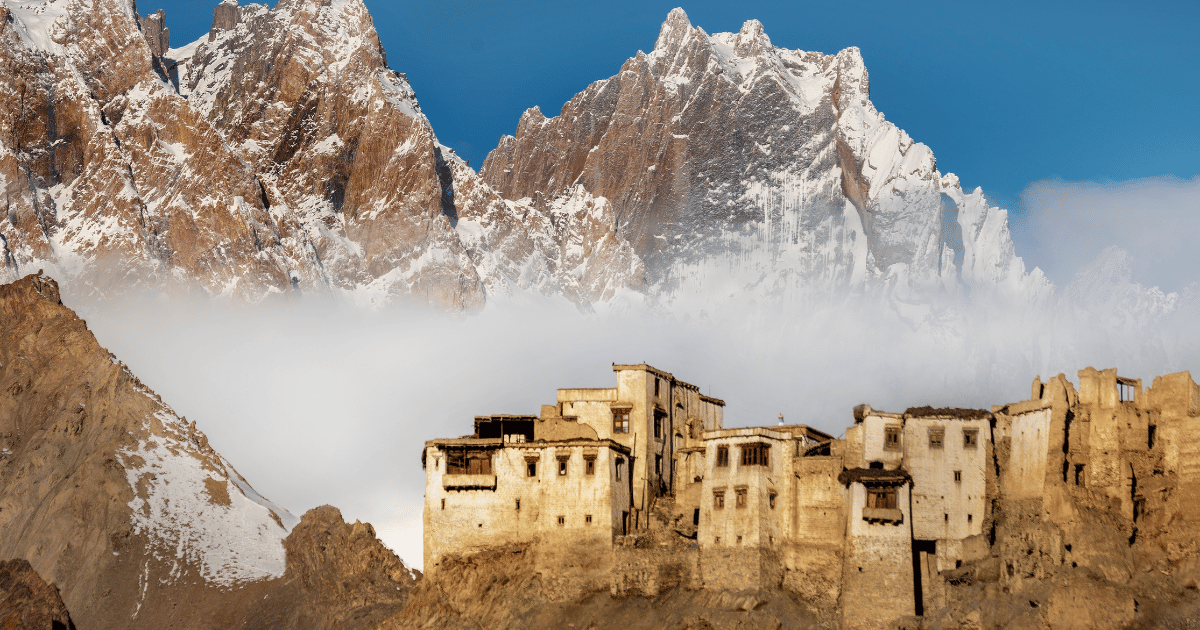
In the mountains, luxury means something different to elsewhere: it lies less in five-star facilities and more in location, exclusivity and the quality of welcome found so far from the ordinary. A lodge positioned to catch the first light on snow-capped peaks, a luxury camp beneath a sky thick with stars, or a heritage stay built in traditional Ladakhi style, close to a centuries-old monastery — each offers a different way of experiencing altitude, culture and landscape from a comfortable, well-chosen base.
Rather than booking a hotel to fit an itinerary, we select each stay according to the route, altitude, season and your preferred level of comfort — a distinctive local stay in a Himalayan village, an eco-conscious lodge built with respect for its surroundings, or a boutique property offering warmth and refuge after a day at altitude — so where you sleep becomes part of the story of your journey, not simply a place to rest.
Every property is chosen with care, ensuring your journey through the Himalayas remains as comfortable as it is memorable, whatever the demands of altitude and terrain.
When to Travel to Ladakh and the Himalayas
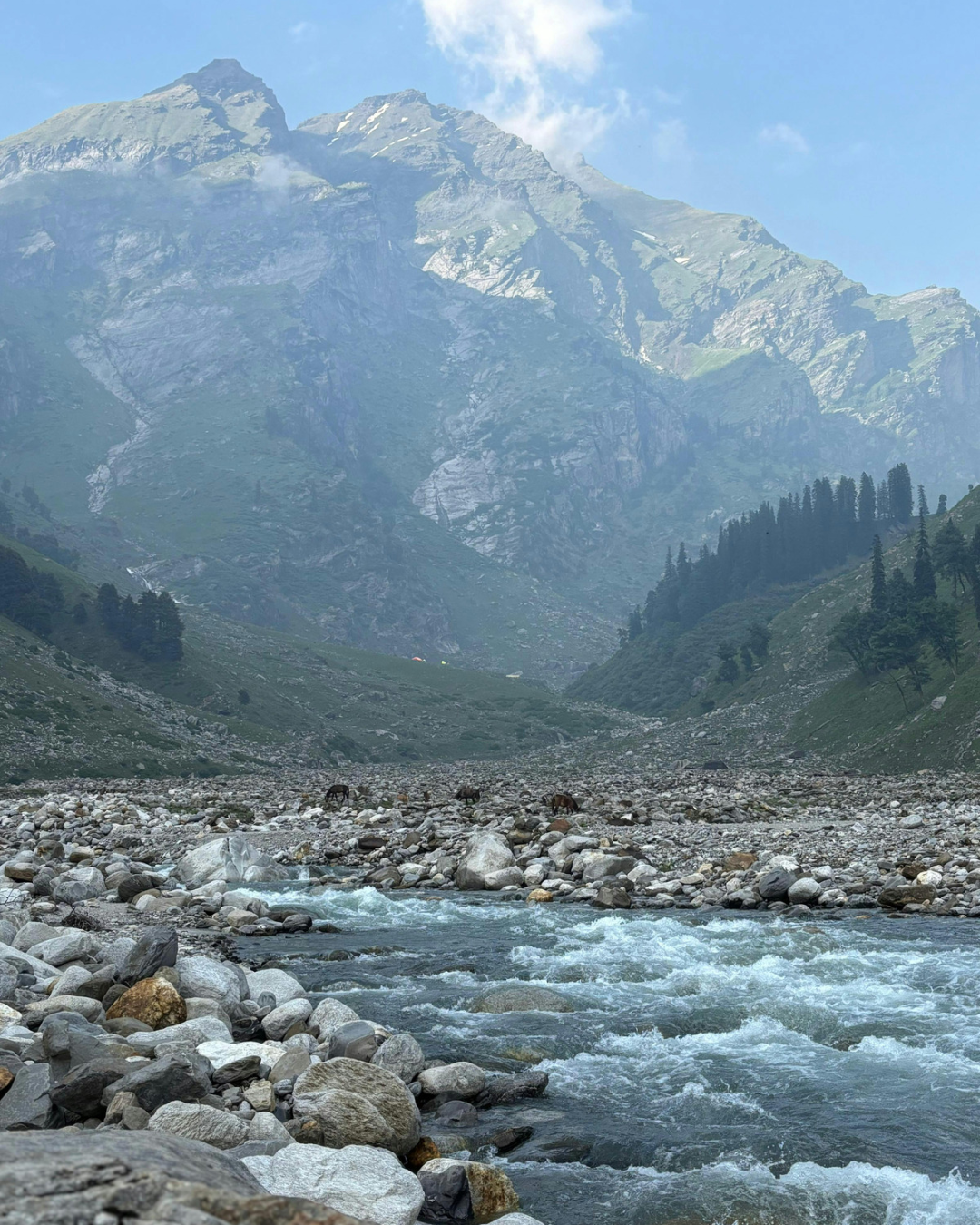
The best time to visit varies significantly depending on where in the Himalayas you’re travelling. Ladakh is only accessible by road between roughly May and September, once winter snow clears the high passes; outside this brief summer window, the region is cut off, though a few specialist winter trips do run for the truly adventurous, coinciding with the best chance of spotting snow leopards between December and March. Trekking across Ladakh is best from June to September, when trails and passes are clear.
Kashmir has its own distinct season too, at its best from April to October when Srinagar’s gardens are in bloom and houseboat stays on Dal Lake are most comfortable; Gulmarg, by contrast, comes into its own in winter, when snow transforms it into one of India’s few genuine ski destinations.
Himachal Pradesh and Uttarakhand follow a different pattern, with year-round accessibility but distinct seasons: spring and autumn (March–June and September–November) offer the clearest mountain views and best trekking conditions, while the monsoon (July–August) brings heavy rain and landslide risk to lower-altitude areas, making it worth avoiding for both trekking and village walks. Winter brings snow to the higher villages and hill stations, appealing for a different kind of Himalayan trip, from snow-covered monasteries to quieter, off-season travel.
Because conditions vary so much by region, the right time for your Himalayan trip depends entirely on which destinations and experiences you want to prioritise — something we help plan for personally at Enriching Journeys.
Travel to Ladakh and the Himalaya with Experts
Your Ladakh tour shouldn’t follow a standard itinerary — we will design your journey around what interests you most. At Enriching Journeys, we personalise your route, duration, accommodation and pace, along with trekking levels, cultural experiences and time with expert local guides, so your journey through Ladakh and the wider Himalaya is entirely personalised around what you’re looking for.