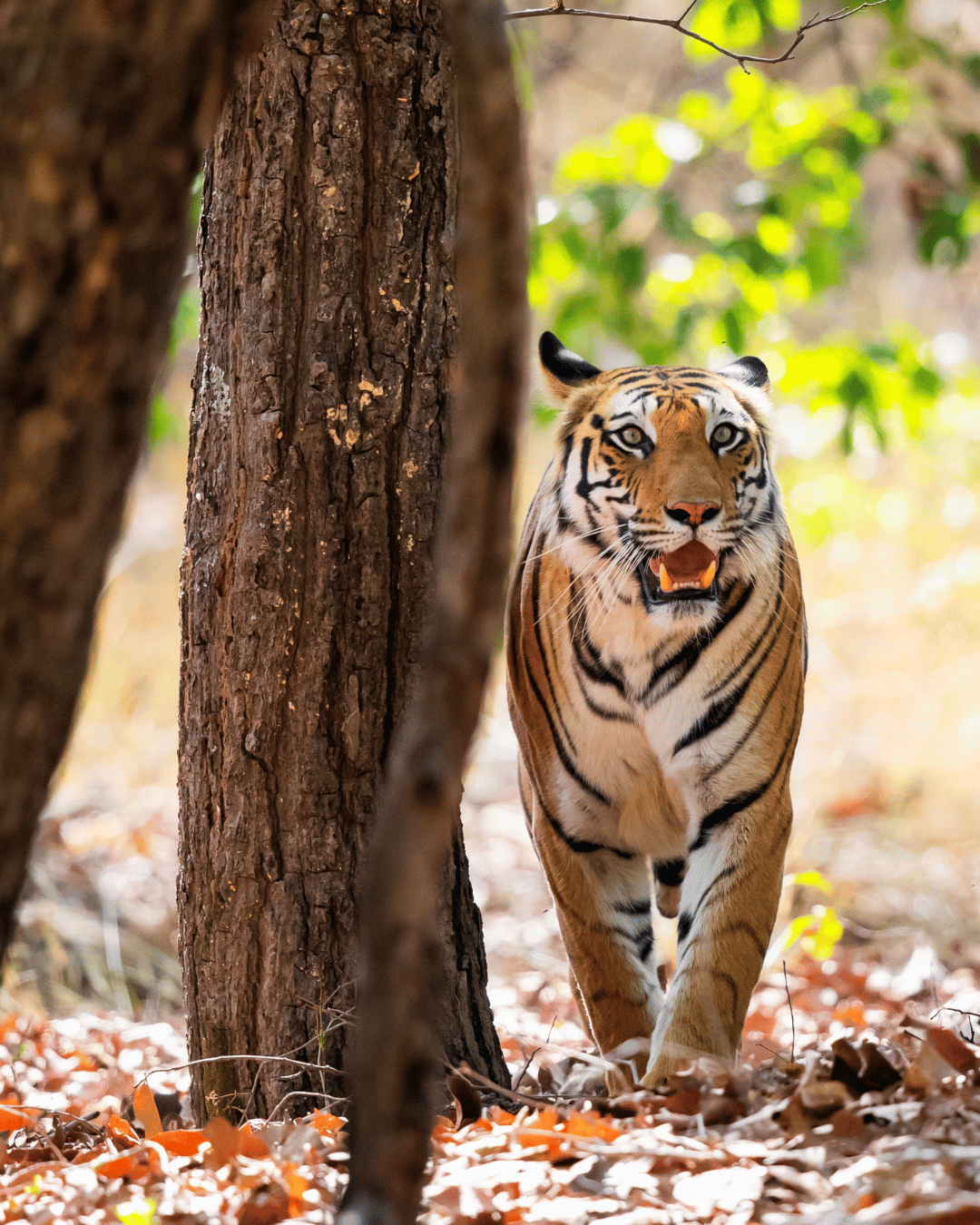
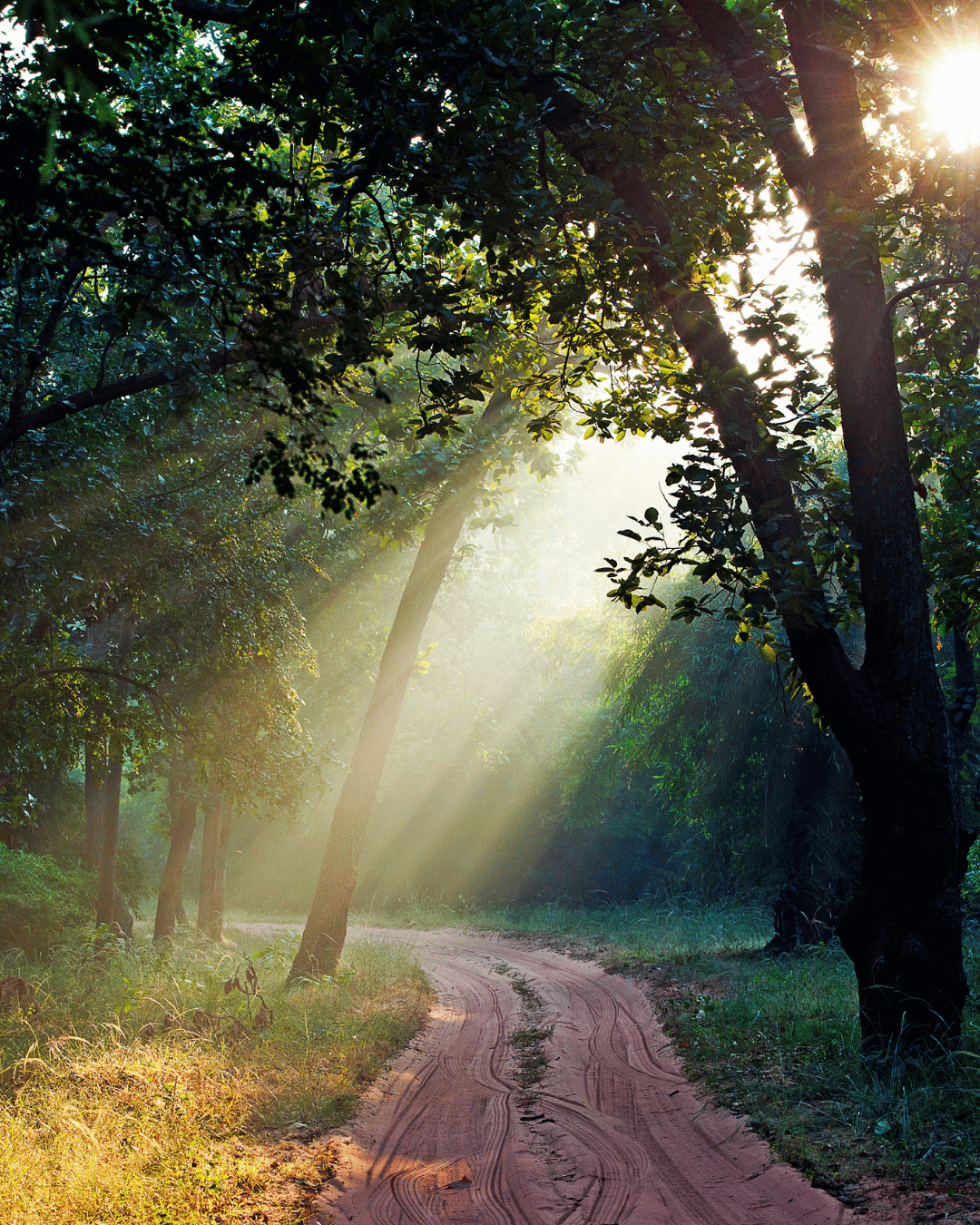
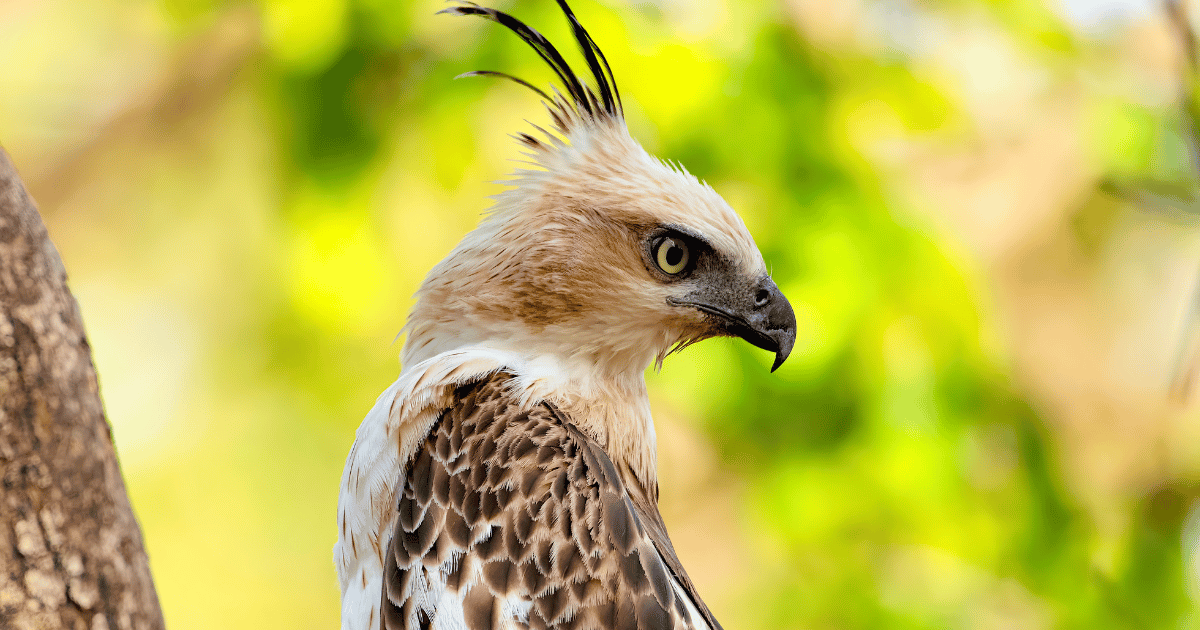
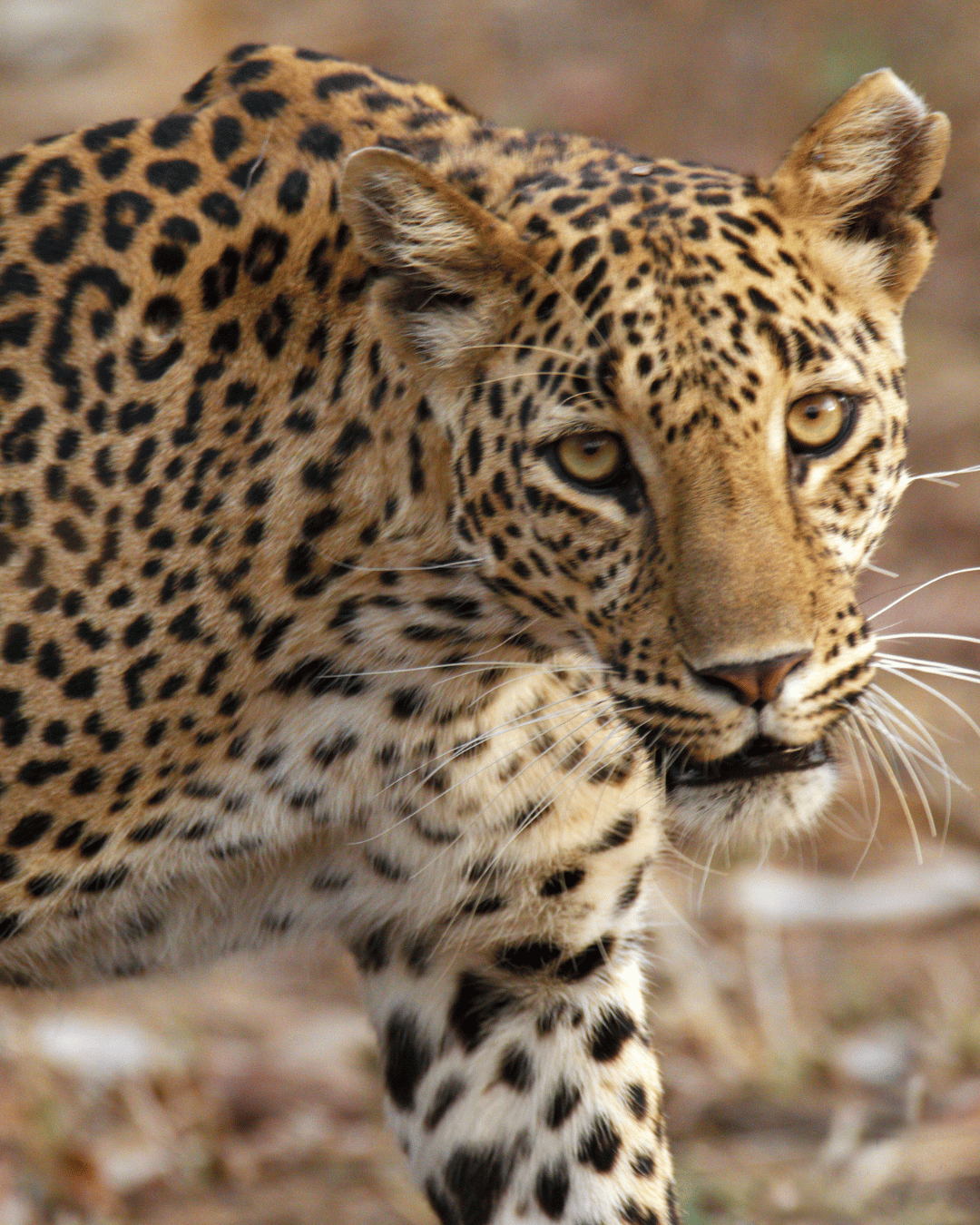
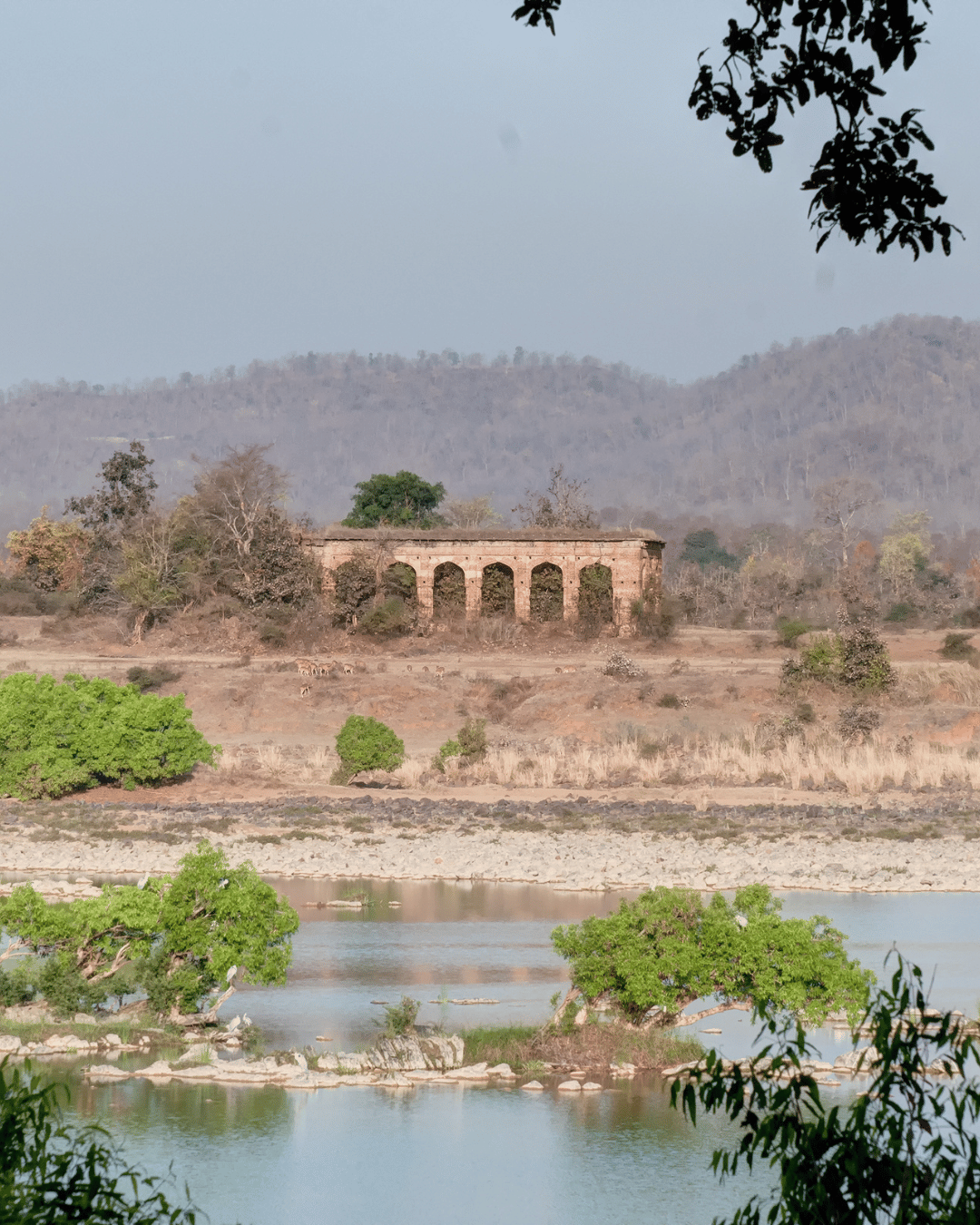
tigers of central india
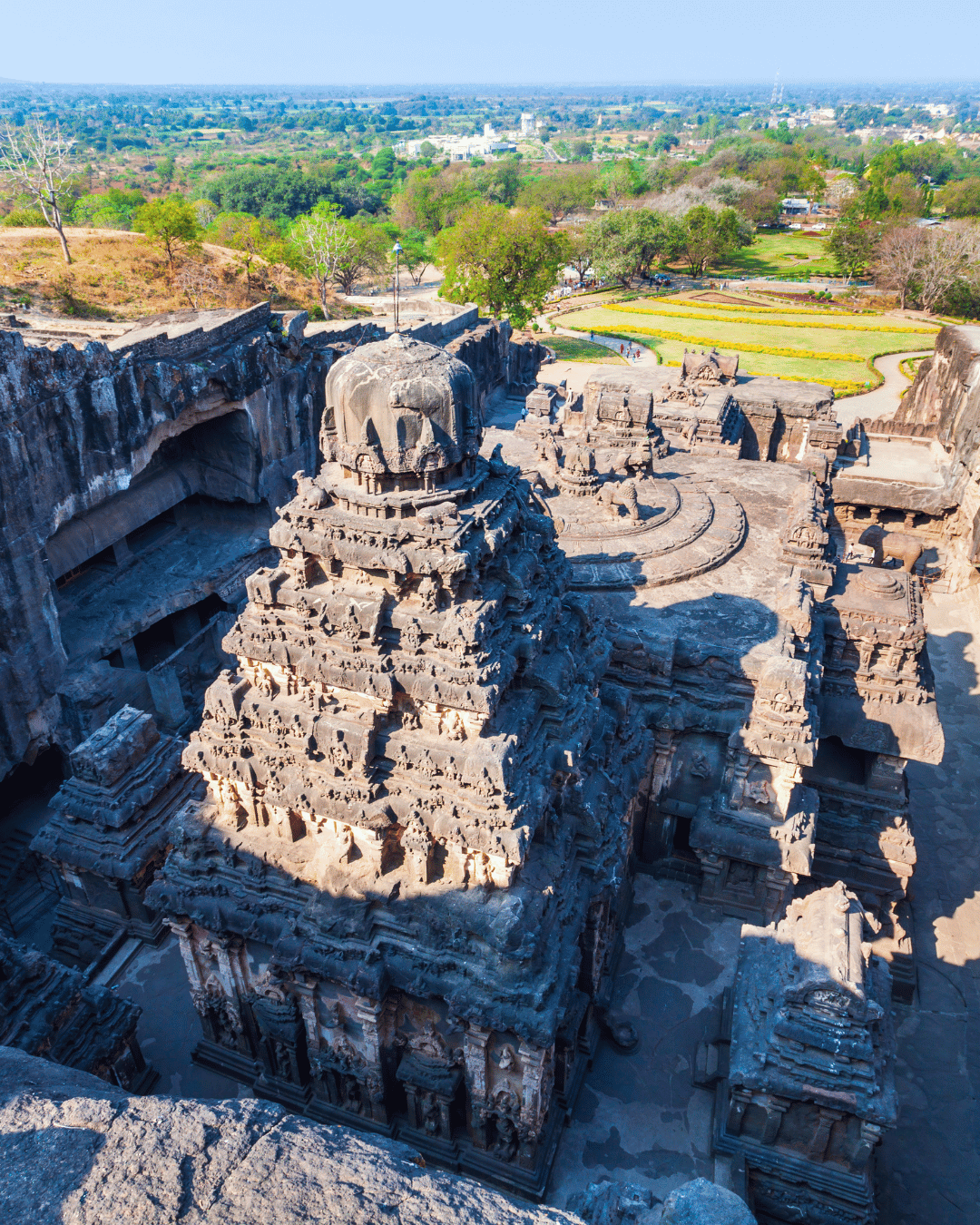
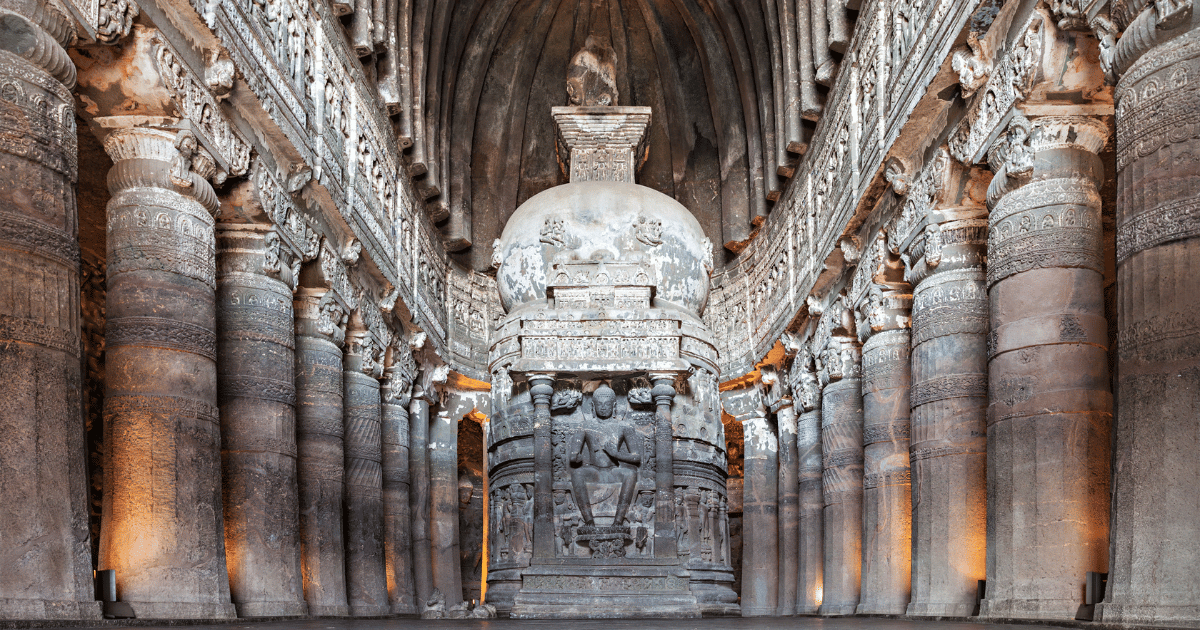
ellora and ajanta caves of Central India
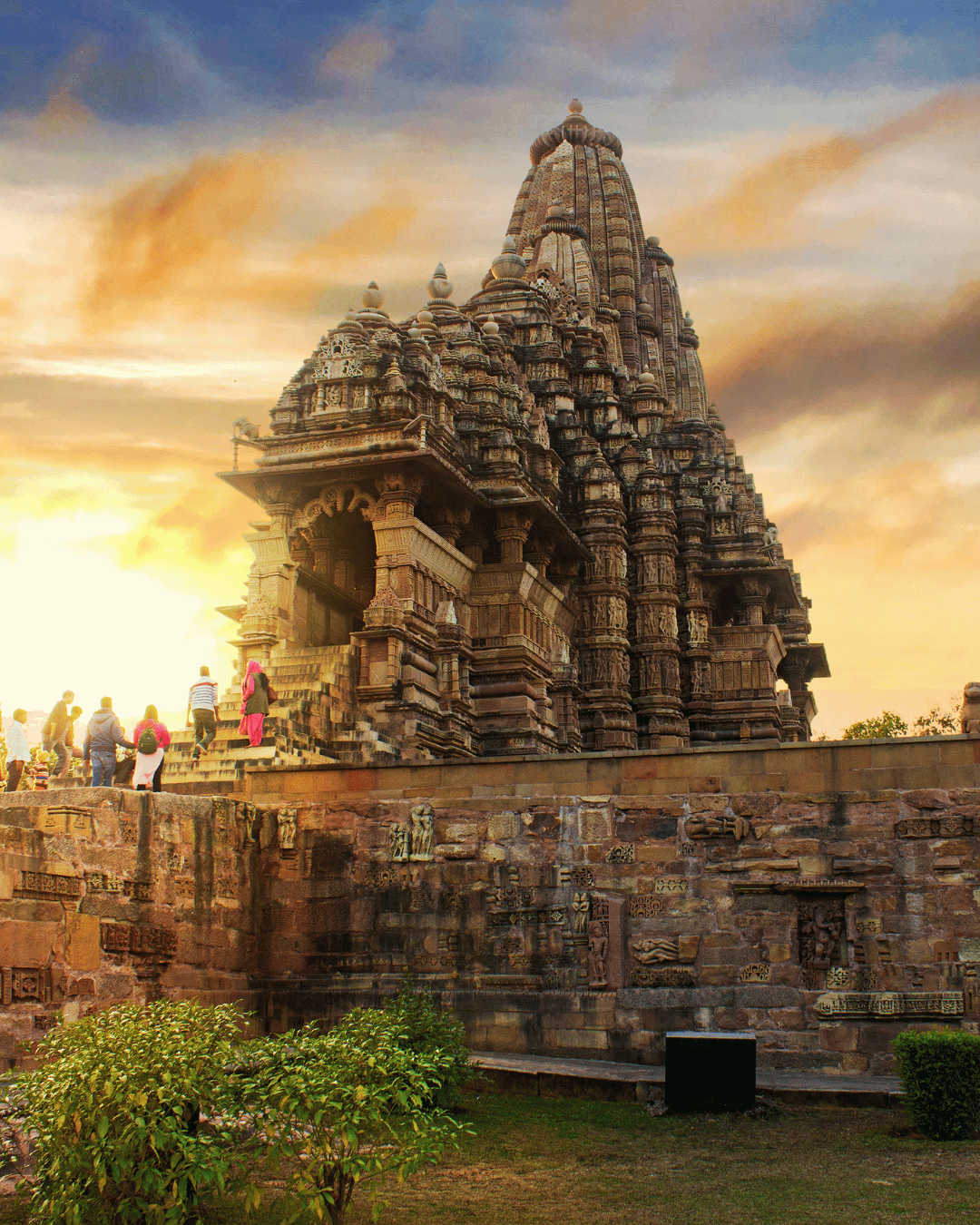
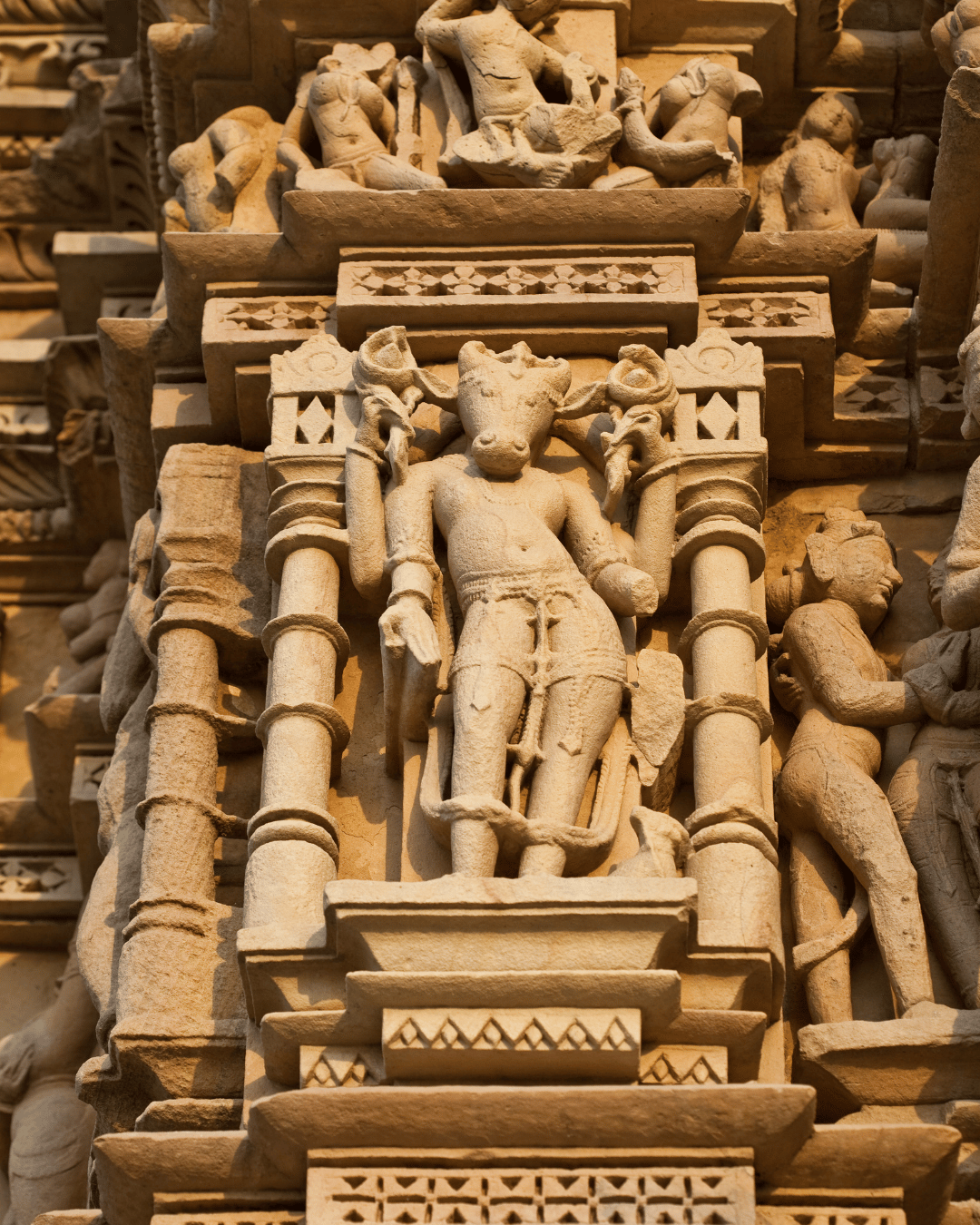
khajuraho temples- Central India
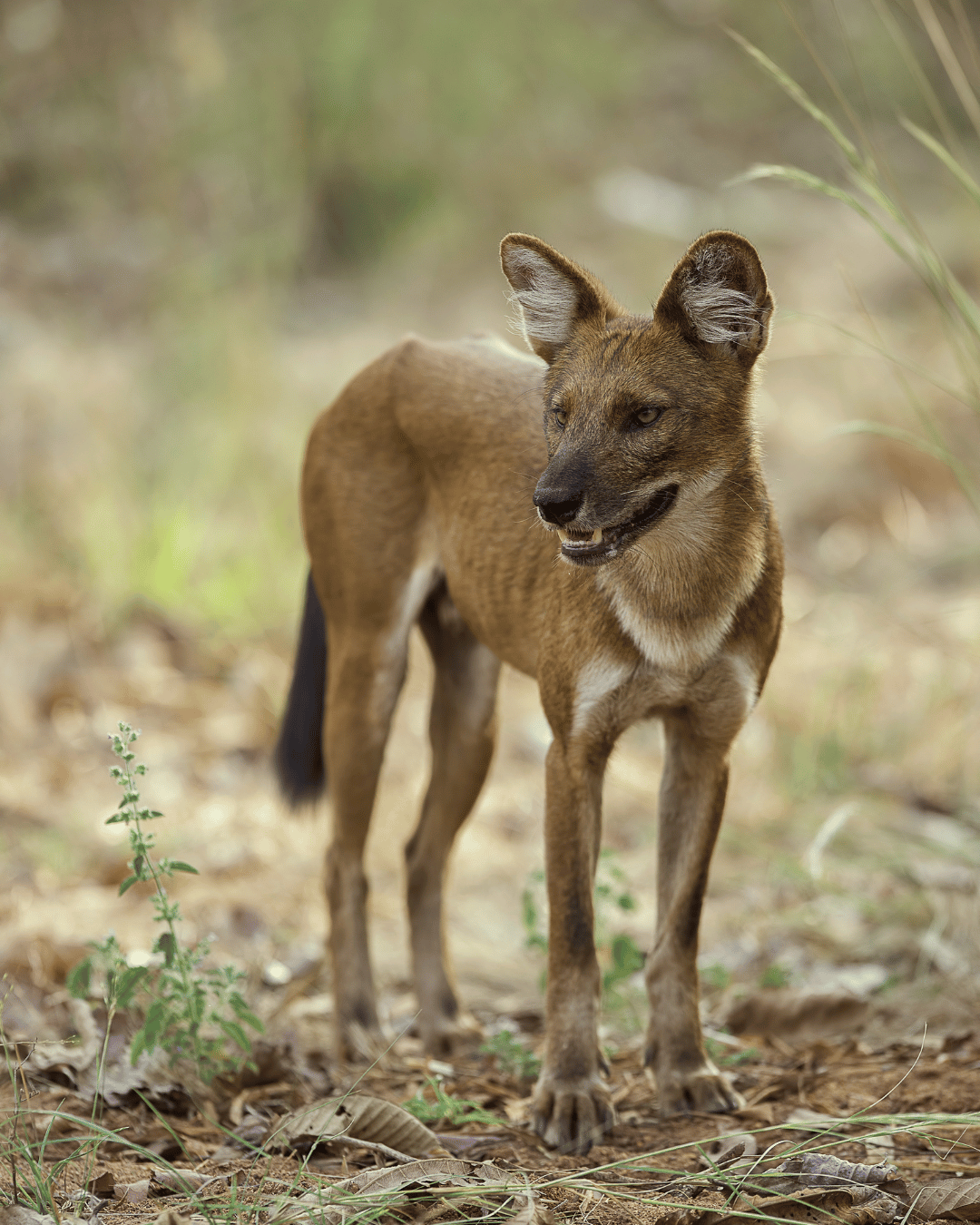
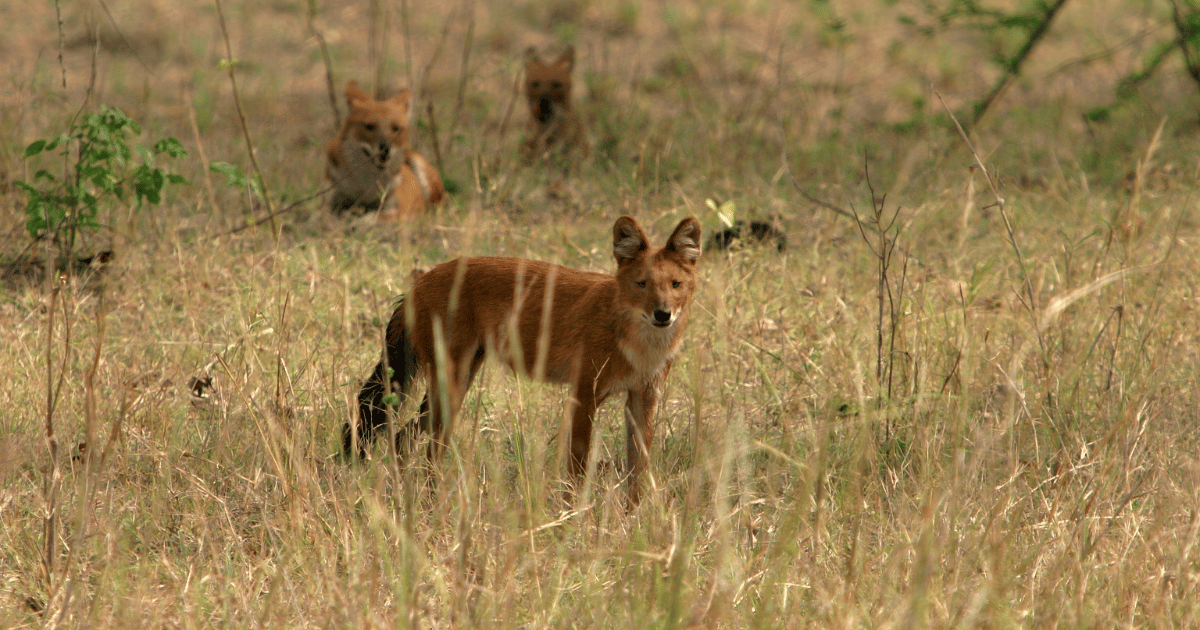
dhole of pench national park- Central India
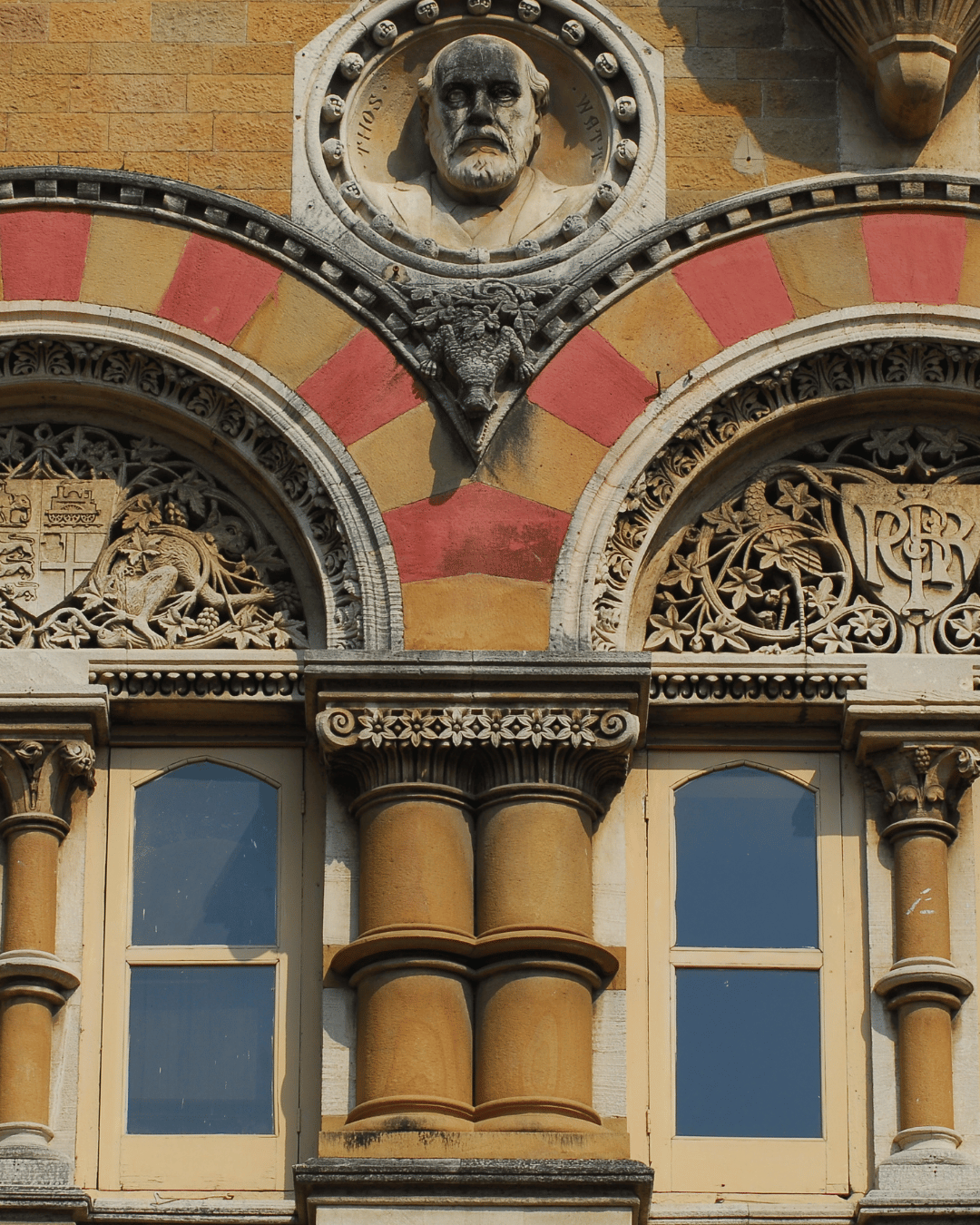
Railway Station of Mumbai

Central India

Central India Tours & Tailor-Made Holidays

Central India remains one of the country’s most rewarding yet lesser-visited regions, combining exceptional wildlife and India’s finest tiger reserves with ancient heritage, intricately carved temples, UNESCO-listed caves and rich tribal culture. From Madhya Pradesh’s forests to the cosmopolitan buzz of Mumbai, India’s maximum city, Central India tours offer a side of the country still largely undiscovered by mainstream Central India travel.

Discover the Wild & Cultural Heart of Central India

Central India is not a stopover between the Golden Triangle and the South — it’s a destination in its own right, and one of the country’s most rewarding for travellers willing to venture beyond the well-trodden route. This is tiger country at its finest, with a concentration of national parks unmatched almost anywhere in Asia, set alongside ancient temples, Buddhist heritage sites and some of the world’s oldest rock art.

Beyond its wildlife and monuments, Central India reveals itself most vividly through its people and landscapes — tribal communities whose traditions remain little touched by modern life, rural villages set among forests and river valleys, and a local culture rarely found on a standard India itinerary. For travellers genuinely curious about Central India tourism, this is where the region’s real depth lies, offering an experience as culturally rich as it is wild.

Wildlife & Tiger Safaris in Central India

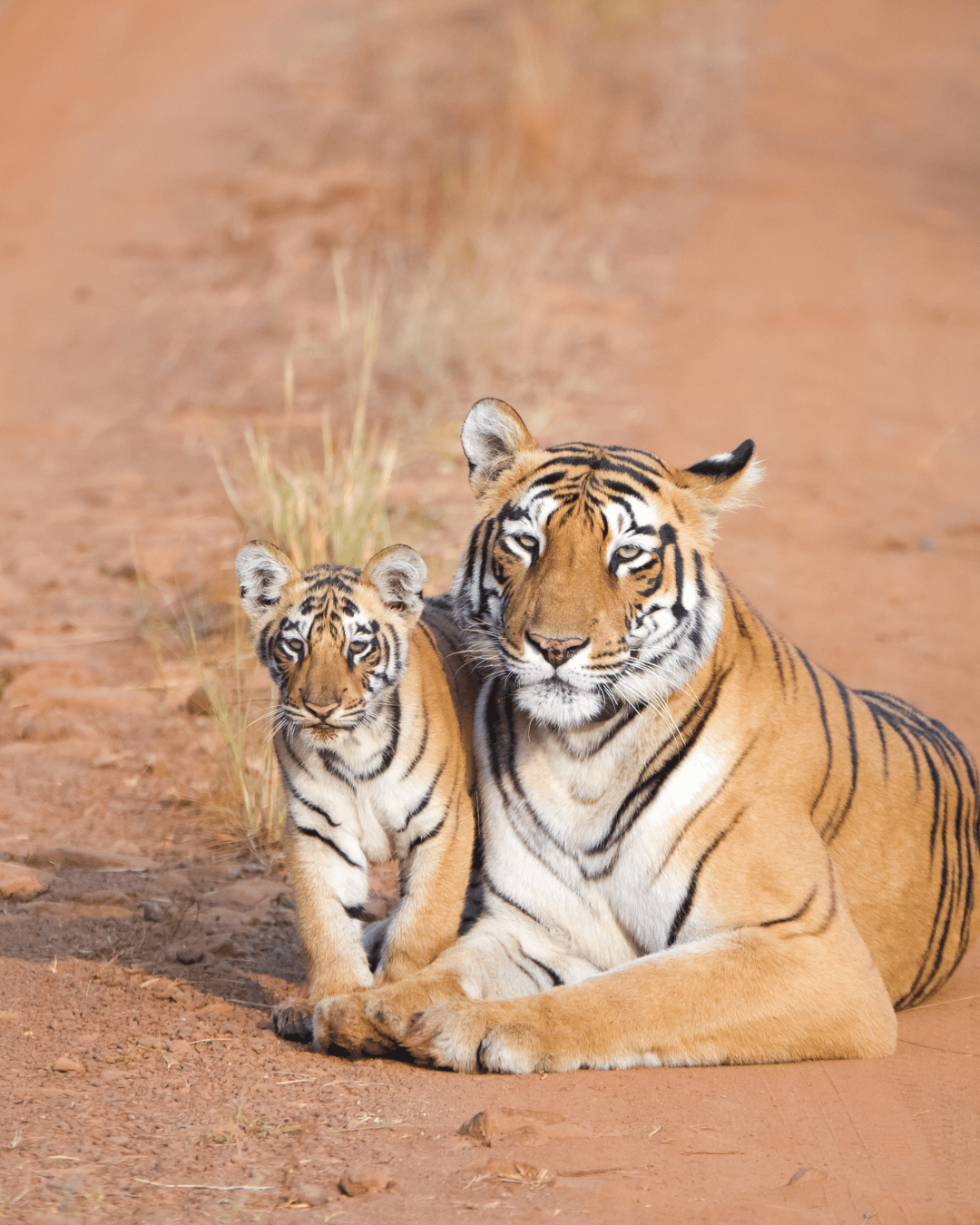
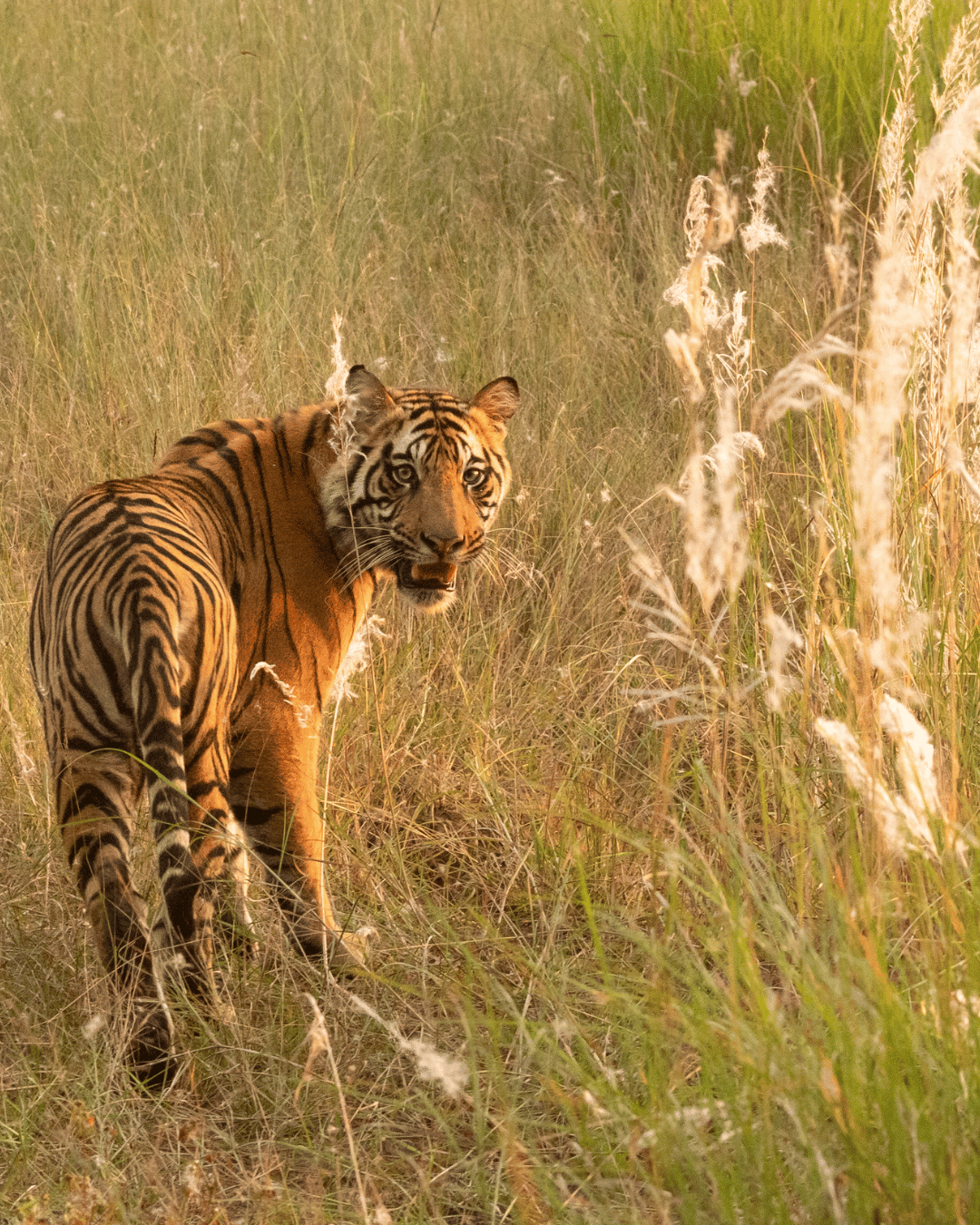
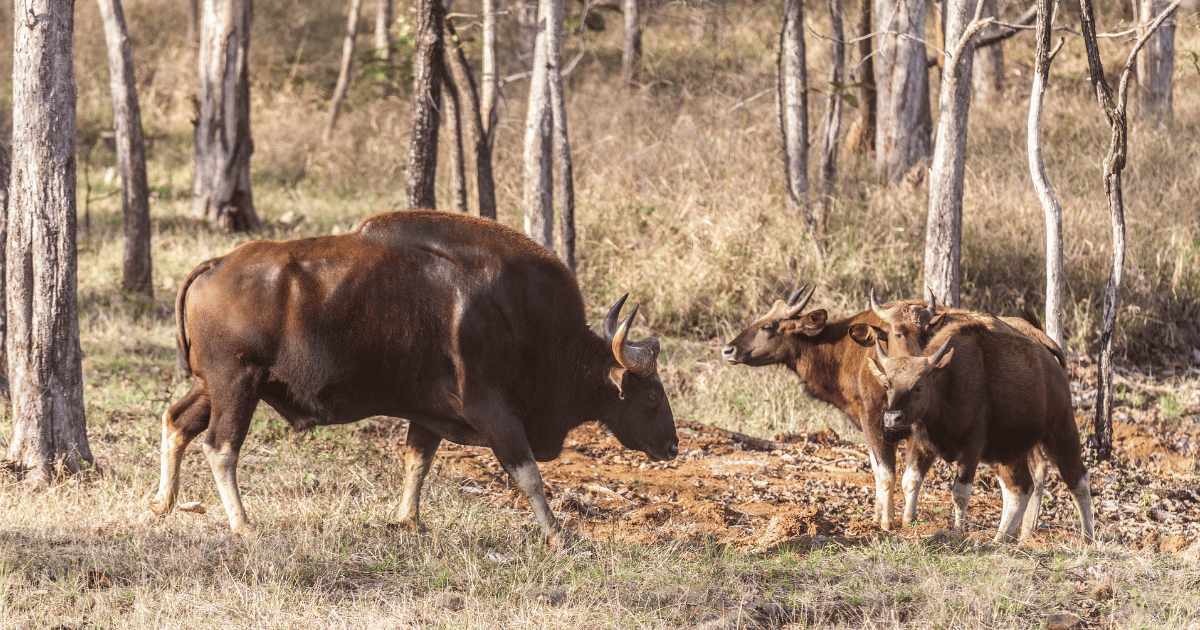
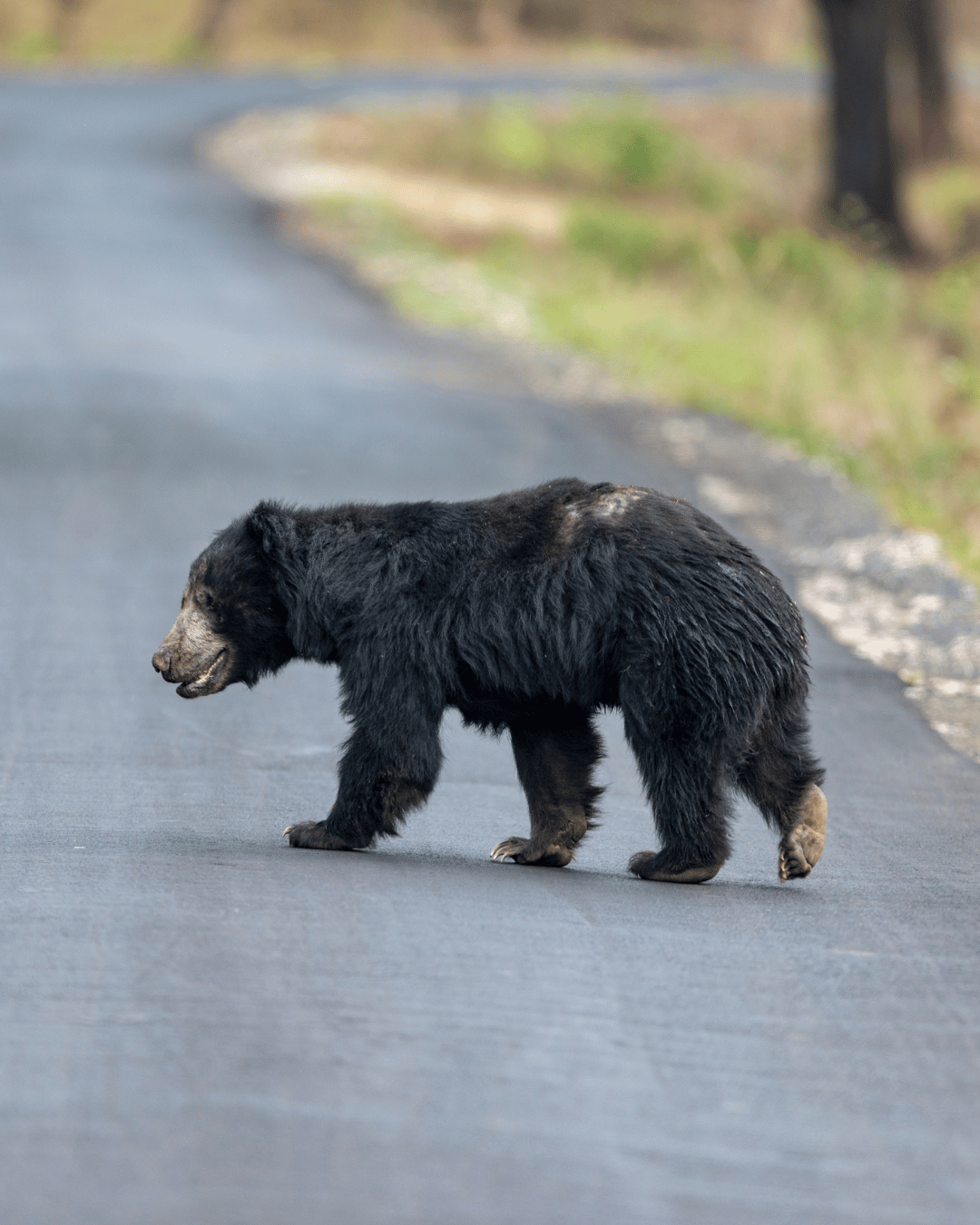
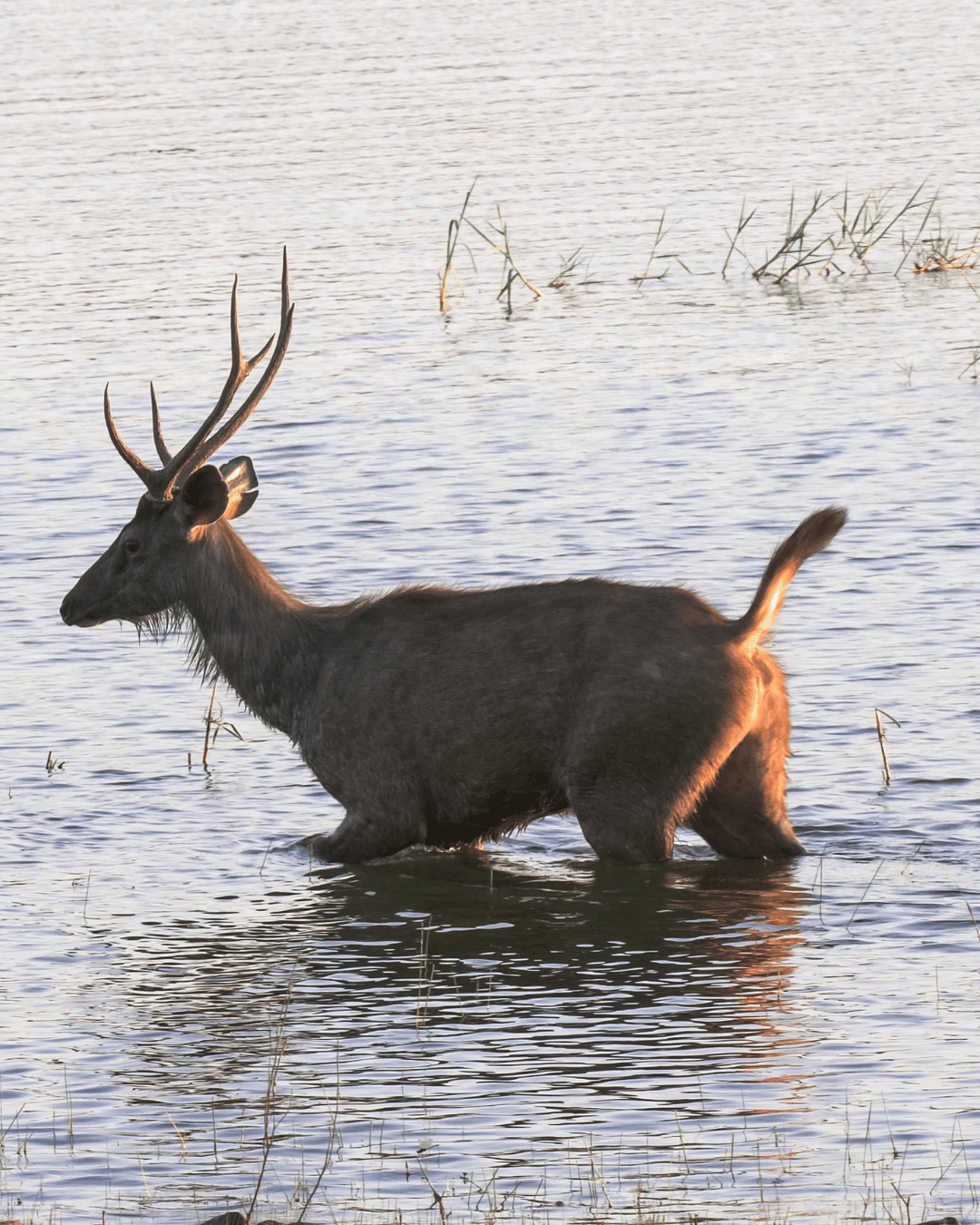
Few regions in Asia offer the concentration and diversity of wildlife found across Central India, making it one of the country’s most rewarding destinations for wildlife tours. Each reserve offers its own distinct landscape and character, so the experience varies considerably depending on where you go — sightings of tigers, leopards, sloth bears and wild dogs are never guaranteed, but each park offers genuinely different wildlife and scenery.

Kanha National Park

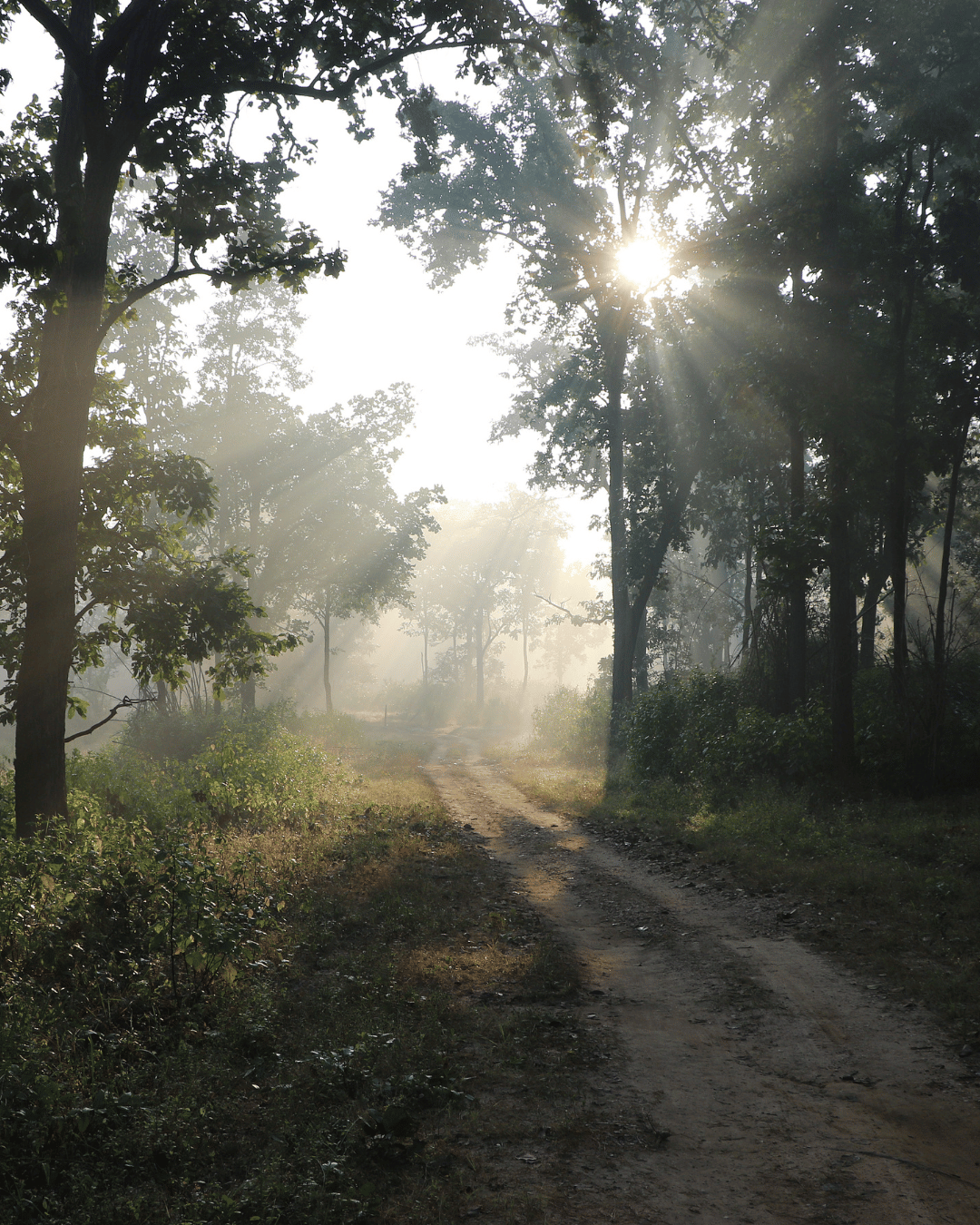
Sal forests and open meadows make Kanha one of Central India’s most scenic reserves, home to Bengal tigers, barasingha deer and rich birdlife, with naturalist-led safaris offering real insight into the park’s ecology.

Bandhavgarh National Park

Famed for its high density of tigers, Bandhavgarh pairs wildlife safaris with a dramatic landscape of ancient forts and rocky outcrops, making it one of the most photogenic parks in the region.

Pench National Park

With mixed forest and grassland terrain, Pench offers strong chances to spot leopards, wild dogs and sloth bears alongside its resident tiger population, in a quieter setting than some of its neighbours.

Panna National Park

Set along the Ken River’s dramatic gorges, Panna is known as one of India’s great tiger conservation success stories, having rebuilt its population from near local extinction. Boat safaris along the river add a different perspective, alongside sightings of vultures, crocodiles and other riverine wildlife.

Satpura National Park

Less visited than the other reserves, Satpura stands out for walking and canoe safaris alongside traditional jeep drives, with a particularly strong population of leopards and sloth bears in a landscape of dense forest and hills.

Tadoba National Park

Maharashtra’s largest and oldest national park, Tadoba is known for one of Central India’s highest tiger densities, set within dry deciduous forest and grassland. It’s an excellent addition for travellers combining Madhya Pradesh’s parks with time in Maharashtra.

Culture & Heritage Beyond the Tiger Reserves

Central India’s appeal extends well beyond its wildlife, combining tiger safaris with some of the country’s richest cultural heritage. Ancient Buddhist heritage survives at Sanchi’s Great Stupa, while Khajuraho’s carved Hindu temples and Bhimbetka’s prehistoric rock art reveal a much older side of the region’s history. Orchha’s riverside cenotaphs, Gwalior’s hilltop fort, and the UNESCO-listed caves of Ajanta and Ellora add further depth for travellers combining wildlife with cultural exploration.

Sanchi

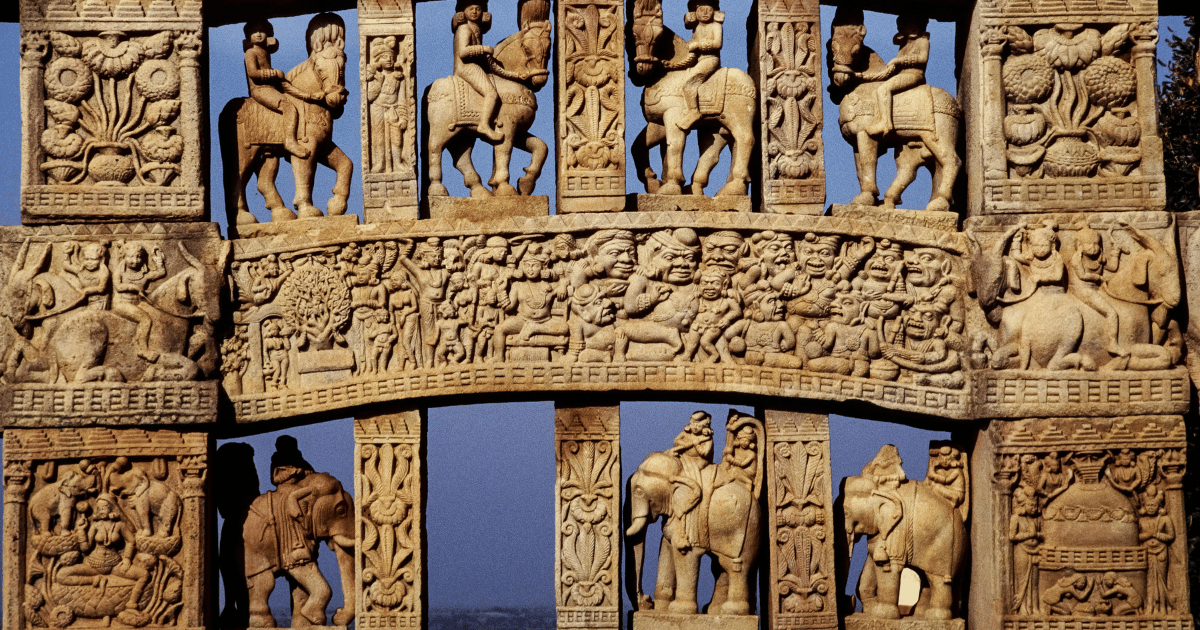
Home to the Great Stupa, one of the oldest surviving Buddhist monuments in the world, Sanchi holds enormous historical importance as a centre of early Buddhist art. Its intricately carved gateways, depicting scenes from the life of Buddha, make it an essential stop for anyone interested in India’s spiritual and architectural heritage.

Khajuraho

Famed for its exquisitely carved Hindu and Jain temples, Khajuraho is one of India’s most celebrated architectural treasures. The Kandariya Mahadeva temple, with its extraordinary sculptural detail, remains the finest example of a UNESCO World Heritage site that draws travellers from around the world for its artistry alone.

Bhimbetka

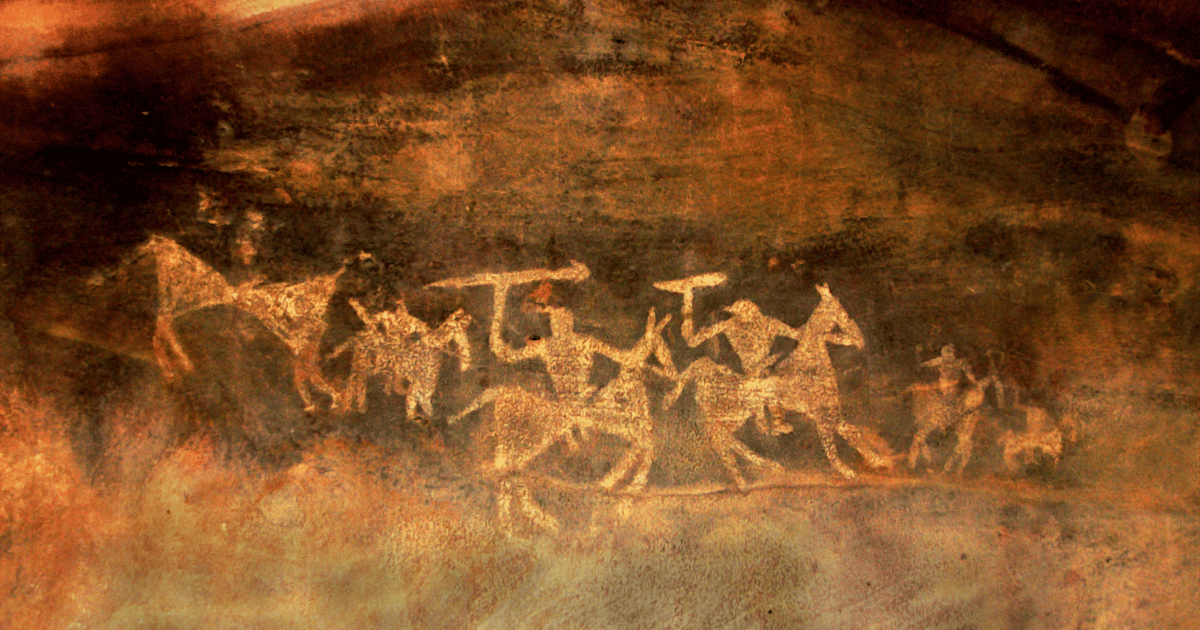
These prehistoric rock shelters hold some of the earliest known rock art in South Asia, with paintings dating back tens of thousands of years. A UNESCO World Heritage Site, Bhimbetka offers a rare and fascinating glimpse into the region’s ancient human history, best explored with a guide who can bring its significance to life.

Orchha

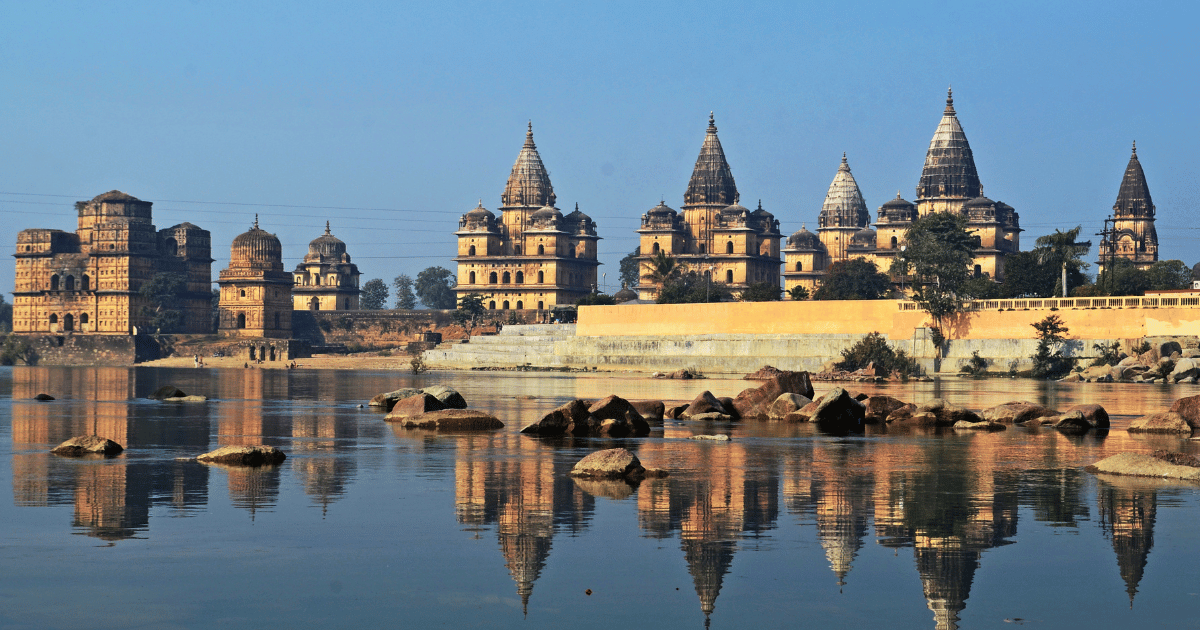
Once the capital of a Rajput kingdom, Orchha is scattered with riverside cenotaphs, palaces and temples set along the Betwa River. Its relatively low profile compared to other heritage sites makes it a rewarding, less-crowded addition to a Central India itinerary.

Gwalior

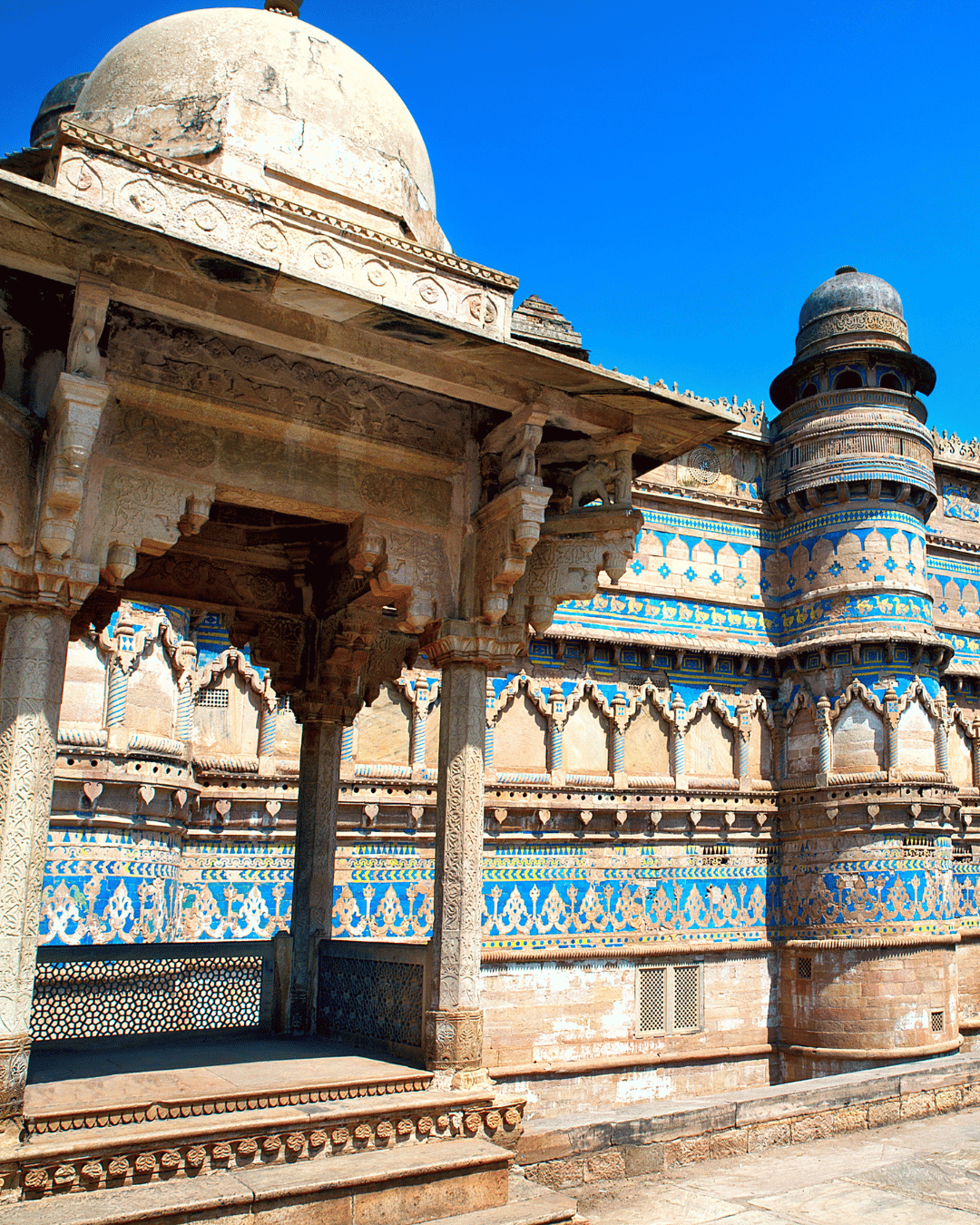
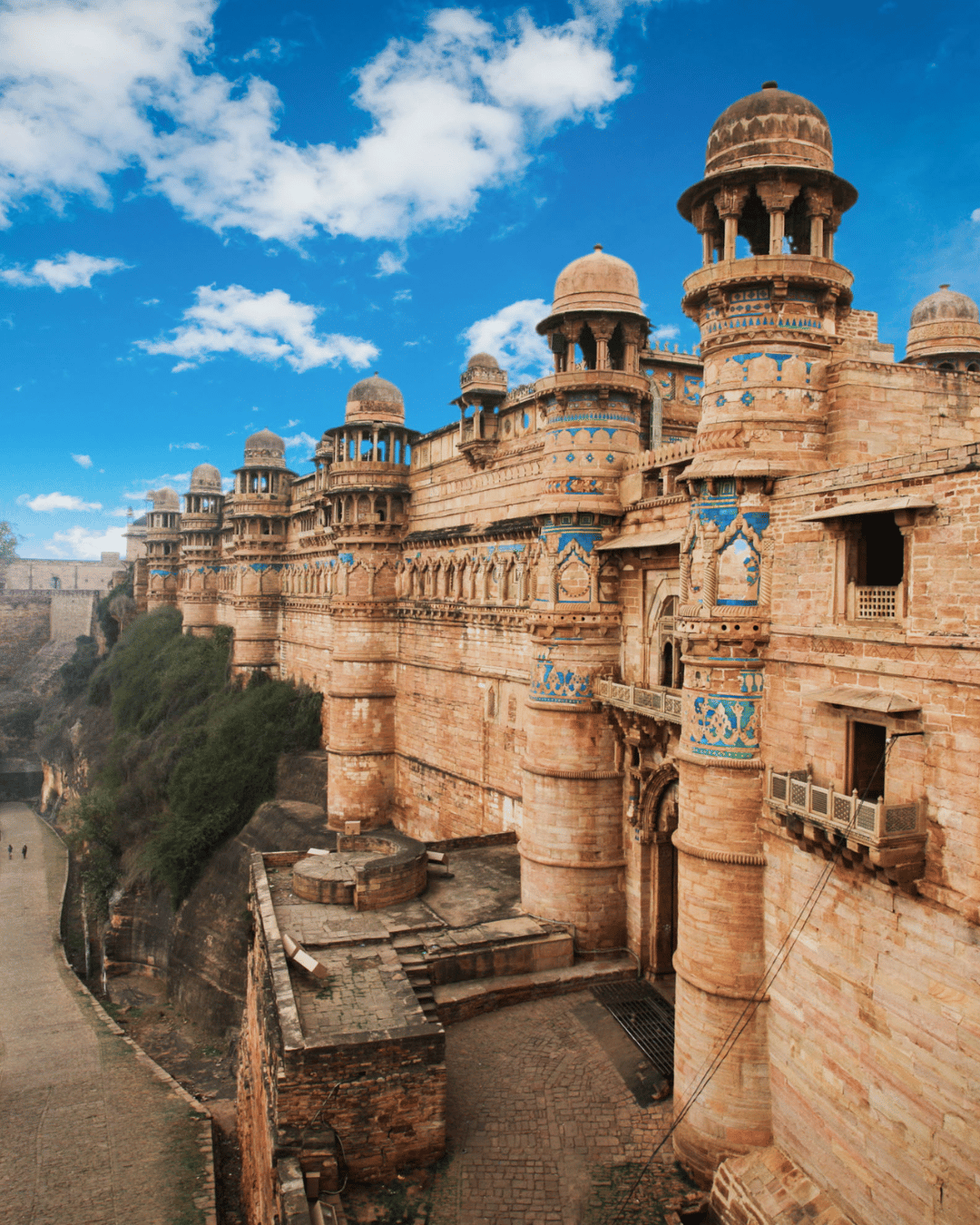
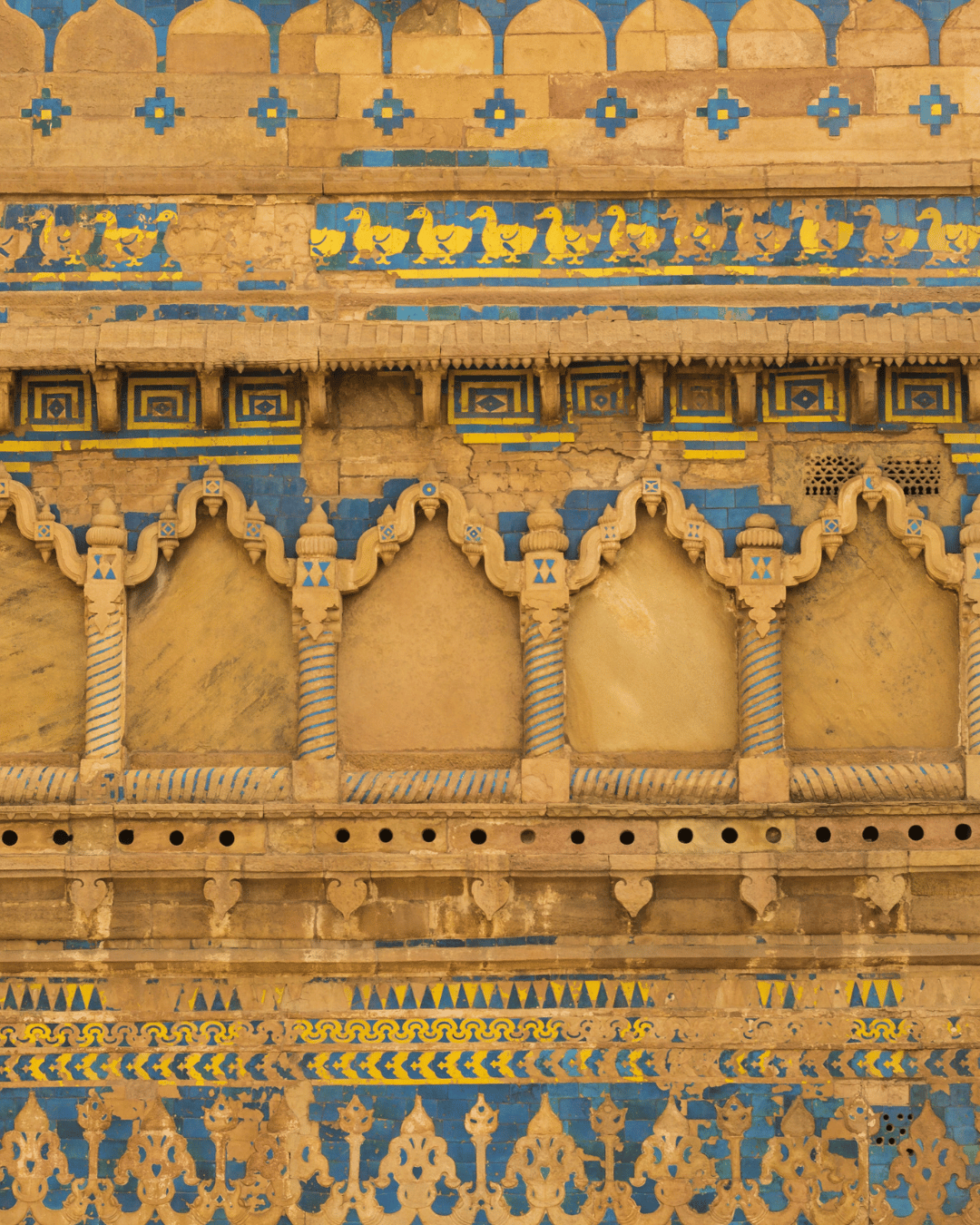
Dominated by its imposing hilltop fort, Gwalior offers a blend of Hindu and Islamic architecture spanning centuries of regional history, along with palaces, temples and one of India’s most impressive fort complexes.

Ajanta and Ellora Caves

These UNESCO-listed rock-cut caves showcase some of the finest ancient art in the world, with intricately carved Buddhist, Hindu and Jain temples dating back over 2,000 years — a remarkable pairing of artistic achievement and spiritual history.

Rural Central India

Away from its temples and reserves, rural Central India offers genuine insight into tribal traditions, local crafts and village life, best experienced through locally led visits that connect travellers directly with the communities involved. Wandering local markets, watching traditional craftspeople at work, and sharing regional food in a village setting all offer a deeper understanding of daily life in this part of India, guided throughout by knowledgeable local guides who ensure these encounters remain respectful and meaningful.

Unique and Authentic Experiences in Central India

Central India rewards travellers who want to combine world-class wildlife with rich cultural exploration, from ancient UNESCO sites to cosmopolitan city life and the everyday rhythms of rural villages.

Wildlife encounters: Track tigers and other wildlife across renowned national parks, with expert naturalists on hand to bring each sighting and the surrounding ecosystem to life.

UNESCO World Heritage Sites: Explore an exceptional concentration of ancient heritage, from the Buddhist stupas of Sanchi and the rock-cut cave temples of Ellora, Ajanta and Elephanta to the sculptural artistry of Khajuraho’s temples and the prehistoric rock art of Bhimbetka, together spanning millennia of India’s religious, artistic and architectural history.

Tribal traditions: Learn about the customs and heritage of Central India’s indigenous communities through respectful, locally guided interactions.

Local crafts: See traditional crafts such as weaving, pottery and tribal art practised by artisans continuing generations-old techniques.

Cycling through rural villages: Pedal through the countryside at an unhurried pace, passing farmland, small settlements and everyday village life along the way.

Village life: Spend time in traditional villages, gaining insight into rural life and everyday customs shaped by the surrounding landscape.

Local markets: Browse bustling local markets for a genuine sense of regional trade, produce and community life.

Regional food: Sample the distinctive flavours of Central Indian cuisine, shaped by local ingredients and long-standing culinary traditions.

Cosmopolitan Mumbai: Balance the region’s wilder, rural side with Mumbai’s energy — gallery-hopping and art spaces, upscale shopping, food tours through the city’s diverse neighbourhoods, and a thriving restaurant and bar scene by night.

Local guides: Travel with knowledgeable local guides who bring context and connection to each cultural encounter along the way.

Best Time to Visit Central India

The right time to visit depends on the type of trip that’s planned, with weather patterns shaping both wildlife safaris and general sightseeing across the year.

Winter (October to March): The most comfortable period for travel generally, with cooler, drier weather suited to sightseeing at heritage sites and temples as much as to safaris; December and January safaris, however, can involve very cold mornings, so warm layers are essential for early game drives.

Summer (April to June): Considerably hotter across the open plains, making sightseeing more demanding during the day, though national parks remain open throughout for those prioritising wildlife over comfort

Monsoon (July to September): Heavy rains close most national parks and make travel more difficult generally, though heritage sites remain accessible, and the season transforms the landscape into a lush, green backdrop for those less focused on safari.

Given these patterns, the best time to visit Central India for a well-rounded trip combining sightseeing and wildlife is October to March, whilst those focused purely on safari have flexibility through to June.

Travel Through Central India With Local Expertise

A Central India tour can be built entirely around the experiences that matter most to you. Whether your priority is wildlife, culture, heritage, photography, family travel or adventure, every detail — from accommodation preferences to duration and pace — can be shaped around your own interests.

At Enriching Journeys, this is made possible by genuine destination knowledge and specialist planning, backed by trusted local guides and connections across Central India’s parks and heritage sites. From wildlife expertise in the region’s tiger reserves to support throughout your journey, we’re with you from planning to the final day of your trip.