





CHOOSE FROM FOUR

DESTINATIONs

need we say more

“As a frequent traveller from Africa, I’ve trusted Enriching Journeys for seamless trips across India. My Udaipur 60th birthday celebration was flawlessly arranged—unforgettable entertainment and personal touches throughout. “

Glen, July 2026

“After 3 trips with Alok, one thing stands out: his guides treat you like old friends, sensing exactly when you need commentary or quiet space to soak in India’s magic.”

Anthony, April 2026

“As a travel agent myself, I’m fussy — but this was real, authentic India. Our guide was knowledgeable and passionate, showing us hidden gems and local food beyond typical tourist stops.”

Debbie, March 2026

We are indeed on a journey. Let us show up and find a new perspective together. Every trip we create is tailored individually around you.

Journeys to inspire

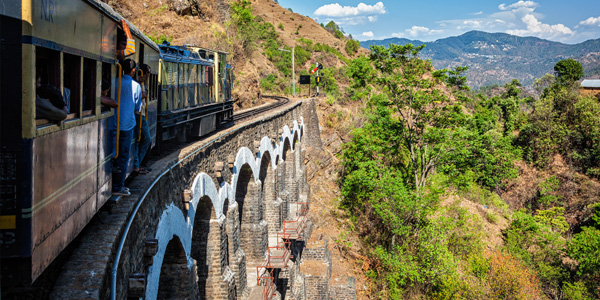
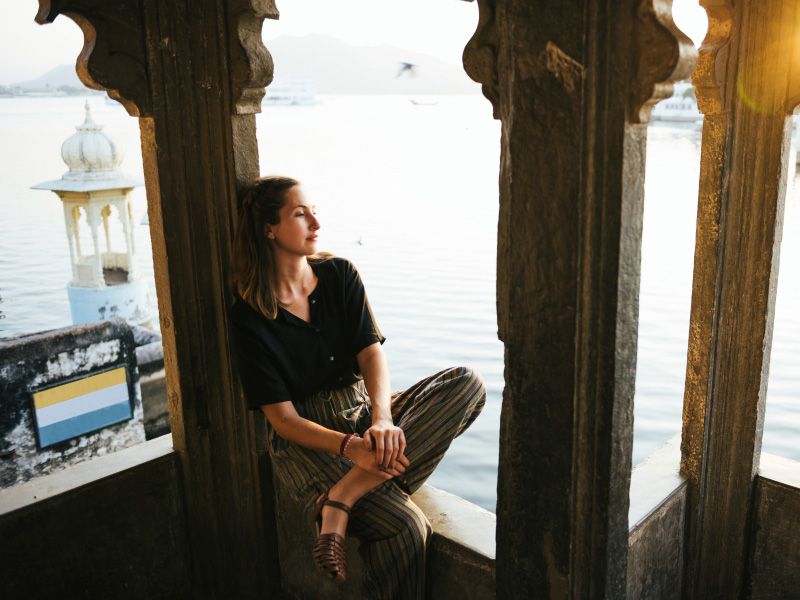
Himalayan Rail Journey and the Taj

Delhi – Mashobra – Delhi- Agra -Delhi

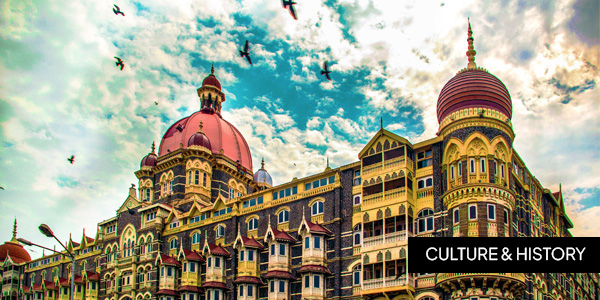
GRAND INDIA AT ITS BEST

Delhi – Varanasi – Agra – Jaipur – Nimaj – Jodhpur – Narlai – Udaipur – Mumbai – Neeleshwar

RURAL AND REGAL RAJASTHAN

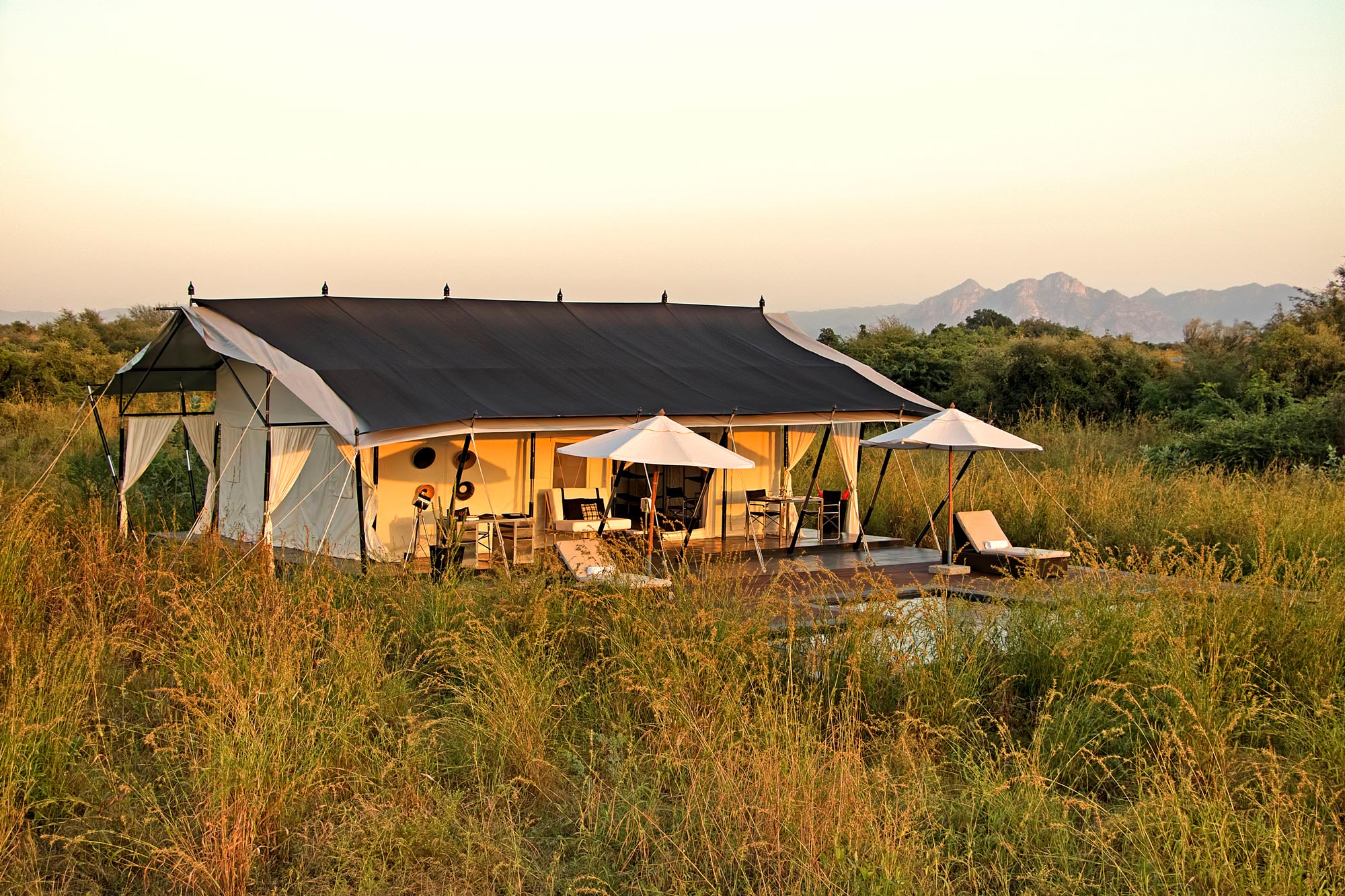
Delhi – Chambal Safari Lodge – Jaipur – Shahpura – Jodhpur – Delwara

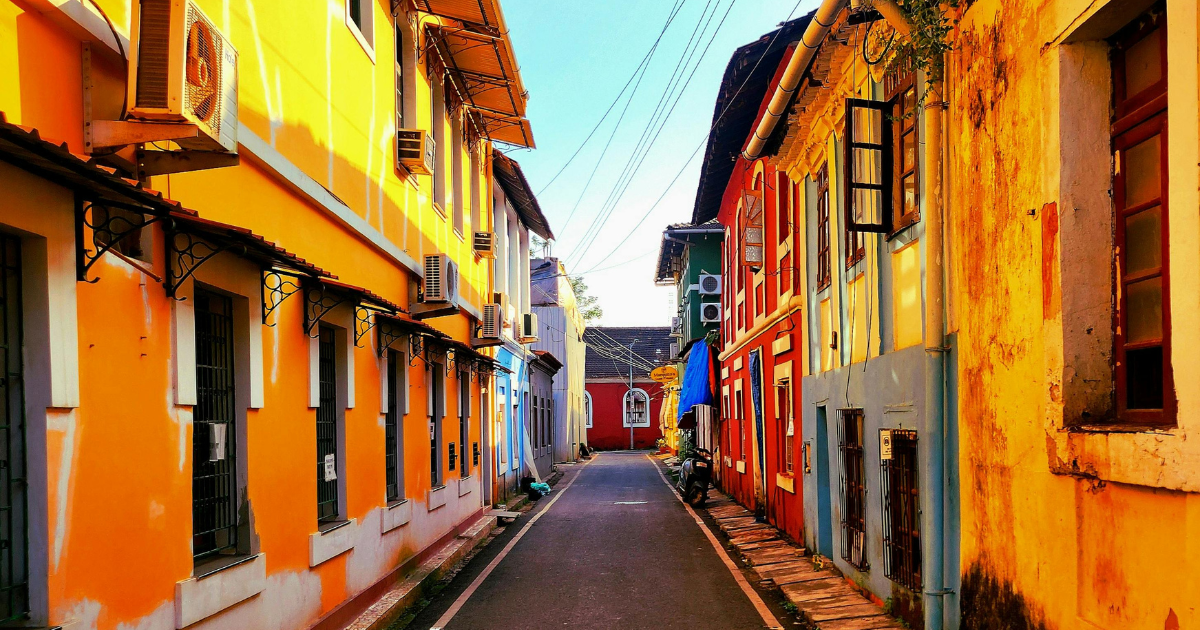
a SOUTHERN DELIGHT

Mumbai – Goa – Chennai – Madurai – Munnar – Cochin – Backwaters

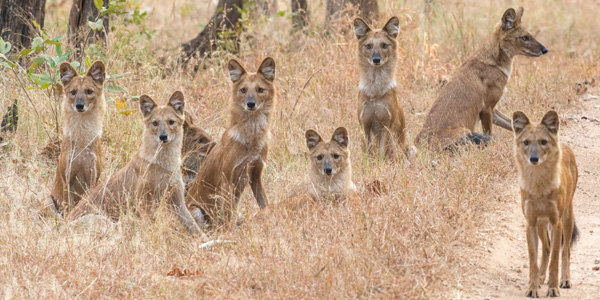
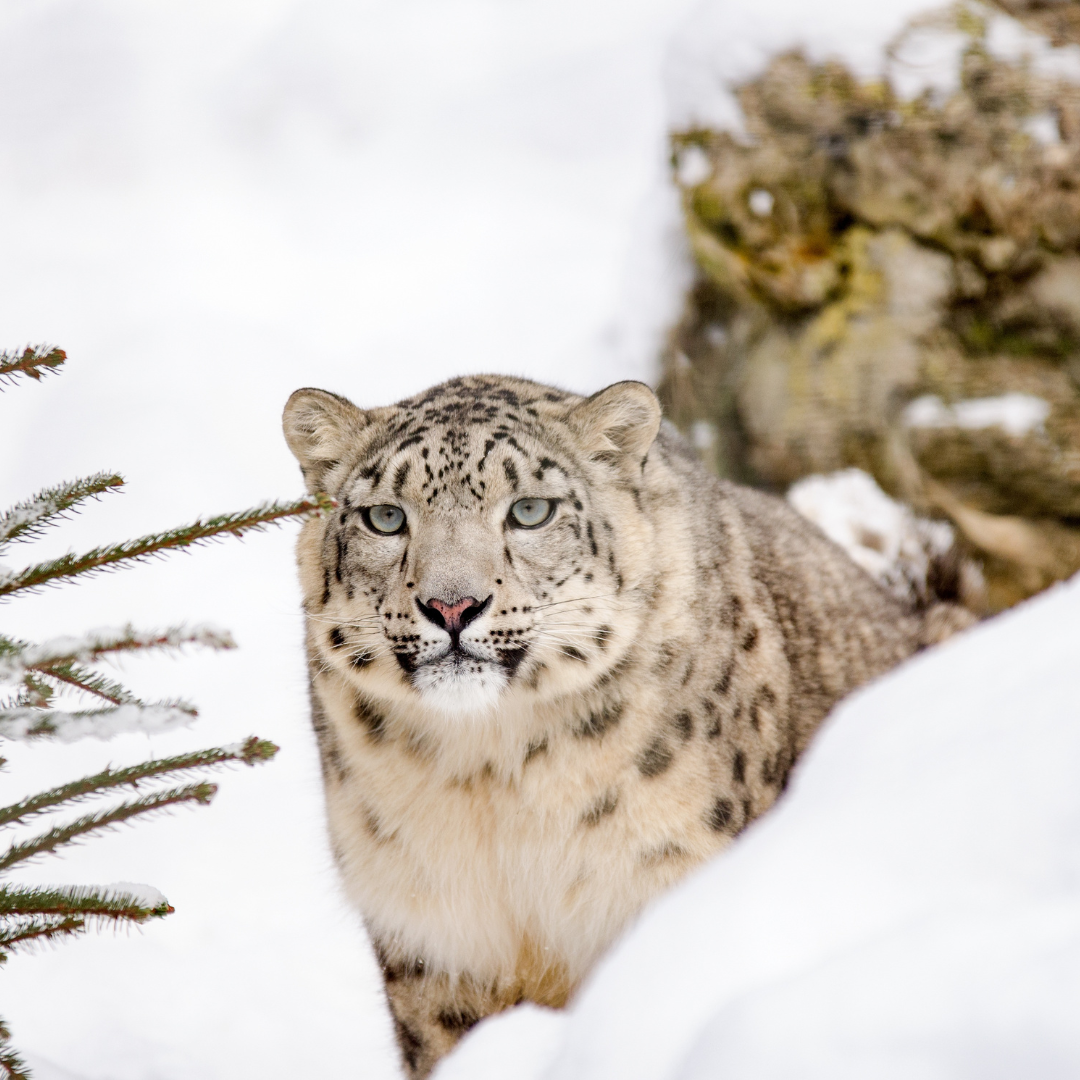
WALK ON THE WILD SIDE

Delhi – Kanha – Bandhavgarh – Panna – Khajuraho – Delhi

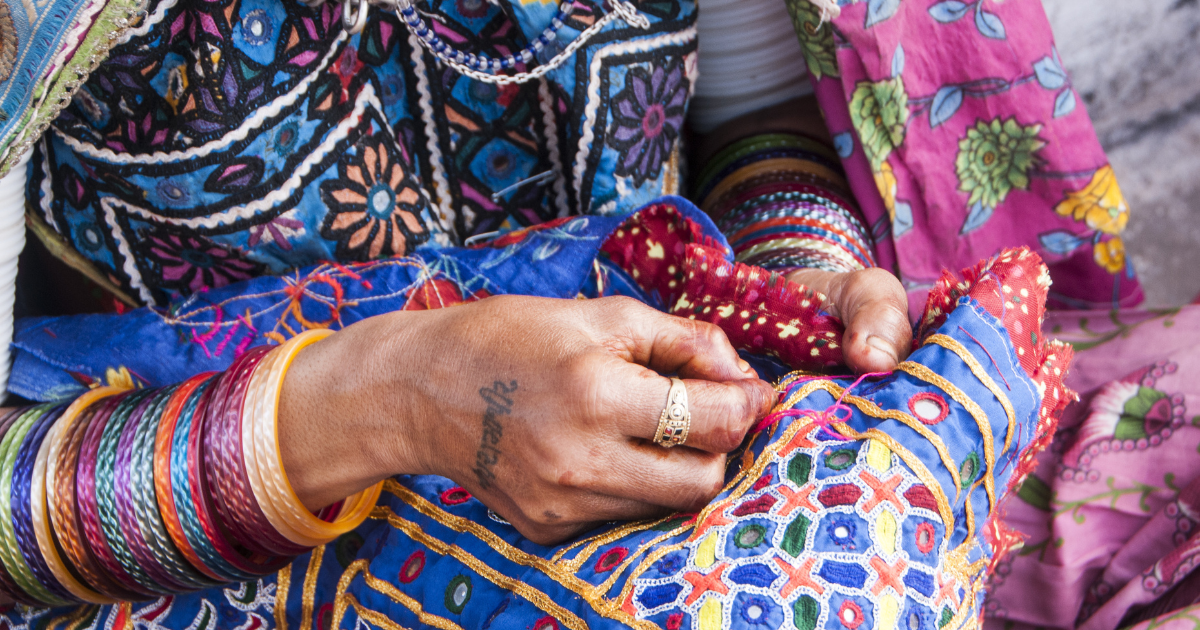
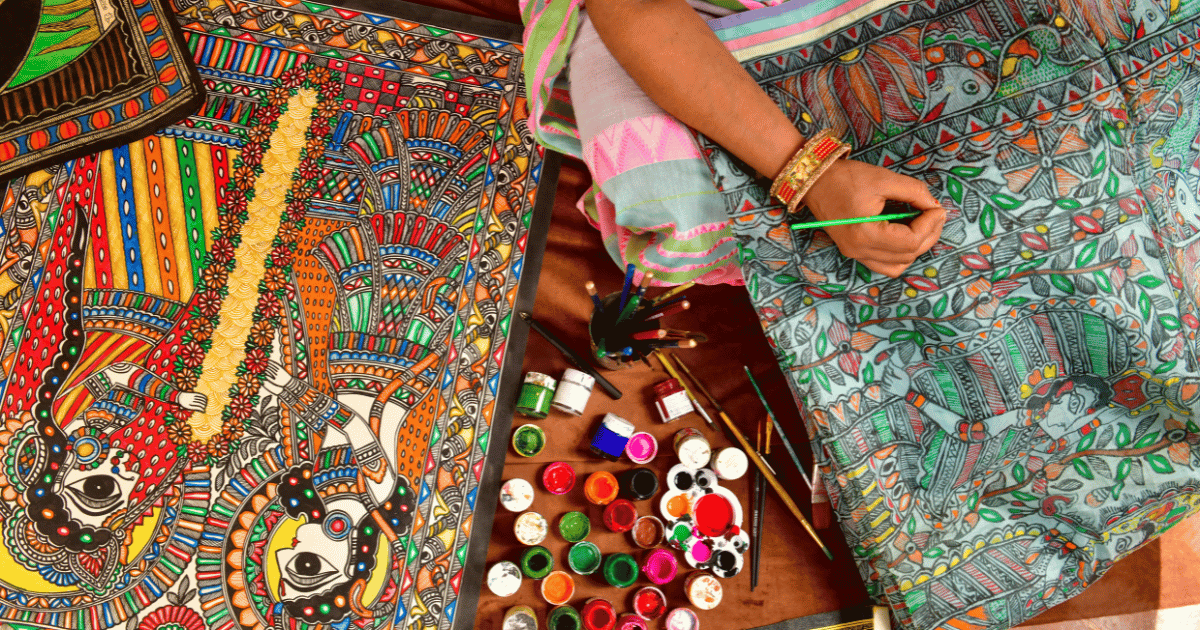
THE GREAT INDIA TEXTILE JOURNEY

Kolkata – Mumbai – Bhuj – Gondal – Ahmedabad – Maheshwar – Delhi

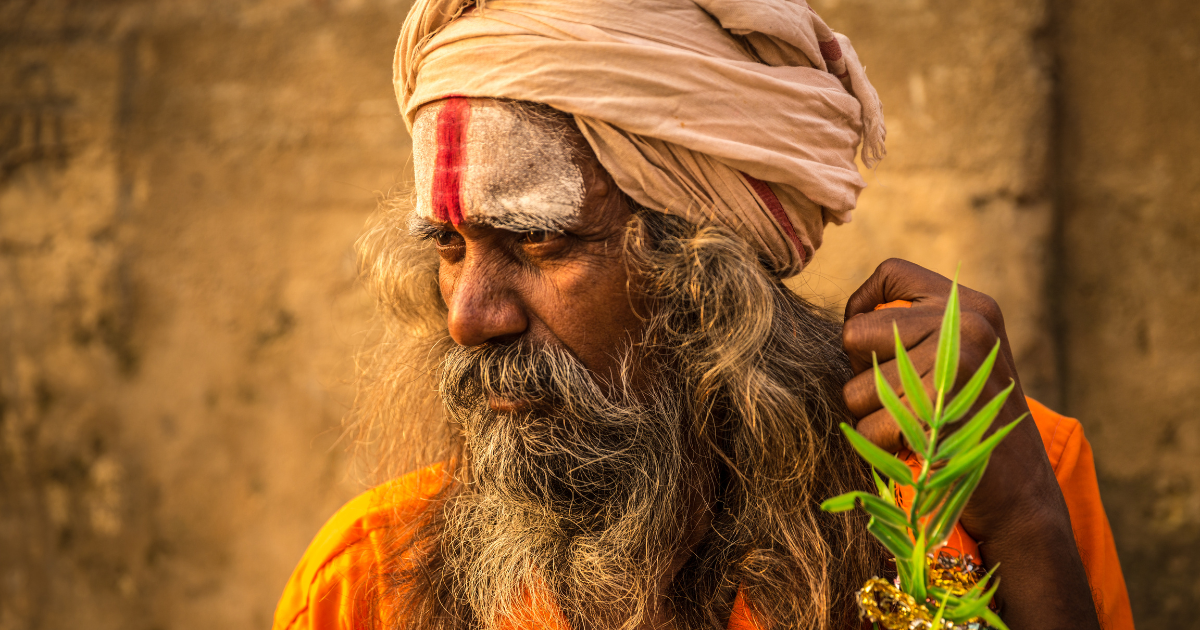
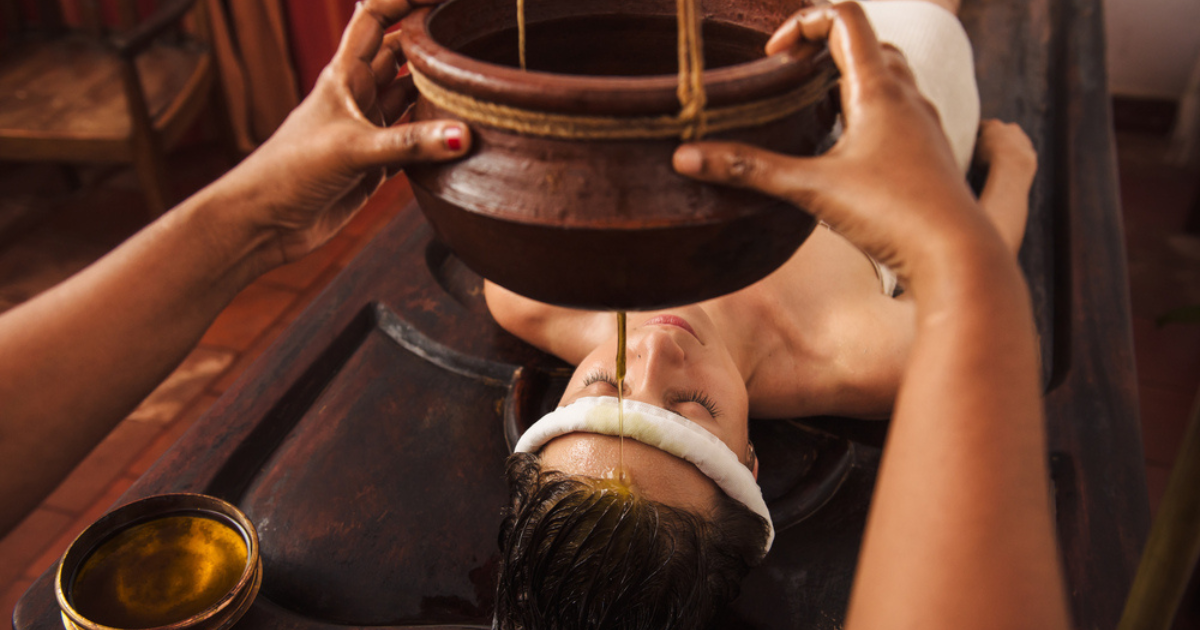
MIND, BODY AND SOUL

Delhi – Narendra Nagar – Chandigarh – Mashobra – Varanasi – Delhi

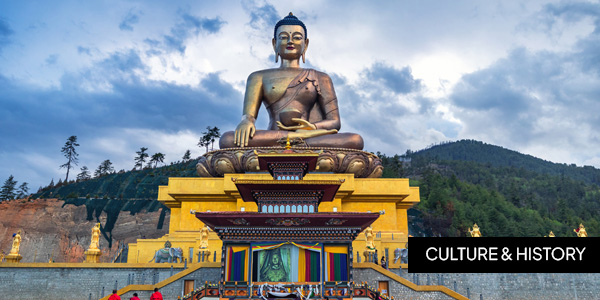
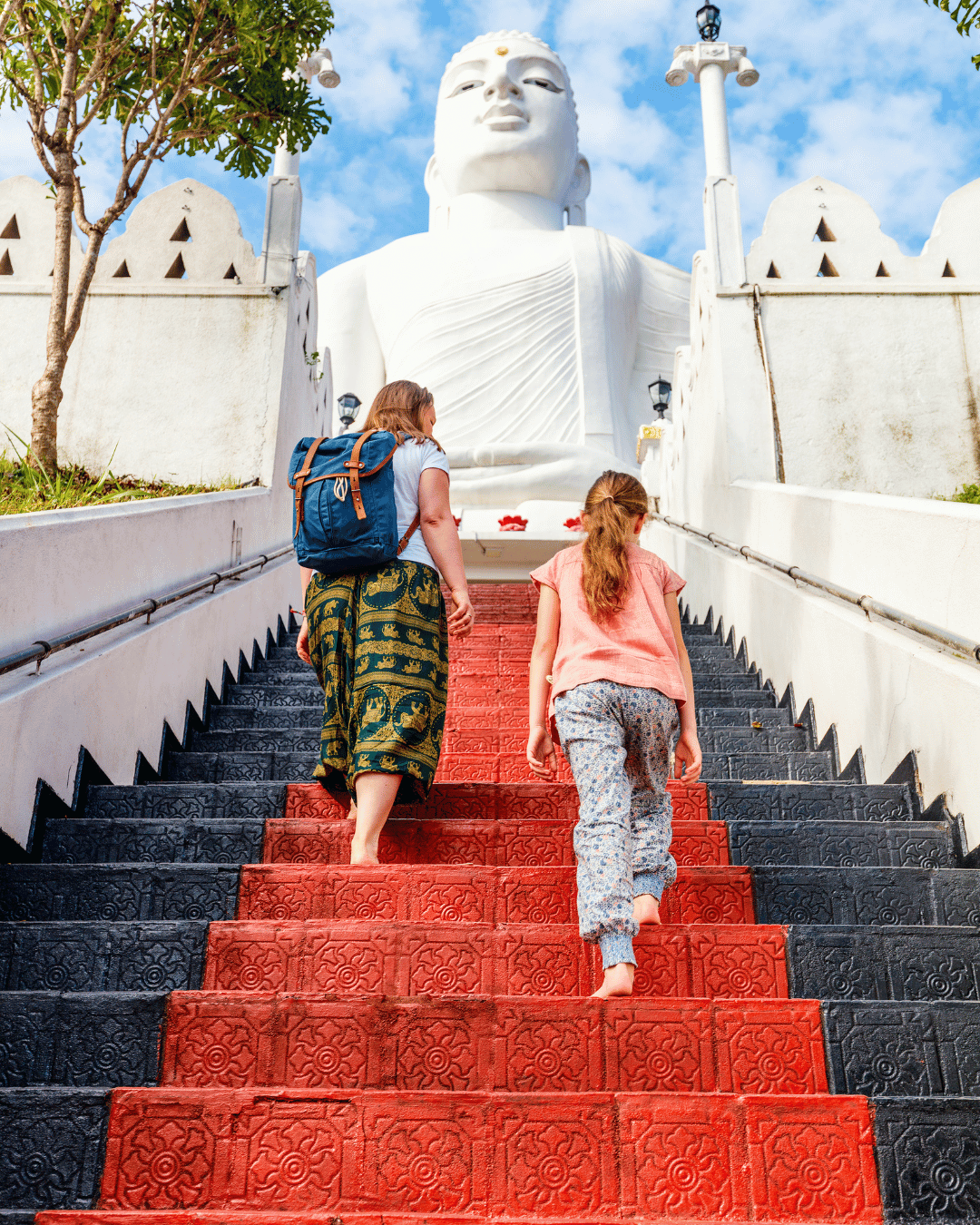
HAPPINESS IS A PLACE CALLED BHUTAN

Thimphu – Punakha – Paro

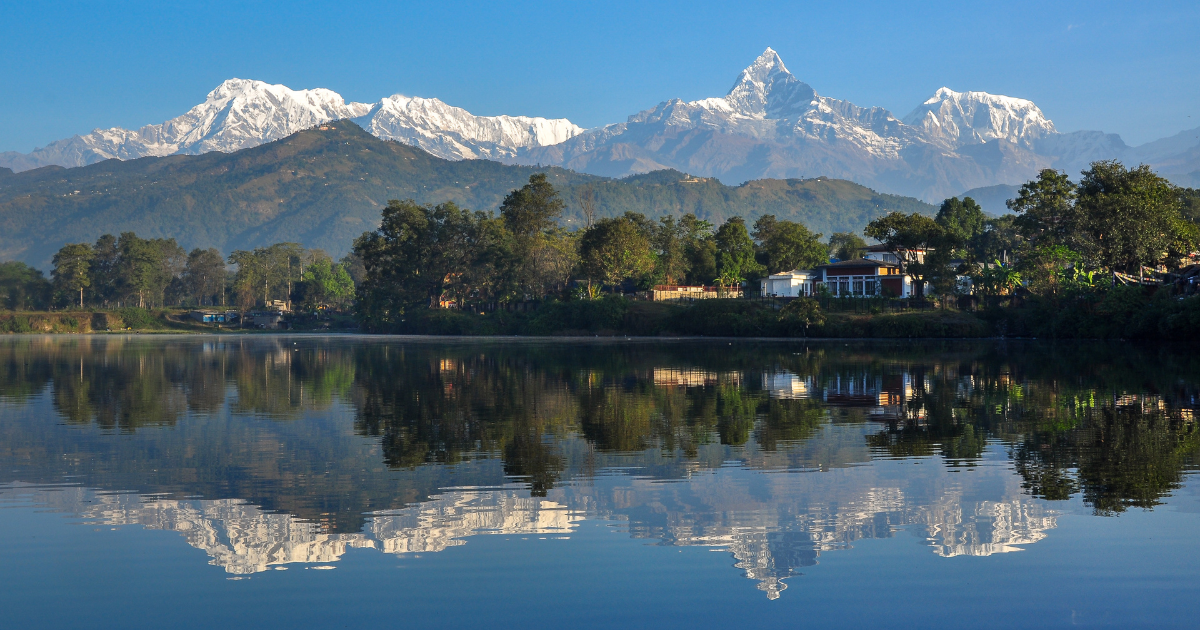
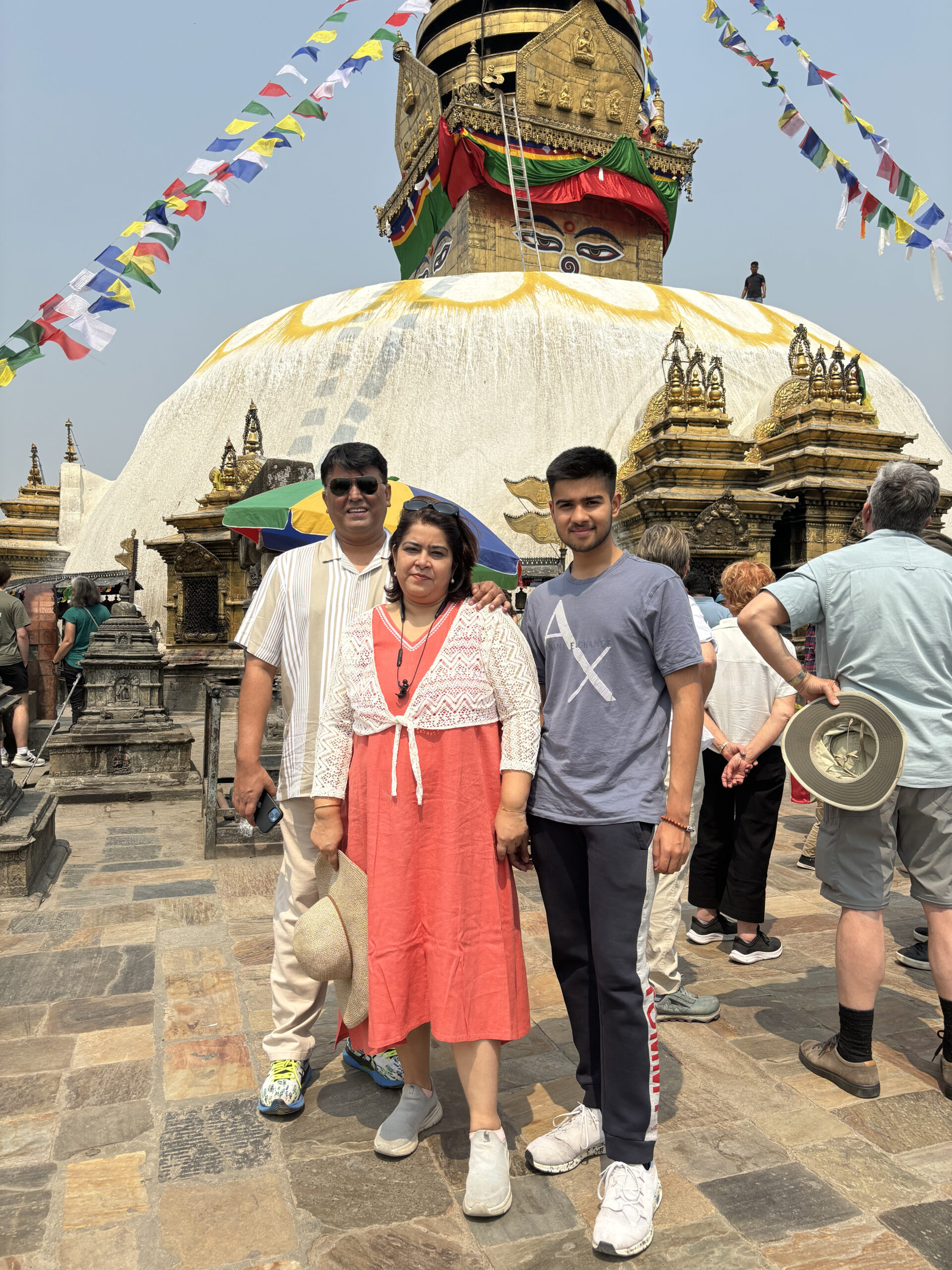
THE WONDER THAT IS NEPAL

Kathmandu – Chitwan – Pokhara – Kathmandu

@enrichingjourneys
𝑬𝒏𝒓𝒊𝒄𝒉𝒊𝒏𝒈 𝑱𝒐𝒖𝒓𝒏𝒆𝒚𝒔

@enrichingjourneys

Luxury, bespoke, inspiring, experiential travel experts to the Subcontinent. 🇮🇳India 🇱🇰Sri Lanka 🇧🇹Bhutan 🇳🇵Nepal #enrichingjourneys #TravelwithEJ
  • The Yamuna – Ganga's greatest tributary and a goddess in her own right – flows 1,376 kilometres from the Himalayas to Prayagraj, carrying with it the entire world of Krishna mythology. But away from Delhi's crowded ghats and Agra's Taj Mahal crowds, the Yamuna holds quieter, older stories.

At Bateshwar, a modest temple town roughly 70 kilometres from Agra, the river curves past nearly 100 ancient Shiva temples strung along its banks like a rosary. Built primarily in the 18th and 19th centuries after earlier structures were lost to flooding, these temples create one of North India's most photogenic riverside skylines – domes and spires reflecting in the Yamuna's waters, largely untouched by tourist crowds.

Once a year, Bateshwar transforms entirely. The annual cattle fair draws thousands of traders, farmers, and pilgrims for one of India's great rural gatherings – camels, horses, and cattle traded along the same ghats used for worship, a scene unchanged for generations. Dust, colour, bargaining, and devotion collide in a way few travellers ever witness.

Mela Kothi – Chambal Safari Lodge offers the ideal base for this experience. Positioned at the gateway to the Chambal region, the lodge combines rustic charm with genuine access to rural Uttar Pradesh: gharial and dolphin sightings on the Chambal River by day, Bateshwar's temples and fair by excursion, and evenings under open skies far from any tourist trail.

The Yamuna here isn't Delhi's crisis or Agra's monument – it's living tradition, unfiltered.

Images @chambalsafari

#EnrichingJourneys 
#TravelWithEJ 
#YamunaRiver #Bateshwar #ChambalSafariLodge #UttarPradesh #SacredRivers #IndianRivers #RiversOfIndia #BateshwarFair #SacredSpaces #SpiritualIndia
#India #IndiaTravel #TravelIndia #ExploreIndia #IncredibleIndia #UttarPradeshTravel #RuralIndia #RiverCulture #OffTheBeatenPath
#TravelDeeper #CulturalHeritage #SacredIndia #RiverLife #AuthenticIndia #HeritageTravel #IndianCulture #IndiaExperts #WildlifeIndia
    11 hours ago
  • The Hooghly isn't one of India's seven sacred rivers, but no waterway carries more layered history within a single city. This distributary of the Ganga flows past Kolkata, and for over 300 years, this stretch of river shaped an empire.

Every colonial power in India wanted a foothold here. Portuguese, Dutch, Danish, French, and finally British trading posts once lined the Hooghly's banks – Chandannagar, Serampore, Chinsurah, Bandel – each leaving behind churches, warehouses, and architecture that still stands today. Calcutta itself grew from this river trade into the "City of Palaces," capital of British India until 1911, and remains India's cultural and intellectual heart.

The river's ghats tell their own stories: Princep Ghat's colonial pavilion, Armenian Ghat's old trading wharves, and the Howrah Bridge – one of the world's busiest cantilever bridges – spanning the water as Kolkata's defining silhouette.

Spiritually, the Hooghly holds Belur Math, headquarters of the Ramakrishna Mission, and Dakshineswar Kali Temple, where Ramakrishna himself received his visions – both standing directly on the riverbank.

And once a year, the city transforms. During Durga Puja, Kolkata becomes an open-air gallery of extraordinary artistry, and at the festival's climax, thousands of idols are carried to the Hooghly's ghats for visarjan – immersed amid drumming, chanting, and collective emotion.

The Hooghly isn't sacred by scripture. It's sacred by lived experience, generation after generation – a river that built a city, and a city that never let it go.

#enrichingjourneys 
#TravelWithEJ 
#HooghlyRiver #Kolkata #Calcutta #WestBengal #DurgaPuja #HowrahBridge  #ColonialIndia #CityOfJoy #India #IndiaTravel #TravelIndia #ExploreIndia #IncredibleIndia #WestBengalTravel #EasternIndia #RiverCulture #UrbanIndia
#TravelDeeper #CulturalHeritage #SacredIndia #RiverLife #AuthenticIndia #HeritageTravel #IndianCulture #IndiaExperts
    3 days ago
  • Fort Kochi has long attracted artists, and with the Kochi-Muziris Biennale putting the town firmly on the contemporary art map, it felt like only a matter of time before a hotel here fully embraced that identity. Kara does exactly that.

Just eight rooms, spread across two adjoining 17th-century buildings with genuinely remarkable pasts — one served as a Portuguese mint, the other later became a Dutch East India Company property. Centuries of trade, colonisation, and spice-route history are baked into these walls, and Kara treats that inheritance with real care rather than flattening it into generic "heritage" styling.

What sets it apart, though, is the art. This isn't a hotel with a few decorative prints — it's a genuine platform for contemporary Indian artists, with works by recognised modern masters hung throughout the building and a proper gallery space downstairs showing rotating exhibitions. Every room is different, so no two stays here feel quite the same.

Food leans into home-style Kerala cooking, the kind built on family recipes rather than restaurant plating — a nice counterpoint to all that gallery-quality art upstairs.

With only eight rooms, this is an intimate stay by design, and its location puts you within easy walking distance of everything that makes Fort Kochi worth lingering in — the Chinese fishing nets, the old synagogue, the spice warehouses, and streets that reward slow, unhurried exploration on foot.

#EnrichingJourneys 
#TravelWithEJ 
#KaraHotel #FortKochi #Kochi #Kerala #KochiMuzirisBiennale #ArtHotel #BoutiqueHotel #HiddenGem #DesignHotel #ContemporaryArt #India #IndiaTravel #TravelIndia #ExploreIndia #IncredibleIndia #KeralaTravel #SouthIndia #TravelDeeper #ArtAndTravel #CulturalHeritage #HeritageTravel #IndianCulture #DesignLovers #SlowTravel
    1 week ago
  • On a hill in Madhya Pradesh, Sanchi's Great Stupa and its intricately carved gateways represent Buddhist art from the 3rd century BCE onwards – among India's oldest stone sculptures, where narrative reliefs tell stories of Buddha's life and Jataka tales with extraordinary detail and artistic sophistication.

Emperor Ashoka commissioned the original stupa in the 3rd century BCE, though the magnificent gateways (toranas) were added later in the 1st century BCE. The stupa itself is simple – a massive hemispherical dome representing Buddha's presence, surrounded by a stone railing with four elaborately carved gateways facing cardinal directions.

These gateways hold Sanchi's artistic genius. Carved from sandstone, they're covered in relief sculptures depicting Buddha's previous lives, his path to enlightenment, and early Buddhist symbols. Interestingly, Buddha himself isn't shown in human form – early Buddhist art represented him through symbols: the Bodhi tree, footprints, an empty throne, or the dharma wheel. This symbolic representation rather than direct depiction creates narrative requiring viewers to interpret.

The carvings show remarkable detail – elephants, horses, humans in various activities, trees, architectural elements, all rendered with naturalism and artistic confidence. The yakshi (female figure) bracket figures supporting gateway architraves are particularly celebrated – sensuous, graceful sculptures that influenced Indian art for centuries.

Sanchi survived because it was abandoned and forgotten, rediscovered only in 1818. This isolation protected what war or religious change destroyed elsewhere – giving us one of the most complete early Buddhist artistic sites surviving anywhere.

Sanchi represents Indian sculpture at its beginning – the artistic vocabulary being established that would evolve for two millennia.

#EnrichingJourneys 
#TravelWithEJ 
#Sanchi #SanchiStupa #MadhyaPradesh #BuddhistArt #BuddhistSculpture #AncientIndia #SculpturalMasterpieces #AshokanEra #UNESCOWorldHeritage #India #IndiaTravel #TravelIndia #ExploreIndia #IncredibleIndia #BuddhistHeritage #IndianHeritage  #CulturalHeritage  #IndianArt #BuddhistMonuments
    2 weeks ago
  • Modhera Sun Temple represents 11th-century Solanki dynasty sculpture at its finest – a temple dedicated to Surya that, while smaller and less known than Konark, offers something special: sculptural intimacy and preservation that allows close appreciation of artistic detail often impossible at grander sites.

Built in 1026 CE by King Bhimdev I, Modhera was designed so the sun's first rays would illuminate the sanctum during equinoxes. Though the main shrine lost its shikhara (spire) centuries ago, what remains showcases Solanki craftsmanship – every surface covered in carvings depicting gods, goddesses, celestial beings, animals, and intricate geometric patterns.

The assembly hall (sabha mandapa) features 52 pillars, each uniquely carved, supporting a ceiling covered in floral and geometric designs. Light filtering through creates constantly changing patterns on sculptured stone. The smaller scale means you can examine details closely – see how stone suggests fabric texture, observe individual expressions on faces, appreciate the technical precision in repetitive patterns that never quite repeat identically.

The stepped tank (kund) fronting the temple is equally impressive – a geometric marvel of platforms, steps, and shrines descending to water, all carved with miniature temples and sculptures creating three-dimensional mandala geometry.

Modhera's relative quiet – far fewer visitors than famous monuments – lets you experience these sculptures contemplatively.

#enrichingjourney 
#TravelWithEJ 
#ModheraSunTemple #Modhera #Gujarat #SunTemple #IndianSculpture #SculpturalMasterpieces #StepWell #GujaratHeritage #HiddenGems #India #IndiaTravel #TravelIndia #ExploreIndia #IncredibleIndia #GujaratTravel #WesternIndia #TempleArchitecture #IndianHeritage #TravelDeeper #CulturalHeritage #HeritageIndia #AncientArchitecture #StoneSculpture #IndianArt #OffbeatIndia  #IndiaExperts
    2 weeks ago
  • On an island in Mumbai Harbour, Elephanta's rock-cut cave temples hold some of India's most powerful Hindu sculpture – particularly the monumental Trimurti, a three-faced Shiva carved from living rock that represents 6th-7th century art at its most sublime and spiritually charged.

The main cave, carved into basalt hillside, is supported by massive pillars creating a cathedral-like space. Unlike many Indian temples packed with sculpture, Elephanta uses restraint – large wall panels depict Shiva in various aspects, each commanding attention through scale and artistic mastery rather than quantity.

The Trimurti (three-faced Shiva) dominates – nearly 6 metres tall, showing Shiva as creator, preserver, and destroyer in a single three-headed form. The central face radiates serene contemplation. The right face shows masculine energy. The left depicts feminine grace. Together they capture divine complexity in stone with artistic confidence that feels timeless.

Other panels show Shiva as Nataraja (cosmic dancer), Ardhanarishvara (half-male, half-female form uniting Shiva and Parvati), and in scenes from mythology. Each demonstrates understanding of human anatomy, divine symbolism, and sculptural composition that few periods achieved.

The caves' damaged state – Portuguese soldiers apparently used sculptures for target practice – somehow adds poignancy. Despite vandalism, the spiritual power remains intact.

Reaching Elephanta requires a ferry ride from Mumbai's Gateway of India, the journey itself preparing you for transition from chaotic metropolis to sacred island. The caves represent Maharashtra's rock-cut heritage – part of the tradition that created Ajanta and Ellora, showing Hindu sculpture achieving monumentality and spiritual depth simultaneously.

#EnrichingJourneys 
#TravelWithEJ 
#ElephantaCaves #Mumbai #Maharashtra #RockCutTemples  #IndianSculpture #SculpturalMasterpieces #CaveTemples #UNESCO #UNESCOWorldHeritage #India #IndiaTravel #TravelIndia #ExploreIndia #IncredibleIndia #IndianHeritage #AncientArchitecture #IndianArt  #IndiaExperts #SlowTravel #AuthenticTravel #VisitIndia
    2 weeks ago
The Yamuna – Ganga's greatest tributary and a goddess in her own right – flows 1,376 kilometres from the Himalayas to Prayagraj, carrying with it the entire world of Krishna mythology. But away from Delhi's crowded ghats and Agra's Taj Mahal crowds, the Yamuna holds quieter, older stories.

At Bateshwar, a modest temple town roughly 70 kilometres from Agra, the river curves past nearly 100 ancient Shiva temples strung along its banks like a rosary. Built primarily in the 18th and 19th centuries after earlier structures were lost to flooding, these temples create one of North India's most photogenic riverside skylines – domes and spires reflecting in the Yamuna's waters, largely untouched by tourist crowds.

Once a year, Bateshwar transforms entirely. The annual cattle fair draws thousands of traders, farmers, and pilgrims for one of India's great rural gatherings – camels, horses, and cattle traded along the same ghats used for worship, a scene unchanged for generations. Dust, colour, bargaining, and devotion collide in a way few travellers ever witness.

Mela Kothi – Chambal Safari Lodge offers the ideal base for this experience. Positioned at the gateway to the Chambal region, the lodge combines rustic charm with genuine access to rural Uttar Pradesh: gharial and dolphin sightings on the Chambal River by day, Bateshwar's temples and fair by excursion, and evenings under open skies far from any tourist trail.

The Yamuna here isn't Delhi's crisis or Agra's monument – it's living tradition, unfiltered.

Images @chambalsafari

#EnrichingJourneys 
#TravelWithEJ 
#YamunaRiver #Bateshwar #ChambalSafariLodge #UttarPradesh #SacredRivers #IndianRivers #RiversOfIndia #BateshwarFair #SacredSpaces #SpiritualIndia
#India #IndiaTravel #TravelIndia #ExploreIndia #IncredibleIndia #UttarPradeshTravel #RuralIndia #RiverCulture #OffTheBeatenPath
#TravelDeeper #CulturalHeritage #SacredIndia #RiverLife #AuthenticIndia #HeritageTravel #IndianCulture #IndiaExperts #WildlifeIndia
The Yamuna – Ganga's greatest tributary and a goddess in her own right – flows 1,376 kilometres from the Himalayas to Prayagraj, carrying with it the entire world of Krishna mythology. But away from Delhi's crowded ghats and Agra's Taj Mahal crowds, the Yamuna holds quieter, older stories.

At Bateshwar, a modest temple town roughly 70 kilometres from Agra, the river curves past nearly 100 ancient Shiva temples strung along its banks like a rosary. Built primarily in the 18th and 19th centuries after earlier structures were lost to flooding, these temples create one of North India's most photogenic riverside skylines – domes and spires reflecting in the Yamuna's waters, largely untouched by tourist crowds.

Once a year, Bateshwar transforms entirely. The annual cattle fair draws thousands of traders, farmers, and pilgrims for one of India's great rural gatherings – camels, horses, and cattle traded along the same ghats used for worship, a scene unchanged for generations. Dust, colour, bargaining, and devotion collide in a way few travellers ever witness.

Mela Kothi – Chambal Safari Lodge offers the ideal base for this experience. Positioned at the gateway to the Chambal region, the lodge combines rustic charm with genuine access to rural Uttar Pradesh: gharial and dolphin sightings on the Chambal River by day, Bateshwar's temples and fair by excursion, and evenings under open skies far from any tourist trail.

The Yamuna here isn't Delhi's crisis or Agra's monument – it's living tradition, unfiltered.

Images @chambalsafari

#EnrichingJourneys 
#TravelWithEJ 
#YamunaRiver #Bateshwar #ChambalSafariLodge #UttarPradesh #SacredRivers #IndianRivers #RiversOfIndia #BateshwarFair #SacredSpaces #SpiritualIndia
#India #IndiaTravel #TravelIndia #ExploreIndia #IncredibleIndia #UttarPradeshTravel #RuralIndia #RiverCulture #OffTheBeatenPath
#TravelDeeper #CulturalHeritage #SacredIndia #RiverLife #AuthenticIndia #HeritageTravel #IndianCulture #IndiaExperts #WildlifeIndia
The Yamuna – Ganga's greatest tributary and a goddess in her own right – flows 1,376 kilometres from the Himalayas to Prayagraj, carrying with it the entire world of Krishna mythology. But away from Delhi's crowded ghats and Agra's Taj Mahal crowds, the Yamuna holds quieter, older stories.

At Bateshwar, a modest temple town roughly 70 kilometres from Agra, the river curves past nearly 100 ancient Shiva temples strung along its banks like a rosary. Built primarily in the 18th and 19th centuries after earlier structures were lost to flooding, these temples create one of North India's most photogenic riverside skylines – domes and spires reflecting in the Yamuna's waters, largely untouched by tourist crowds.

Once a year, Bateshwar transforms entirely. The annual cattle fair draws thousands of traders, farmers, and pilgrims for one of India's great rural gatherings – camels, horses, and cattle traded along the same ghats used for worship, a scene unchanged for generations. Dust, colour, bargaining, and devotion collide in a way few travellers ever witness.

Mela Kothi – Chambal Safari Lodge offers the ideal base for this experience. Positioned at the gateway to the Chambal region, the lodge combines rustic charm with genuine access to rural Uttar Pradesh: gharial and dolphin sightings on the Chambal River by day, Bateshwar's temples and fair by excursion, and evenings under open skies far from any tourist trail.

The Yamuna here isn't Delhi's crisis or Agra's monument – it's living tradition, unfiltered.

Images @chambalsafari

#EnrichingJourneys 
#TravelWithEJ 
#YamunaRiver #Bateshwar #ChambalSafariLodge #UttarPradesh #SacredRivers #IndianRivers #RiversOfIndia #BateshwarFair #SacredSpaces #SpiritualIndia
#India #IndiaTravel #TravelIndia #ExploreIndia #IncredibleIndia #UttarPradeshTravel #RuralIndia #RiverCulture #OffTheBeatenPath
#TravelDeeper #CulturalHeritage #SacredIndia #RiverLife #AuthenticIndia #HeritageTravel #IndianCulture #IndiaExperts #WildlifeIndia
The Yamuna – Ganga's greatest tributary and a goddess in her own right – flows 1,376 kilometres from the Himalayas to Prayagraj, carrying with it the entire world of Krishna mythology. But away from Delhi's crowded ghats and Agra's Taj Mahal crowds, the Yamuna holds quieter, older stories.

At Bateshwar, a modest temple town roughly 70 kilometres from Agra, the river curves past nearly 100 ancient Shiva temples strung along its banks like a rosary. Built primarily in the 18th and 19th centuries after earlier structures were lost to flooding, these temples create one of North India's most photogenic riverside skylines – domes and spires reflecting in the Yamuna's waters, largely untouched by tourist crowds.

Once a year, Bateshwar transforms entirely. The annual cattle fair draws thousands of traders, farmers, and pilgrims for one of India's great rural gatherings – camels, horses, and cattle traded along the same ghats used for worship, a scene unchanged for generations. Dust, colour, bargaining, and devotion collide in a way few travellers ever witness.

Mela Kothi – Chambal Safari Lodge offers the ideal base for this experience. Positioned at the gateway to the Chambal region, the lodge combines rustic charm with genuine access to rural Uttar Pradesh: gharial and dolphin sightings on the Chambal River by day, Bateshwar's temples and fair by excursion, and evenings under open skies far from any tourist trail.

The Yamuna here isn't Delhi's crisis or Agra's monument – it's living tradition, unfiltered.

Images @chambalsafari

#EnrichingJourneys 
#TravelWithEJ 
#YamunaRiver #Bateshwar #ChambalSafariLodge #UttarPradesh #SacredRivers #IndianRivers #RiversOfIndia #BateshwarFair #SacredSpaces #SpiritualIndia
#India #IndiaTravel #TravelIndia #ExploreIndia #IncredibleIndia #UttarPradeshTravel #RuralIndia #RiverCulture #OffTheBeatenPath
#TravelDeeper #CulturalHeritage #SacredIndia #RiverLife #AuthenticIndia #HeritageTravel #IndianCulture #IndiaExperts #WildlifeIndia
The Yamuna – Ganga's greatest tributary and a goddess in her own right – flows 1,376 kilometres from the Himalayas to Prayagraj, carrying with it the entire world of Krishna mythology. But away from Delhi's crowded ghats and Agra's Taj Mahal crowds, the Yamuna holds quieter, older stories.

At Bateshwar, a modest temple town roughly 70 kilometres from Agra, the river curves past nearly 100 ancient Shiva temples strung along its banks like a rosary. Built primarily in the 18th and 19th centuries after earlier structures were lost to flooding, these temples create one of North India's most photogenic riverside skylines – domes and spires reflecting in the Yamuna's waters, largely untouched by tourist crowds.

Once a year, Bateshwar transforms entirely. The annual cattle fair draws thousands of traders, farmers, and pilgrims for one of India's great rural gatherings – camels, horses, and cattle traded along the same ghats used for worship, a scene unchanged for generations. Dust, colour, bargaining, and devotion collide in a way few travellers ever witness.

Mela Kothi – Chambal Safari Lodge offers the ideal base for this experience. Positioned at the gateway to the Chambal region, the lodge combines rustic charm with genuine access to rural Uttar Pradesh: gharial and dolphin sightings on the Chambal River by day, Bateshwar's temples and fair by excursion, and evenings under open skies far from any tourist trail.

The Yamuna here isn't Delhi's crisis or Agra's monument – it's living tradition, unfiltered.

Images @chambalsafari

#EnrichingJourneys 
#TravelWithEJ 
#YamunaRiver #Bateshwar #ChambalSafariLodge #UttarPradesh #SacredRivers #IndianRivers #RiversOfIndia #BateshwarFair #SacredSpaces #SpiritualIndia
#India #IndiaTravel #TravelIndia #ExploreIndia #IncredibleIndia #UttarPradeshTravel #RuralIndia #RiverCulture #OffTheBeatenPath
#TravelDeeper #CulturalHeritage #SacredIndia #RiverLife #AuthenticIndia #HeritageTravel #IndianCulture #IndiaExperts #WildlifeIndia
The Yamuna – Ganga's greatest tributary and a goddess in her own right – flows 1,376 kilometres from the Himalayas to Prayagraj, carrying with it the entire world of Krishna mythology. But away from Delhi's crowded ghats and Agra's Taj Mahal crowds, the Yamuna holds quieter, older stories.

At Bateshwar, a modest temple town roughly 70 kilometres from Agra, the river curves past nearly 100 ancient Shiva temples strung along its banks like a rosary. Built primarily in the 18th and 19th centuries after earlier structures were lost to flooding, these temples create one of North India's most photogenic riverside skylines – domes and spires reflecting in the Yamuna's waters, largely untouched by tourist crowds.

Once a year, Bateshwar transforms entirely. The annual cattle fair draws thousands of traders, farmers, and pilgrims for one of India's great rural gatherings – camels, horses, and cattle traded along the same ghats used for worship, a scene unchanged for generations. Dust, colour, bargaining, and devotion collide in a way few travellers ever witness.

Mela Kothi – Chambal Safari Lodge offers the ideal base for this experience. Positioned at the gateway to the Chambal region, the lodge combines rustic charm with genuine access to rural Uttar Pradesh: gharial and dolphin sightings on the Chambal River by day, Bateshwar's temples and fair by excursion, and evenings under open skies far from any tourist trail.

The Yamuna here isn't Delhi's crisis or Agra's monument – it's living tradition, unfiltered.

Images @chambalsafari

#EnrichingJourneys 
#TravelWithEJ 
#YamunaRiver #Bateshwar #ChambalSafariLodge #UttarPradesh #SacredRivers #IndianRivers #RiversOfIndia #BateshwarFair #SacredSpaces #SpiritualIndia
#India #IndiaTravel #TravelIndia #ExploreIndia #IncredibleIndia #UttarPradeshTravel #RuralIndia #RiverCulture #OffTheBeatenPath
#TravelDeeper #CulturalHeritage #SacredIndia #RiverLife #AuthenticIndia #HeritageTravel #IndianCulture #IndiaExperts #WildlifeIndia
The Yamuna – Ganga's greatest tributary and a goddess in her own right – flows 1,376 kilometres from the Himalayas to Prayagraj, carrying with it the entire world of Krishna mythology. But away from Delhi's crowded ghats and Agra's Taj Mahal crowds, the Yamuna holds quieter, older stories. At Bateshwar, a modest temple town roughly 70 kilometres from Agra, the river curves past nearly 100 ancient Shiva temples strung along its banks like a rosary. Built primarily in the 18th and 19th centuries after earlier structures were lost to flooding, these temples create one of North India's most photogenic riverside skylines – domes and spires reflecting in the Yamuna's waters, largely untouched by tourist crowds. Once a year, Bateshwar transforms entirely. The annual cattle fair draws thousands of traders, farmers, and pilgrims for one of India's great rural gatherings – camels, horses, and cattle traded along the same ghats used for worship, a scene unchanged for generations. Dust, colour, bargaining, and devotion collide in a way few travellers ever witness. Mela Kothi – Chambal Safari Lodge offers the ideal base for this experience. Positioned at the gateway to the Chambal region, the lodge combines rustic charm with genuine access to rural Uttar Pradesh: gharial and dolphin sightings on the Chambal River by day, Bateshwar's temples and fair by excursion, and evenings under open skies far from any tourist trail. The Yamuna here isn't Delhi's crisis or Agra's monument – it's living tradition, unfiltered. Images @chambalsafari #EnrichingJourneys #TravelWithEJ #YamunaRiver #Bateshwar #ChambalSafariLodge #UttarPradesh #SacredRivers #IndianRivers #RiversOfIndia #BateshwarFair #SacredSpaces #SpiritualIndia #India #IndiaTravel #TravelIndia #ExploreIndia #IncredibleIndia #UttarPradeshTravel #RuralIndia #RiverCulture #OffTheBeatenPath #TravelDeeper #CulturalHeritage #SacredIndia #RiverLife #AuthenticIndia #HeritageTravel #IndianCulture #IndiaExperts #WildlifeIndia
11 hours ago
View on Instagram |
1/6
The Hooghly isn't one of India's seven sacred rivers, but no waterway carries more layered history within a single city. This distributary of the Ganga flows past Kolkata, and for over 300 years, this stretch of river shaped an empire.

Every colonial power in India wanted a foothold here. Portuguese, Dutch, Danish, French, and finally British trading posts once lined the Hooghly's banks – Chandannagar, Serampore, Chinsurah, Bandel – each leaving behind churches, warehouses, and architecture that still stands today. Calcutta itself grew from this river trade into the "City of Palaces," capital of British India until 1911, and remains India's cultural and intellectual heart.

The river's ghats tell their own stories: Princep Ghat's colonial pavilion, Armenian Ghat's old trading wharves, and the Howrah Bridge – one of the world's busiest cantilever bridges – spanning the water as Kolkata's defining silhouette.

Spiritually, the Hooghly holds Belur Math, headquarters of the Ramakrishna Mission, and Dakshineswar Kali Temple, where Ramakrishna himself received his visions – both standing directly on the riverbank.

And once a year, the city transforms. During Durga Puja, Kolkata becomes an open-air gallery of extraordinary artistry, and at the festival's climax, thousands of idols are carried to the Hooghly's ghats for visarjan – immersed amid drumming, chanting, and collective emotion.

The Hooghly isn't sacred by scripture. It's sacred by lived experience, generation after generation – a river that built a city, and a city that never let it go.

#enrichingjourneys 
#TravelWithEJ 
#HooghlyRiver #Kolkata #Calcutta #WestBengal #DurgaPuja #HowrahBridge  #ColonialIndia #CityOfJoy #India #IndiaTravel #TravelIndia #ExploreIndia #IncredibleIndia #WestBengalTravel #EasternIndia #RiverCulture #UrbanIndia
#TravelDeeper #CulturalHeritage #SacredIndia #RiverLife #AuthenticIndia #HeritageTravel #IndianCulture #IndiaExperts
The Hooghly isn't one of India's seven sacred rivers, but no waterway carries more layered history within a single city. This distributary of the Ganga flows past Kolkata, and for over 300 years, this stretch of river shaped an empire.

Every colonial power in India wanted a foothold here. Portuguese, Dutch, Danish, French, and finally British trading posts once lined the Hooghly's banks – Chandannagar, Serampore, Chinsurah, Bandel – each leaving behind churches, warehouses, and architecture that still stands today. Calcutta itself grew from this river trade into the "City of Palaces," capital of British India until 1911, and remains India's cultural and intellectual heart.

The river's ghats tell their own stories: Princep Ghat's colonial pavilion, Armenian Ghat's old trading wharves, and the Howrah Bridge – one of the world's busiest cantilever bridges – spanning the water as Kolkata's defining silhouette.

Spiritually, the Hooghly holds Belur Math, headquarters of the Ramakrishna Mission, and Dakshineswar Kali Temple, where Ramakrishna himself received his visions – both standing directly on the riverbank.

And once a year, the city transforms. During Durga Puja, Kolkata becomes an open-air gallery of extraordinary artistry, and at the festival's climax, thousands of idols are carried to the Hooghly's ghats for visarjan – immersed amid drumming, chanting, and collective emotion.

The Hooghly isn't sacred by scripture. It's sacred by lived experience, generation after generation – a river that built a city, and a city that never let it go.

#enrichingjourneys 
#TravelWithEJ 
#HooghlyRiver #Kolkata #Calcutta #WestBengal #DurgaPuja #HowrahBridge  #ColonialIndia #CityOfJoy #India #IndiaTravel #TravelIndia #ExploreIndia #IncredibleIndia #WestBengalTravel #EasternIndia #RiverCulture #UrbanIndia
#TravelDeeper #CulturalHeritage #SacredIndia #RiverLife #AuthenticIndia #HeritageTravel #IndianCulture #IndiaExperts
The Hooghly isn't one of India's seven sacred rivers, but no waterway carries more layered history within a single city. This distributary of the Ganga flows past Kolkata, and for over 300 years, this stretch of river shaped an empire.

Every colonial power in India wanted a foothold here. Portuguese, Dutch, Danish, French, and finally British trading posts once lined the Hooghly's banks – Chandannagar, Serampore, Chinsurah, Bandel – each leaving behind churches, warehouses, and architecture that still stands today. Calcutta itself grew from this river trade into the "City of Palaces," capital of British India until 1911, and remains India's cultural and intellectual heart.

The river's ghats tell their own stories: Princep Ghat's colonial pavilion, Armenian Ghat's old trading wharves, and the Howrah Bridge – one of the world's busiest cantilever bridges – spanning the water as Kolkata's defining silhouette.

Spiritually, the Hooghly holds Belur Math, headquarters of the Ramakrishna Mission, and Dakshineswar Kali Temple, where Ramakrishna himself received his visions – both standing directly on the riverbank.

And once a year, the city transforms. During Durga Puja, Kolkata becomes an open-air gallery of extraordinary artistry, and at the festival's climax, thousands of idols are carried to the Hooghly's ghats for visarjan – immersed amid drumming, chanting, and collective emotion.

The Hooghly isn't sacred by scripture. It's sacred by lived experience, generation after generation – a river that built a city, and a city that never let it go.

#enrichingjourneys 
#TravelWithEJ 
#HooghlyRiver #Kolkata #Calcutta #WestBengal #DurgaPuja #HowrahBridge  #ColonialIndia #CityOfJoy #India #IndiaTravel #TravelIndia #ExploreIndia #IncredibleIndia #WestBengalTravel #EasternIndia #RiverCulture #UrbanIndia
#TravelDeeper #CulturalHeritage #SacredIndia #RiverLife #AuthenticIndia #HeritageTravel #IndianCulture #IndiaExperts
The Hooghly isn't one of India's seven sacred rivers, but no waterway carries more layered history within a single city. This distributary of the Ganga flows past Kolkata, and for over 300 years, this stretch of river shaped an empire.

Every colonial power in India wanted a foothold here. Portuguese, Dutch, Danish, French, and finally British trading posts once lined the Hooghly's banks – Chandannagar, Serampore, Chinsurah, Bandel – each leaving behind churches, warehouses, and architecture that still stands today. Calcutta itself grew from this river trade into the "City of Palaces," capital of British India until 1911, and remains India's cultural and intellectual heart.

The river's ghats tell their own stories: Princep Ghat's colonial pavilion, Armenian Ghat's old trading wharves, and the Howrah Bridge – one of the world's busiest cantilever bridges – spanning the water as Kolkata's defining silhouette.

Spiritually, the Hooghly holds Belur Math, headquarters of the Ramakrishna Mission, and Dakshineswar Kali Temple, where Ramakrishna himself received his visions – both standing directly on the riverbank.

And once a year, the city transforms. During Durga Puja, Kolkata becomes an open-air gallery of extraordinary artistry, and at the festival's climax, thousands of idols are carried to the Hooghly's ghats for visarjan – immersed amid drumming, chanting, and collective emotion.

The Hooghly isn't sacred by scripture. It's sacred by lived experience, generation after generation – a river that built a city, and a city that never let it go.

#enrichingjourneys 
#TravelWithEJ 
#HooghlyRiver #Kolkata #Calcutta #WestBengal #DurgaPuja #HowrahBridge  #ColonialIndia #CityOfJoy #India #IndiaTravel #TravelIndia #ExploreIndia #IncredibleIndia #WestBengalTravel #EasternIndia #RiverCulture #UrbanIndia
#TravelDeeper #CulturalHeritage #SacredIndia #RiverLife #AuthenticIndia #HeritageTravel #IndianCulture #IndiaExperts
The Hooghly isn't one of India's seven sacred rivers, but no waterway carries more layered history within a single city. This distributary of the Ganga flows past Kolkata, and for over 300 years, this stretch of river shaped an empire.

Every colonial power in India wanted a foothold here. Portuguese, Dutch, Danish, French, and finally British trading posts once lined the Hooghly's banks – Chandannagar, Serampore, Chinsurah, Bandel – each leaving behind churches, warehouses, and architecture that still stands today. Calcutta itself grew from this river trade into the "City of Palaces," capital of British India until 1911, and remains India's cultural and intellectual heart.

The river's ghats tell their own stories: Princep Ghat's colonial pavilion, Armenian Ghat's old trading wharves, and the Howrah Bridge – one of the world's busiest cantilever bridges – spanning the water as Kolkata's defining silhouette.

Spiritually, the Hooghly holds Belur Math, headquarters of the Ramakrishna Mission, and Dakshineswar Kali Temple, where Ramakrishna himself received his visions – both standing directly on the riverbank.

And once a year, the city transforms. During Durga Puja, Kolkata becomes an open-air gallery of extraordinary artistry, and at the festival's climax, thousands of idols are carried to the Hooghly's ghats for visarjan – immersed amid drumming, chanting, and collective emotion.

The Hooghly isn't sacred by scripture. It's sacred by lived experience, generation after generation – a river that built a city, and a city that never let it go.

#enrichingjourneys 
#TravelWithEJ 
#HooghlyRiver #Kolkata #Calcutta #WestBengal #DurgaPuja #HowrahBridge  #ColonialIndia #CityOfJoy #India #IndiaTravel #TravelIndia #ExploreIndia #IncredibleIndia #WestBengalTravel #EasternIndia #RiverCulture #UrbanIndia
#TravelDeeper #CulturalHeritage #SacredIndia #RiverLife #AuthenticIndia #HeritageTravel #IndianCulture #IndiaExperts
The Hooghly isn't one of India's seven sacred rivers, but no waterway carries more layered history within a single city. This distributary of the Ganga flows past Kolkata, and for over 300 years, this stretch of river shaped an empire.

Every colonial power in India wanted a foothold here. Portuguese, Dutch, Danish, French, and finally British trading posts once lined the Hooghly's banks – Chandannagar, Serampore, Chinsurah, Bandel – each leaving behind churches, warehouses, and architecture that still stands today. Calcutta itself grew from this river trade into the "City of Palaces," capital of British India until 1911, and remains India's cultural and intellectual heart.

The river's ghats tell their own stories: Princep Ghat's colonial pavilion, Armenian Ghat's old trading wharves, and the Howrah Bridge – one of the world's busiest cantilever bridges – spanning the water as Kolkata's defining silhouette.

Spiritually, the Hooghly holds Belur Math, headquarters of the Ramakrishna Mission, and Dakshineswar Kali Temple, where Ramakrishna himself received his visions – both standing directly on the riverbank.

And once a year, the city transforms. During Durga Puja, Kolkata becomes an open-air gallery of extraordinary artistry, and at the festival's climax, thousands of idols are carried to the Hooghly's ghats for visarjan – immersed amid drumming, chanting, and collective emotion.

The Hooghly isn't sacred by scripture. It's sacred by lived experience, generation after generation – a river that built a city, and a city that never let it go.

#enrichingjourneys 
#TravelWithEJ 
#HooghlyRiver #Kolkata #Calcutta #WestBengal #DurgaPuja #HowrahBridge  #ColonialIndia #CityOfJoy #India #IndiaTravel #TravelIndia #ExploreIndia #IncredibleIndia #WestBengalTravel #EasternIndia #RiverCulture #UrbanIndia
#TravelDeeper #CulturalHeritage #SacredIndia #RiverLife #AuthenticIndia #HeritageTravel #IndianCulture #IndiaExperts
The Hooghly isn't one of India's seven sacred rivers, but no waterway carries more layered history within a single city. This distributary of the Ganga flows past Kolkata, and for over 300 years, this stretch of river shaped an empire. Every colonial power in India wanted a foothold here. Portuguese, Dutch, Danish, French, and finally British trading posts once lined the Hooghly's banks – Chandannagar, Serampore, Chinsurah, Bandel – each leaving behind churches, warehouses, and architecture that still stands today. Calcutta itself grew from this river trade into the "City of Palaces," capital of British India until 1911, and remains India's cultural and intellectual heart. The river's ghats tell their own stories: Princep Ghat's colonial pavilion, Armenian Ghat's old trading wharves, and the Howrah Bridge – one of the world's busiest cantilever bridges – spanning the water as Kolkata's defining silhouette. Spiritually, the Hooghly holds Belur Math, headquarters of the Ramakrishna Mission, and Dakshineswar Kali Temple, where Ramakrishna himself received his visions – both standing directly on the riverbank. And once a year, the city transforms. During Durga Puja, Kolkata becomes an open-air gallery of extraordinary artistry, and at the festival's climax, thousands of idols are carried to the Hooghly's ghats for visarjan – immersed amid drumming, chanting, and collective emotion. The Hooghly isn't sacred by scripture. It's sacred by lived experience, generation after generation – a river that built a city, and a city that never let it go. #enrichingjourneys #TravelWithEJ #HooghlyRiver #Kolkata #Calcutta #WestBengal #DurgaPuja #HowrahBridge #ColonialIndia #CityOfJoy #India #IndiaTravel #TravelIndia #ExploreIndia #IncredibleIndia #WestBengalTravel #EasternIndia #RiverCulture #UrbanIndia #TravelDeeper #CulturalHeritage #SacredIndia #RiverLife #AuthenticIndia #HeritageTravel #IndianCulture #IndiaExperts
3 days ago
View on Instagram |
2/6
Fort Kochi has long attracted artists, and with the Kochi-Muziris Biennale putting the town firmly on the contemporary art map, it felt like only a matter of time before a hotel here fully embraced that identity. Kara does exactly that.

Just eight rooms, spread across two adjoining 17th-century buildings with genuinely remarkable pasts — one served as a Portuguese mint, the other later became a Dutch East India Company property. Centuries of trade, colonisation, and spice-route history are baked into these walls, and Kara treats that inheritance with real care rather than flattening it into generic "heritage" styling.

What sets it apart, though, is the art. This isn't a hotel with a few decorative prints — it's a genuine platform for contemporary Indian artists, with works by recognised modern masters hung throughout the building and a proper gallery space downstairs showing rotating exhibitions. Every room is different, so no two stays here feel quite the same.

Food leans into home-style Kerala cooking, the kind built on family recipes rather than restaurant plating — a nice counterpoint to all that gallery-quality art upstairs.

With only eight rooms, this is an intimate stay by design, and its location puts you within easy walking distance of everything that makes Fort Kochi worth lingering in — the Chinese fishing nets, the old synagogue, the spice warehouses, and streets that reward slow, unhurried exploration on foot.

#EnrichingJourneys 
#TravelWithEJ 
#KaraHotel #FortKochi #Kochi #Kerala #KochiMuzirisBiennale #ArtHotel #BoutiqueHotel #HiddenGem #DesignHotel #ContemporaryArt #India #IndiaTravel #TravelIndia #ExploreIndia #IncredibleIndia #KeralaTravel #SouthIndia #TravelDeeper #ArtAndTravel #CulturalHeritage #HeritageTravel #IndianCulture #DesignLovers #SlowTravel
Fort Kochi has long attracted artists, and with the Kochi-Muziris Biennale putting the town firmly on the contemporary art map, it felt like only a matter of time before a hotel here fully embraced that identity. Kara does exactly that.

Just eight rooms, spread across two adjoining 17th-century buildings with genuinely remarkable pasts — one served as a Portuguese mint, the other later became a Dutch East India Company property. Centuries of trade, colonisation, and spice-route history are baked into these walls, and Kara treats that inheritance with real care rather than flattening it into generic "heritage" styling.

What sets it apart, though, is the art. This isn't a hotel with a few decorative prints — it's a genuine platform for contemporary Indian artists, with works by recognised modern masters hung throughout the building and a proper gallery space downstairs showing rotating exhibitions. Every room is different, so no two stays here feel quite the same.

Food leans into home-style Kerala cooking, the kind built on family recipes rather than restaurant plating — a nice counterpoint to all that gallery-quality art upstairs.

With only eight rooms, this is an intimate stay by design, and its location puts you within easy walking distance of everything that makes Fort Kochi worth lingering in — the Chinese fishing nets, the old synagogue, the spice warehouses, and streets that reward slow, unhurried exploration on foot.

#EnrichingJourneys 
#TravelWithEJ 
#KaraHotel #FortKochi #Kochi #Kerala #KochiMuzirisBiennale #ArtHotel #BoutiqueHotel #HiddenGem #DesignHotel #ContemporaryArt #India #IndiaTravel #TravelIndia #ExploreIndia #IncredibleIndia #KeralaTravel #SouthIndia #TravelDeeper #ArtAndTravel #CulturalHeritage #HeritageTravel #IndianCulture #DesignLovers #SlowTravel
Fort Kochi has long attracted artists, and with the Kochi-Muziris Biennale putting the town firmly on the contemporary art map, it felt like only a matter of time before a hotel here fully embraced that identity. Kara does exactly that.

Just eight rooms, spread across two adjoining 17th-century buildings with genuinely remarkable pasts — one served as a Portuguese mint, the other later became a Dutch East India Company property. Centuries of trade, colonisation, and spice-route history are baked into these walls, and Kara treats that inheritance with real care rather than flattening it into generic "heritage" styling.

What sets it apart, though, is the art. This isn't a hotel with a few decorative prints — it's a genuine platform for contemporary Indian artists, with works by recognised modern masters hung throughout the building and a proper gallery space downstairs showing rotating exhibitions. Every room is different, so no two stays here feel quite the same.

Food leans into home-style Kerala cooking, the kind built on family recipes rather than restaurant plating — a nice counterpoint to all that gallery-quality art upstairs.

With only eight rooms, this is an intimate stay by design, and its location puts you within easy walking distance of everything that makes Fort Kochi worth lingering in — the Chinese fishing nets, the old synagogue, the spice warehouses, and streets that reward slow, unhurried exploration on foot.

#EnrichingJourneys 
#TravelWithEJ 
#KaraHotel #FortKochi #Kochi #Kerala #KochiMuzirisBiennale #ArtHotel #BoutiqueHotel #HiddenGem #DesignHotel #ContemporaryArt #India #IndiaTravel #TravelIndia #ExploreIndia #IncredibleIndia #KeralaTravel #SouthIndia #TravelDeeper #ArtAndTravel #CulturalHeritage #HeritageTravel #IndianCulture #DesignLovers #SlowTravel
Fort Kochi has long attracted artists, and with the Kochi-Muziris Biennale putting the town firmly on the contemporary art map, it felt like only a matter of time before a hotel here fully embraced that identity. Kara does exactly that.

Just eight rooms, spread across two adjoining 17th-century buildings with genuinely remarkable pasts — one served as a Portuguese mint, the other later became a Dutch East India Company property. Centuries of trade, colonisation, and spice-route history are baked into these walls, and Kara treats that inheritance with real care rather than flattening it into generic "heritage" styling.

What sets it apart, though, is the art. This isn't a hotel with a few decorative prints — it's a genuine platform for contemporary Indian artists, with works by recognised modern masters hung throughout the building and a proper gallery space downstairs showing rotating exhibitions. Every room is different, so no two stays here feel quite the same.

Food leans into home-style Kerala cooking, the kind built on family recipes rather than restaurant plating — a nice counterpoint to all that gallery-quality art upstairs.

With only eight rooms, this is an intimate stay by design, and its location puts you within easy walking distance of everything that makes Fort Kochi worth lingering in — the Chinese fishing nets, the old synagogue, the spice warehouses, and streets that reward slow, unhurried exploration on foot.

#EnrichingJourneys 
#TravelWithEJ 
#KaraHotel #FortKochi #Kochi #Kerala #KochiMuzirisBiennale #ArtHotel #BoutiqueHotel #HiddenGem #DesignHotel #ContemporaryArt #India #IndiaTravel #TravelIndia #ExploreIndia #IncredibleIndia #KeralaTravel #SouthIndia #TravelDeeper #ArtAndTravel #CulturalHeritage #HeritageTravel #IndianCulture #DesignLovers #SlowTravel
Fort Kochi has long attracted artists, and with the Kochi-Muziris Biennale putting the town firmly on the contemporary art map, it felt like only a matter of time before a hotel here fully embraced that identity. Kara does exactly that.

Just eight rooms, spread across two adjoining 17th-century buildings with genuinely remarkable pasts — one served as a Portuguese mint, the other later became a Dutch East India Company property. Centuries of trade, colonisation, and spice-route history are baked into these walls, and Kara treats that inheritance with real care rather than flattening it into generic "heritage" styling.

What sets it apart, though, is the art. This isn't a hotel with a few decorative prints — it's a genuine platform for contemporary Indian artists, with works by recognised modern masters hung throughout the building and a proper gallery space downstairs showing rotating exhibitions. Every room is different, so no two stays here feel quite the same.

Food leans into home-style Kerala cooking, the kind built on family recipes rather than restaurant plating — a nice counterpoint to all that gallery-quality art upstairs.

With only eight rooms, this is an intimate stay by design, and its location puts you within easy walking distance of everything that makes Fort Kochi worth lingering in — the Chinese fishing nets, the old synagogue, the spice warehouses, and streets that reward slow, unhurried exploration on foot.

#EnrichingJourneys 
#TravelWithEJ 
#KaraHotel #FortKochi #Kochi #Kerala #KochiMuzirisBiennale #ArtHotel #BoutiqueHotel #HiddenGem #DesignHotel #ContemporaryArt #India #IndiaTravel #TravelIndia #ExploreIndia #IncredibleIndia #KeralaTravel #SouthIndia #TravelDeeper #ArtAndTravel #CulturalHeritage #HeritageTravel #IndianCulture #DesignLovers #SlowTravel
Fort Kochi has long attracted artists, and with the Kochi-Muziris Biennale putting the town firmly on the contemporary art map, it felt like only a matter of time before a hotel here fully embraced that identity. Kara does exactly that. Just eight rooms, spread across two adjoining 17th-century buildings with genuinely remarkable pasts — one served as a Portuguese mint, the other later became a Dutch East India Company property. Centuries of trade, colonisation, and spice-route history are baked into these walls, and Kara treats that inheritance with real care rather than flattening it into generic "heritage" styling. What sets it apart, though, is the art. This isn't a hotel with a few decorative prints — it's a genuine platform for contemporary Indian artists, with works by recognised modern masters hung throughout the building and a proper gallery space downstairs showing rotating exhibitions. Every room is different, so no two stays here feel quite the same. Food leans into home-style Kerala cooking, the kind built on family recipes rather than restaurant plating — a nice counterpoint to all that gallery-quality art upstairs. With only eight rooms, this is an intimate stay by design, and its location puts you within easy walking distance of everything that makes Fort Kochi worth lingering in — the Chinese fishing nets, the old synagogue, the spice warehouses, and streets that reward slow, unhurried exploration on foot. #EnrichingJourneys #TravelWithEJ #KaraHotel #FortKochi #Kochi #Kerala #KochiMuzirisBiennale #ArtHotel #BoutiqueHotel #HiddenGem #DesignHotel #ContemporaryArt #India #IndiaTravel #TravelIndia #ExploreIndia #IncredibleIndia #KeralaTravel #SouthIndia #TravelDeeper #ArtAndTravel #CulturalHeritage #HeritageTravel #IndianCulture #DesignLovers #SlowTravel
1 week ago
View on Instagram |
3/6
On a hill in Madhya Pradesh, Sanchi's Great Stupa and its intricately carved gateways represent Buddhist art from the 3rd century BCE onwards – among India's oldest stone sculptures, where narrative reliefs tell stories of Buddha's life and Jataka tales with extraordinary detail and artistic sophistication.

Emperor Ashoka commissioned the original stupa in the 3rd century BCE, though the magnificent gateways (toranas) were added later in the 1st century BCE. The stupa itself is simple – a massive hemispherical dome representing Buddha's presence, surrounded by a stone railing with four elaborately carved gateways facing cardinal directions.

These gateways hold Sanchi's artistic genius. Carved from sandstone, they're covered in relief sculptures depicting Buddha's previous lives, his path to enlightenment, and early Buddhist symbols. Interestingly, Buddha himself isn't shown in human form – early Buddhist art represented him through symbols: the Bodhi tree, footprints, an empty throne, or the dharma wheel. This symbolic representation rather than direct depiction creates narrative requiring viewers to interpret.

The carvings show remarkable detail – elephants, horses, humans in various activities, trees, architectural elements, all rendered with naturalism and artistic confidence. The yakshi (female figure) bracket figures supporting gateway architraves are particularly celebrated – sensuous, graceful sculptures that influenced Indian art for centuries.

Sanchi survived because it was abandoned and forgotten, rediscovered only in 1818. This isolation protected what war or religious change destroyed elsewhere – giving us one of the most complete early Buddhist artistic sites surviving anywhere.

Sanchi represents Indian sculpture at its beginning – the artistic vocabulary being established that would evolve for two millennia.

#EnrichingJourneys 
#TravelWithEJ 
#Sanchi #SanchiStupa #MadhyaPradesh #BuddhistArt #BuddhistSculpture #AncientIndia #SculpturalMasterpieces #AshokanEra #UNESCOWorldHeritage #India #IndiaTravel #TravelIndia #ExploreIndia #IncredibleIndia #BuddhistHeritage #IndianHeritage  #CulturalHeritage  #IndianArt #BuddhistMonuments
On a hill in Madhya Pradesh, Sanchi's Great Stupa and its intricately carved gateways represent Buddhist art from the 3rd century BCE onwards – among India's oldest stone sculptures, where narrative reliefs tell stories of Buddha's life and Jataka tales with extraordinary detail and artistic sophistication.

Emperor Ashoka commissioned the original stupa in the 3rd century BCE, though the magnificent gateways (toranas) were added later in the 1st century BCE. The stupa itself is simple – a massive hemispherical dome representing Buddha's presence, surrounded by a stone railing with four elaborately carved gateways facing cardinal directions.

These gateways hold Sanchi's artistic genius. Carved from sandstone, they're covered in relief sculptures depicting Buddha's previous lives, his path to enlightenment, and early Buddhist symbols. Interestingly, Buddha himself isn't shown in human form – early Buddhist art represented him through symbols: the Bodhi tree, footprints, an empty throne, or the dharma wheel. This symbolic representation rather than direct depiction creates narrative requiring viewers to interpret.

The carvings show remarkable detail – elephants, horses, humans in various activities, trees, architectural elements, all rendered with naturalism and artistic confidence. The yakshi (female figure) bracket figures supporting gateway architraves are particularly celebrated – sensuous, graceful sculptures that influenced Indian art for centuries.

Sanchi survived because it was abandoned and forgotten, rediscovered only in 1818. This isolation protected what war or religious change destroyed elsewhere – giving us one of the most complete early Buddhist artistic sites surviving anywhere.

Sanchi represents Indian sculpture at its beginning – the artistic vocabulary being established that would evolve for two millennia.

#EnrichingJourneys 
#TravelWithEJ 
#Sanchi #SanchiStupa #MadhyaPradesh #BuddhistArt #BuddhistSculpture #AncientIndia #SculpturalMasterpieces #AshokanEra #UNESCOWorldHeritage #India #IndiaTravel #TravelIndia #ExploreIndia #IncredibleIndia #BuddhistHeritage #IndianHeritage  #CulturalHeritage  #IndianArt #BuddhistMonuments
On a hill in Madhya Pradesh, Sanchi's Great Stupa and its intricately carved gateways represent Buddhist art from the 3rd century BCE onwards – among India's oldest stone sculptures, where narrative reliefs tell stories of Buddha's life and Jataka tales with extraordinary detail and artistic sophistication.

Emperor Ashoka commissioned the original stupa in the 3rd century BCE, though the magnificent gateways (toranas) were added later in the 1st century BCE. The stupa itself is simple – a massive hemispherical dome representing Buddha's presence, surrounded by a stone railing with four elaborately carved gateways facing cardinal directions.

These gateways hold Sanchi's artistic genius. Carved from sandstone, they're covered in relief sculptures depicting Buddha's previous lives, his path to enlightenment, and early Buddhist symbols. Interestingly, Buddha himself isn't shown in human form – early Buddhist art represented him through symbols: the Bodhi tree, footprints, an empty throne, or the dharma wheel. This symbolic representation rather than direct depiction creates narrative requiring viewers to interpret.

The carvings show remarkable detail – elephants, horses, humans in various activities, trees, architectural elements, all rendered with naturalism and artistic confidence. The yakshi (female figure) bracket figures supporting gateway architraves are particularly celebrated – sensuous, graceful sculptures that influenced Indian art for centuries.

Sanchi survived because it was abandoned and forgotten, rediscovered only in 1818. This isolation protected what war or religious change destroyed elsewhere – giving us one of the most complete early Buddhist artistic sites surviving anywhere.

Sanchi represents Indian sculpture at its beginning – the artistic vocabulary being established that would evolve for two millennia.

#EnrichingJourneys 
#TravelWithEJ 
#Sanchi #SanchiStupa #MadhyaPradesh #BuddhistArt #BuddhistSculpture #AncientIndia #SculpturalMasterpieces #AshokanEra #UNESCOWorldHeritage #India #IndiaTravel #TravelIndia #ExploreIndia #IncredibleIndia #BuddhistHeritage #IndianHeritage  #CulturalHeritage  #IndianArt #BuddhistMonuments
On a hill in Madhya Pradesh, Sanchi's Great Stupa and its intricately carved gateways represent Buddhist art from the 3rd century BCE onwards – among India's oldest stone sculptures, where narrative reliefs tell stories of Buddha's life and Jataka tales with extraordinary detail and artistic sophistication.

Emperor Ashoka commissioned the original stupa in the 3rd century BCE, though the magnificent gateways (toranas) were added later in the 1st century BCE. The stupa itself is simple – a massive hemispherical dome representing Buddha's presence, surrounded by a stone railing with four elaborately carved gateways facing cardinal directions.

These gateways hold Sanchi's artistic genius. Carved from sandstone, they're covered in relief sculptures depicting Buddha's previous lives, his path to enlightenment, and early Buddhist symbols. Interestingly, Buddha himself isn't shown in human form – early Buddhist art represented him through symbols: the Bodhi tree, footprints, an empty throne, or the dharma wheel. This symbolic representation rather than direct depiction creates narrative requiring viewers to interpret.

The carvings show remarkable detail – elephants, horses, humans in various activities, trees, architectural elements, all rendered with naturalism and artistic confidence. The yakshi (female figure) bracket figures supporting gateway architraves are particularly celebrated – sensuous, graceful sculptures that influenced Indian art for centuries.

Sanchi survived because it was abandoned and forgotten, rediscovered only in 1818. This isolation protected what war or religious change destroyed elsewhere – giving us one of the most complete early Buddhist artistic sites surviving anywhere.

Sanchi represents Indian sculpture at its beginning – the artistic vocabulary being established that would evolve for two millennia.

#EnrichingJourneys 
#TravelWithEJ 
#Sanchi #SanchiStupa #MadhyaPradesh #BuddhistArt #BuddhistSculpture #AncientIndia #SculpturalMasterpieces #AshokanEra #UNESCOWorldHeritage #India #IndiaTravel #TravelIndia #ExploreIndia #IncredibleIndia #BuddhistHeritage #IndianHeritage  #CulturalHeritage  #IndianArt #BuddhistMonuments
On a hill in Madhya Pradesh, Sanchi's Great Stupa and its intricately carved gateways represent Buddhist art from the 3rd century BCE onwards – among India's oldest stone sculptures, where narrative reliefs tell stories of Buddha's life and Jataka tales with extraordinary detail and artistic sophistication.

Emperor Ashoka commissioned the original stupa in the 3rd century BCE, though the magnificent gateways (toranas) were added later in the 1st century BCE. The stupa itself is simple – a massive hemispherical dome representing Buddha's presence, surrounded by a stone railing with four elaborately carved gateways facing cardinal directions.

These gateways hold Sanchi's artistic genius. Carved from sandstone, they're covered in relief sculptures depicting Buddha's previous lives, his path to enlightenment, and early Buddhist symbols. Interestingly, Buddha himself isn't shown in human form – early Buddhist art represented him through symbols: the Bodhi tree, footprints, an empty throne, or the dharma wheel. This symbolic representation rather than direct depiction creates narrative requiring viewers to interpret.

The carvings show remarkable detail – elephants, horses, humans in various activities, trees, architectural elements, all rendered with naturalism and artistic confidence. The yakshi (female figure) bracket figures supporting gateway architraves are particularly celebrated – sensuous, graceful sculptures that influenced Indian art for centuries.

Sanchi survived because it was abandoned and forgotten, rediscovered only in 1818. This isolation protected what war or religious change destroyed elsewhere – giving us one of the most complete early Buddhist artistic sites surviving anywhere.

Sanchi represents Indian sculpture at its beginning – the artistic vocabulary being established that would evolve for two millennia.

#EnrichingJourneys 
#TravelWithEJ 
#Sanchi #SanchiStupa #MadhyaPradesh #BuddhistArt #BuddhistSculpture #AncientIndia #SculpturalMasterpieces #AshokanEra #UNESCOWorldHeritage #India #IndiaTravel #TravelIndia #ExploreIndia #IncredibleIndia #BuddhistHeritage #IndianHeritage  #CulturalHeritage  #IndianArt #BuddhistMonuments
On a hill in Madhya Pradesh, Sanchi's Great Stupa and its intricately carved gateways represent Buddhist art from the 3rd century BCE onwards – among India's oldest stone sculptures, where narrative reliefs tell stories of Buddha's life and Jataka tales with extraordinary detail and artistic sophistication.

Emperor Ashoka commissioned the original stupa in the 3rd century BCE, though the magnificent gateways (toranas) were added later in the 1st century BCE. The stupa itself is simple – a massive hemispherical dome representing Buddha's presence, surrounded by a stone railing with four elaborately carved gateways facing cardinal directions.

These gateways hold Sanchi's artistic genius. Carved from sandstone, they're covered in relief sculptures depicting Buddha's previous lives, his path to enlightenment, and early Buddhist symbols. Interestingly, Buddha himself isn't shown in human form – early Buddhist art represented him through symbols: the Bodhi tree, footprints, an empty throne, or the dharma wheel. This symbolic representation rather than direct depiction creates narrative requiring viewers to interpret.

The carvings show remarkable detail – elephants, horses, humans in various activities, trees, architectural elements, all rendered with naturalism and artistic confidence. The yakshi (female figure) bracket figures supporting gateway architraves are particularly celebrated – sensuous, graceful sculptures that influenced Indian art for centuries.

Sanchi survived because it was abandoned and forgotten, rediscovered only in 1818. This isolation protected what war or religious change destroyed elsewhere – giving us one of the most complete early Buddhist artistic sites surviving anywhere.

Sanchi represents Indian sculpture at its beginning – the artistic vocabulary being established that would evolve for two millennia.

#EnrichingJourneys 
#TravelWithEJ 
#Sanchi #SanchiStupa #MadhyaPradesh #BuddhistArt #BuddhistSculpture #AncientIndia #SculpturalMasterpieces #AshokanEra #UNESCOWorldHeritage #India #IndiaTravel #TravelIndia #ExploreIndia #IncredibleIndia #BuddhistHeritage #IndianHeritage  #CulturalHeritage  #IndianArt #BuddhistMonuments
On a hill in Madhya Pradesh, Sanchi's Great Stupa and its intricately carved gateways represent Buddhist art from the 3rd century BCE onwards – among India's oldest stone sculptures, where narrative reliefs tell stories of Buddha's life and Jataka tales with extraordinary detail and artistic sophistication. Emperor Ashoka commissioned the original stupa in the 3rd century BCE, though the magnificent gateways (toranas) were added later in the 1st century BCE. The stupa itself is simple – a massive hemispherical dome representing Buddha's presence, surrounded by a stone railing with four elaborately carved gateways facing cardinal directions. These gateways hold Sanchi's artistic genius. Carved from sandstone, they're covered in relief sculptures depicting Buddha's previous lives, his path to enlightenment, and early Buddhist symbols. Interestingly, Buddha himself isn't shown in human form – early Buddhist art represented him through symbols: the Bodhi tree, footprints, an empty throne, or the dharma wheel. This symbolic representation rather than direct depiction creates narrative requiring viewers to interpret. The carvings show remarkable detail – elephants, horses, humans in various activities, trees, architectural elements, all rendered with naturalism and artistic confidence. The yakshi (female figure) bracket figures supporting gateway architraves are particularly celebrated – sensuous, graceful sculptures that influenced Indian art for centuries. Sanchi survived because it was abandoned and forgotten, rediscovered only in 1818. This isolation protected what war or religious change destroyed elsewhere – giving us one of the most complete early Buddhist artistic sites surviving anywhere. Sanchi represents Indian sculpture at its beginning – the artistic vocabulary being established that would evolve for two millennia. #EnrichingJourneys #TravelWithEJ #Sanchi #SanchiStupa #MadhyaPradesh #BuddhistArt #BuddhistSculpture #AncientIndia #SculpturalMasterpieces #AshokanEra #UNESCOWorldHeritage #India #IndiaTravel #TravelIndia #ExploreIndia #IncredibleIndia #BuddhistHeritage #IndianHeritage #CulturalHeritage #IndianArt #BuddhistMonuments
2 weeks ago
View on Instagram |
4/6
Modhera Sun Temple represents 11th-century Solanki dynasty sculpture at its finest – a temple dedicated to Surya that, while smaller and less known than Konark, offers something special: sculptural intimacy and preservation that allows close appreciation of artistic detail often impossible at grander sites.

Built in 1026 CE by King Bhimdev I, Modhera was designed so the sun's first rays would illuminate the sanctum during equinoxes. Though the main shrine lost its shikhara (spire) centuries ago, what remains showcases Solanki craftsmanship – every surface covered in carvings depicting gods, goddesses, celestial beings, animals, and intricate geometric patterns.

The assembly hall (sabha mandapa) features 52 pillars, each uniquely carved, supporting a ceiling covered in floral and geometric designs. Light filtering through creates constantly changing patterns on sculptured stone. The smaller scale means you can examine details closely – see how stone suggests fabric texture, observe individual expressions on faces, appreciate the technical precision in repetitive patterns that never quite repeat identically.

The stepped tank (kund) fronting the temple is equally impressive – a geometric marvel of platforms, steps, and shrines descending to water, all carved with miniature temples and sculptures creating three-dimensional mandala geometry.

Modhera's relative quiet – far fewer visitors than famous monuments – lets you experience these sculptures contemplatively.

#enrichingjourney 
#TravelWithEJ 
#ModheraSunTemple #Modhera #Gujarat #SunTemple #IndianSculpture #SculpturalMasterpieces #StepWell #GujaratHeritage #HiddenGems #India #IndiaTravel #TravelIndia #ExploreIndia #IncredibleIndia #GujaratTravel #WesternIndia #TempleArchitecture #IndianHeritage #TravelDeeper #CulturalHeritage #HeritageIndia #AncientArchitecture #StoneSculpture #IndianArt #OffbeatIndia  #IndiaExperts
Modhera Sun Temple represents 11th-century Solanki dynasty sculpture at its finest – a temple dedicated to Surya that, while smaller and less known than Konark, offers something special: sculptural intimacy and preservation that allows close appreciation of artistic detail often impossible at grander sites.

Built in 1026 CE by King Bhimdev I, Modhera was designed so the sun's first rays would illuminate the sanctum during equinoxes. Though the main shrine lost its shikhara (spire) centuries ago, what remains showcases Solanki craftsmanship – every surface covered in carvings depicting gods, goddesses, celestial beings, animals, and intricate geometric patterns.

The assembly hall (sabha mandapa) features 52 pillars, each uniquely carved, supporting a ceiling covered in floral and geometric designs. Light filtering through creates constantly changing patterns on sculptured stone. The smaller scale means you can examine details closely – see how stone suggests fabric texture, observe individual expressions on faces, appreciate the technical precision in repetitive patterns that never quite repeat identically.

The stepped tank (kund) fronting the temple is equally impressive – a geometric marvel of platforms, steps, and shrines descending to water, all carved with miniature temples and sculptures creating three-dimensional mandala geometry.

Modhera's relative quiet – far fewer visitors than famous monuments – lets you experience these sculptures contemplatively.

#enrichingjourney 
#TravelWithEJ 
#ModheraSunTemple #Modhera #Gujarat #SunTemple #IndianSculpture #SculpturalMasterpieces #StepWell #GujaratHeritage #HiddenGems #India #IndiaTravel #TravelIndia #ExploreIndia #IncredibleIndia #GujaratTravel #WesternIndia #TempleArchitecture #IndianHeritage #TravelDeeper #CulturalHeritage #HeritageIndia #AncientArchitecture #StoneSculpture #IndianArt #OffbeatIndia  #IndiaExperts
Modhera Sun Temple represents 11th-century Solanki dynasty sculpture at its finest – a temple dedicated to Surya that, while smaller and less known than Konark, offers something special: sculptural intimacy and preservation that allows close appreciation of artistic detail often impossible at grander sites.

Built in 1026 CE by King Bhimdev I, Modhera was designed so the sun's first rays would illuminate the sanctum during equinoxes. Though the main shrine lost its shikhara (spire) centuries ago, what remains showcases Solanki craftsmanship – every surface covered in carvings depicting gods, goddesses, celestial beings, animals, and intricate geometric patterns.

The assembly hall (sabha mandapa) features 52 pillars, each uniquely carved, supporting a ceiling covered in floral and geometric designs. Light filtering through creates constantly changing patterns on sculptured stone. The smaller scale means you can examine details closely – see how stone suggests fabric texture, observe individual expressions on faces, appreciate the technical precision in repetitive patterns that never quite repeat identically.

The stepped tank (kund) fronting the temple is equally impressive – a geometric marvel of platforms, steps, and shrines descending to water, all carved with miniature temples and sculptures creating three-dimensional mandala geometry.

Modhera's relative quiet – far fewer visitors than famous monuments – lets you experience these sculptures contemplatively.

#enrichingjourney 
#TravelWithEJ 
#ModheraSunTemple #Modhera #Gujarat #SunTemple #IndianSculpture #SculpturalMasterpieces #StepWell #GujaratHeritage #HiddenGems #India #IndiaTravel #TravelIndia #ExploreIndia #IncredibleIndia #GujaratTravel #WesternIndia #TempleArchitecture #IndianHeritage #TravelDeeper #CulturalHeritage #HeritageIndia #AncientArchitecture #StoneSculpture #IndianArt #OffbeatIndia  #IndiaExperts
Modhera Sun Temple represents 11th-century Solanki dynasty sculpture at its finest – a temple dedicated to Surya that, while smaller and less known than Konark, offers something special: sculptural intimacy and preservation that allows close appreciation of artistic detail often impossible at grander sites.

Built in 1026 CE by King Bhimdev I, Modhera was designed so the sun's first rays would illuminate the sanctum during equinoxes. Though the main shrine lost its shikhara (spire) centuries ago, what remains showcases Solanki craftsmanship – every surface covered in carvings depicting gods, goddesses, celestial beings, animals, and intricate geometric patterns.

The assembly hall (sabha mandapa) features 52 pillars, each uniquely carved, supporting a ceiling covered in floral and geometric designs. Light filtering through creates constantly changing patterns on sculptured stone. The smaller scale means you can examine details closely – see how stone suggests fabric texture, observe individual expressions on faces, appreciate the technical precision in repetitive patterns that never quite repeat identically.

The stepped tank (kund) fronting the temple is equally impressive – a geometric marvel of platforms, steps, and shrines descending to water, all carved with miniature temples and sculptures creating three-dimensional mandala geometry.

Modhera's relative quiet – far fewer visitors than famous monuments – lets you experience these sculptures contemplatively.

#enrichingjourney 
#TravelWithEJ 
#ModheraSunTemple #Modhera #Gujarat #SunTemple #IndianSculpture #SculpturalMasterpieces #StepWell #GujaratHeritage #HiddenGems #India #IndiaTravel #TravelIndia #ExploreIndia #IncredibleIndia #GujaratTravel #WesternIndia #TempleArchitecture #IndianHeritage #TravelDeeper #CulturalHeritage #HeritageIndia #AncientArchitecture #StoneSculpture #IndianArt #OffbeatIndia  #IndiaExperts
Modhera Sun Temple represents 11th-century Solanki dynasty sculpture at its finest – a temple dedicated to Surya that, while smaller and less known than Konark, offers something special: sculptural intimacy and preservation that allows close appreciation of artistic detail often impossible at grander sites.

Built in 1026 CE by King Bhimdev I, Modhera was designed so the sun's first rays would illuminate the sanctum during equinoxes. Though the main shrine lost its shikhara (spire) centuries ago, what remains showcases Solanki craftsmanship – every surface covered in carvings depicting gods, goddesses, celestial beings, animals, and intricate geometric patterns.

The assembly hall (sabha mandapa) features 52 pillars, each uniquely carved, supporting a ceiling covered in floral and geometric designs. Light filtering through creates constantly changing patterns on sculptured stone. The smaller scale means you can examine details closely – see how stone suggests fabric texture, observe individual expressions on faces, appreciate the technical precision in repetitive patterns that never quite repeat identically.

The stepped tank (kund) fronting the temple is equally impressive – a geometric marvel of platforms, steps, and shrines descending to water, all carved with miniature temples and sculptures creating three-dimensional mandala geometry.

Modhera's relative quiet – far fewer visitors than famous monuments – lets you experience these sculptures contemplatively.

#enrichingjourney 
#TravelWithEJ 
#ModheraSunTemple #Modhera #Gujarat #SunTemple #IndianSculpture #SculpturalMasterpieces #StepWell #GujaratHeritage #HiddenGems #India #IndiaTravel #TravelIndia #ExploreIndia #IncredibleIndia #GujaratTravel #WesternIndia #TempleArchitecture #IndianHeritage #TravelDeeper #CulturalHeritage #HeritageIndia #AncientArchitecture #StoneSculpture #IndianArt #OffbeatIndia  #IndiaExperts
Modhera Sun Temple represents 11th-century Solanki dynasty sculpture at its finest – a temple dedicated to Surya that, while smaller and less known than Konark, offers something special: sculptural intimacy and preservation that allows close appreciation of artistic detail often impossible at grander sites.

Built in 1026 CE by King Bhimdev I, Modhera was designed so the sun's first rays would illuminate the sanctum during equinoxes. Though the main shrine lost its shikhara (spire) centuries ago, what remains showcases Solanki craftsmanship – every surface covered in carvings depicting gods, goddesses, celestial beings, animals, and intricate geometric patterns.

The assembly hall (sabha mandapa) features 52 pillars, each uniquely carved, supporting a ceiling covered in floral and geometric designs. Light filtering through creates constantly changing patterns on sculptured stone. The smaller scale means you can examine details closely – see how stone suggests fabric texture, observe individual expressions on faces, appreciate the technical precision in repetitive patterns that never quite repeat identically.

The stepped tank (kund) fronting the temple is equally impressive – a geometric marvel of platforms, steps, and shrines descending to water, all carved with miniature temples and sculptures creating three-dimensional mandala geometry.

Modhera's relative quiet – far fewer visitors than famous monuments – lets you experience these sculptures contemplatively.

#enrichingjourney 
#TravelWithEJ 
#ModheraSunTemple #Modhera #Gujarat #SunTemple #IndianSculpture #SculpturalMasterpieces #StepWell #GujaratHeritage #HiddenGems #India #IndiaTravel #TravelIndia #ExploreIndia #IncredibleIndia #GujaratTravel #WesternIndia #TempleArchitecture #IndianHeritage #TravelDeeper #CulturalHeritage #HeritageIndia #AncientArchitecture #StoneSculpture #IndianArt #OffbeatIndia  #IndiaExperts
Modhera Sun Temple represents 11th-century Solanki dynasty sculpture at its finest – a temple dedicated to Surya that, while smaller and less known than Konark, offers something special: sculptural intimacy and preservation that allows close appreciation of artistic detail often impossible at grander sites. Built in 1026 CE by King Bhimdev I, Modhera was designed so the sun's first rays would illuminate the sanctum during equinoxes. Though the main shrine lost its shikhara (spire) centuries ago, what remains showcases Solanki craftsmanship – every surface covered in carvings depicting gods, goddesses, celestial beings, animals, and intricate geometric patterns. The assembly hall (sabha mandapa) features 52 pillars, each uniquely carved, supporting a ceiling covered in floral and geometric designs. Light filtering through creates constantly changing patterns on sculptured stone. The smaller scale means you can examine details closely – see how stone suggests fabric texture, observe individual expressions on faces, appreciate the technical precision in repetitive patterns that never quite repeat identically. The stepped tank (kund) fronting the temple is equally impressive – a geometric marvel of platforms, steps, and shrines descending to water, all carved with miniature temples and sculptures creating three-dimensional mandala geometry. Modhera's relative quiet – far fewer visitors than famous monuments – lets you experience these sculptures contemplatively. #enrichingjourney #TravelWithEJ #ModheraSunTemple #Modhera #Gujarat #SunTemple #IndianSculpture #SculpturalMasterpieces #StepWell #GujaratHeritage #HiddenGems #India #IndiaTravel #TravelIndia #ExploreIndia #IncredibleIndia #GujaratTravel #WesternIndia #TempleArchitecture #IndianHeritage #TravelDeeper #CulturalHeritage #HeritageIndia #AncientArchitecture #StoneSculpture #IndianArt #OffbeatIndia #IndiaExperts
2 weeks ago
View on Instagram |
5/6
On an island in Mumbai Harbour, Elephanta's rock-cut cave temples hold some of India's most powerful Hindu sculpture – particularly the monumental Trimurti, a three-faced Shiva carved from living rock that represents 6th-7th century art at its most sublime and spiritually charged.

The main cave, carved into basalt hillside, is supported by massive pillars creating a cathedral-like space. Unlike many Indian temples packed with sculpture, Elephanta uses restraint – large wall panels depict Shiva in various aspects, each commanding attention through scale and artistic mastery rather than quantity.

The Trimurti (three-faced Shiva) dominates – nearly 6 metres tall, showing Shiva as creator, preserver, and destroyer in a single three-headed form. The central face radiates serene contemplation. The right face shows masculine energy. The left depicts feminine grace. Together they capture divine complexity in stone with artistic confidence that feels timeless.

Other panels show Shiva as Nataraja (cosmic dancer), Ardhanarishvara (half-male, half-female form uniting Shiva and Parvati), and in scenes from mythology. Each demonstrates understanding of human anatomy, divine symbolism, and sculptural composition that few periods achieved.

The caves' damaged state – Portuguese soldiers apparently used sculptures for target practice – somehow adds poignancy. Despite vandalism, the spiritual power remains intact.

Reaching Elephanta requires a ferry ride from Mumbai's Gateway of India, the journey itself preparing you for transition from chaotic metropolis to sacred island. The caves represent Maharashtra's rock-cut heritage – part of the tradition that created Ajanta and Ellora, showing Hindu sculpture achieving monumentality and spiritual depth simultaneously.

#EnrichingJourneys 
#TravelWithEJ 
#ElephantaCaves #Mumbai #Maharashtra #RockCutTemples  #IndianSculpture #SculpturalMasterpieces #CaveTemples #UNESCO #UNESCOWorldHeritage #India #IndiaTravel #TravelIndia #ExploreIndia #IncredibleIndia #IndianHeritage #AncientArchitecture #IndianArt  #IndiaExperts #SlowTravel #AuthenticTravel #VisitIndia
On an island in Mumbai Harbour, Elephanta's rock-cut cave temples hold some of India's most powerful Hindu sculpture – particularly the monumental Trimurti, a three-faced Shiva carved from living rock that represents 6th-7th century art at its most sublime and spiritually charged.

The main cave, carved into basalt hillside, is supported by massive pillars creating a cathedral-like space. Unlike many Indian temples packed with sculpture, Elephanta uses restraint – large wall panels depict Shiva in various aspects, each commanding attention through scale and artistic mastery rather than quantity.

The Trimurti (three-faced Shiva) dominates – nearly 6 metres tall, showing Shiva as creator, preserver, and destroyer in a single three-headed form. The central face radiates serene contemplation. The right face shows masculine energy. The left depicts feminine grace. Together they capture divine complexity in stone with artistic confidence that feels timeless.

Other panels show Shiva as Nataraja (cosmic dancer), Ardhanarishvara (half-male, half-female form uniting Shiva and Parvati), and in scenes from mythology. Each demonstrates understanding of human anatomy, divine symbolism, and sculptural composition that few periods achieved.

The caves' damaged state – Portuguese soldiers apparently used sculptures for target practice – somehow adds poignancy. Despite vandalism, the spiritual power remains intact.

Reaching Elephanta requires a ferry ride from Mumbai's Gateway of India, the journey itself preparing you for transition from chaotic metropolis to sacred island. The caves represent Maharashtra's rock-cut heritage – part of the tradition that created Ajanta and Ellora, showing Hindu sculpture achieving monumentality and spiritual depth simultaneously.

#EnrichingJourneys 
#TravelWithEJ 
#ElephantaCaves #Mumbai #Maharashtra #RockCutTemples  #IndianSculpture #SculpturalMasterpieces #CaveTemples #UNESCO #UNESCOWorldHeritage #India #IndiaTravel #TravelIndia #ExploreIndia #IncredibleIndia #IndianHeritage #AncientArchitecture #IndianArt  #IndiaExperts #SlowTravel #AuthenticTravel #VisitIndia
On an island in Mumbai Harbour, Elephanta's rock-cut cave temples hold some of India's most powerful Hindu sculpture – particularly the monumental Trimurti, a three-faced Shiva carved from living rock that represents 6th-7th century art at its most sublime and spiritually charged.

The main cave, carved into basalt hillside, is supported by massive pillars creating a cathedral-like space. Unlike many Indian temples packed with sculpture, Elephanta uses restraint – large wall panels depict Shiva in various aspects, each commanding attention through scale and artistic mastery rather than quantity.

The Trimurti (three-faced Shiva) dominates – nearly 6 metres tall, showing Shiva as creator, preserver, and destroyer in a single three-headed form. The central face radiates serene contemplation. The right face shows masculine energy. The left depicts feminine grace. Together they capture divine complexity in stone with artistic confidence that feels timeless.

Other panels show Shiva as Nataraja (cosmic dancer), Ardhanarishvara (half-male, half-female form uniting Shiva and Parvati), and in scenes from mythology. Each demonstrates understanding of human anatomy, divine symbolism, and sculptural composition that few periods achieved.

The caves' damaged state – Portuguese soldiers apparently used sculptures for target practice – somehow adds poignancy. Despite vandalism, the spiritual power remains intact.

Reaching Elephanta requires a ferry ride from Mumbai's Gateway of India, the journey itself preparing you for transition from chaotic metropolis to sacred island. The caves represent Maharashtra's rock-cut heritage – part of the tradition that created Ajanta and Ellora, showing Hindu sculpture achieving monumentality and spiritual depth simultaneously.

#EnrichingJourneys 
#TravelWithEJ 
#ElephantaCaves #Mumbai #Maharashtra #RockCutTemples  #IndianSculpture #SculpturalMasterpieces #CaveTemples #UNESCO #UNESCOWorldHeritage #India #IndiaTravel #TravelIndia #ExploreIndia #IncredibleIndia #IndianHeritage #AncientArchitecture #IndianArt  #IndiaExperts #SlowTravel #AuthenticTravel #VisitIndia
On an island in Mumbai Harbour, Elephanta's rock-cut cave temples hold some of India's most powerful Hindu sculpture – particularly the monumental Trimurti, a three-faced Shiva carved from living rock that represents 6th-7th century art at its most sublime and spiritually charged.

The main cave, carved into basalt hillside, is supported by massive pillars creating a cathedral-like space. Unlike many Indian temples packed with sculpture, Elephanta uses restraint – large wall panels depict Shiva in various aspects, each commanding attention through scale and artistic mastery rather than quantity.

The Trimurti (three-faced Shiva) dominates – nearly 6 metres tall, showing Shiva as creator, preserver, and destroyer in a single three-headed form. The central face radiates serene contemplation. The right face shows masculine energy. The left depicts feminine grace. Together they capture divine complexity in stone with artistic confidence that feels timeless.

Other panels show Shiva as Nataraja (cosmic dancer), Ardhanarishvara (half-male, half-female form uniting Shiva and Parvati), and in scenes from mythology. Each demonstrates understanding of human anatomy, divine symbolism, and sculptural composition that few periods achieved.

The caves' damaged state – Portuguese soldiers apparently used sculptures for target practice – somehow adds poignancy. Despite vandalism, the spiritual power remains intact.

Reaching Elephanta requires a ferry ride from Mumbai's Gateway of India, the journey itself preparing you for transition from chaotic metropolis to sacred island. The caves represent Maharashtra's rock-cut heritage – part of the tradition that created Ajanta and Ellora, showing Hindu sculpture achieving monumentality and spiritual depth simultaneously.

#EnrichingJourneys 
#TravelWithEJ 
#ElephantaCaves #Mumbai #Maharashtra #RockCutTemples  #IndianSculpture #SculpturalMasterpieces #CaveTemples #UNESCO #UNESCOWorldHeritage #India #IndiaTravel #TravelIndia #ExploreIndia #IncredibleIndia #IndianHeritage #AncientArchitecture #IndianArt  #IndiaExperts #SlowTravel #AuthenticTravel #VisitIndia
On an island in Mumbai Harbour, Elephanta's rock-cut cave temples hold some of India's most powerful Hindu sculpture – particularly the monumental Trimurti, a three-faced Shiva carved from living rock that represents 6th-7th century art at its most sublime and spiritually charged.

The main cave, carved into basalt hillside, is supported by massive pillars creating a cathedral-like space. Unlike many Indian temples packed with sculpture, Elephanta uses restraint – large wall panels depict Shiva in various aspects, each commanding attention through scale and artistic mastery rather than quantity.

The Trimurti (three-faced Shiva) dominates – nearly 6 metres tall, showing Shiva as creator, preserver, and destroyer in a single three-headed form. The central face radiates serene contemplation. The right face shows masculine energy. The left depicts feminine grace. Together they capture divine complexity in stone with artistic confidence that feels timeless.

Other panels show Shiva as Nataraja (cosmic dancer), Ardhanarishvara (half-male, half-female form uniting Shiva and Parvati), and in scenes from mythology. Each demonstrates understanding of human anatomy, divine symbolism, and sculptural composition that few periods achieved.

The caves' damaged state – Portuguese soldiers apparently used sculptures for target practice – somehow adds poignancy. Despite vandalism, the spiritual power remains intact.

Reaching Elephanta requires a ferry ride from Mumbai's Gateway of India, the journey itself preparing you for transition from chaotic metropolis to sacred island. The caves represent Maharashtra's rock-cut heritage – part of the tradition that created Ajanta and Ellora, showing Hindu sculpture achieving monumentality and spiritual depth simultaneously.

#EnrichingJourneys 
#TravelWithEJ 
#ElephantaCaves #Mumbai #Maharashtra #RockCutTemples  #IndianSculpture #SculpturalMasterpieces #CaveTemples #UNESCO #UNESCOWorldHeritage #India #IndiaTravel #TravelIndia #ExploreIndia #IncredibleIndia #IndianHeritage #AncientArchitecture #IndianArt  #IndiaExperts #SlowTravel #AuthenticTravel #VisitIndia
On an island in Mumbai Harbour, Elephanta's rock-cut cave temples hold some of India's most powerful Hindu sculpture – particularly the monumental Trimurti, a three-faced Shiva carved from living rock that represents 6th-7th century art at its most sublime and spiritually charged. The main cave, carved into basalt hillside, is supported by massive pillars creating a cathedral-like space. Unlike many Indian temples packed with sculpture, Elephanta uses restraint – large wall panels depict Shiva in various aspects, each commanding attention through scale and artistic mastery rather than quantity. The Trimurti (three-faced Shiva) dominates – nearly 6 metres tall, showing Shiva as creator, preserver, and destroyer in a single three-headed form. The central face radiates serene contemplation. The right face shows masculine energy. The left depicts feminine grace. Together they capture divine complexity in stone with artistic confidence that feels timeless. Other panels show Shiva as Nataraja (cosmic dancer), Ardhanarishvara (half-male, half-female form uniting Shiva and Parvati), and in scenes from mythology. Each demonstrates understanding of human anatomy, divine symbolism, and sculptural composition that few periods achieved. The caves' damaged state – Portuguese soldiers apparently used sculptures for target practice – somehow adds poignancy. Despite vandalism, the spiritual power remains intact. Reaching Elephanta requires a ferry ride from Mumbai's Gateway of India, the journey itself preparing you for transition from chaotic metropolis to sacred island. The caves represent Maharashtra's rock-cut heritage – part of the tradition that created Ajanta and Ellora, showing Hindu sculpture achieving monumentality and spiritual depth simultaneously. #EnrichingJourneys #TravelWithEJ #ElephantaCaves #Mumbai #Maharashtra #RockCutTemples #IndianSculpture #SculpturalMasterpieces #CaveTemples #UNESCO #UNESCOWorldHeritage #India #IndiaTravel #TravelIndia #ExploreIndia #IncredibleIndia #IndianHeritage #AncientArchitecture #IndianArt #IndiaExperts #SlowTravel #AuthenticTravel #VisitIndia
2 weeks ago
View on Instagram |
6/6