

Nepal Holidays: The Best Places to Visit and When to Go
Few countries inspire the imagination quite like Nepal. Home to the world’s highest mountain, ancient cities, sacred temples, dramatic Himalayan landscapes and some of Asia’s finest wildlife experiences, Nepal is a destination that rewards curiosity at every turn.
Whether you dream of exploring atmospheric Kathmandu, wandering through the medieval streets of Bhaktapur, trekking beneath the Annapurna range, watching rhinos in Chitwan or venturing into the remote landscapes of Mustang, Nepal holidays offer an extraordinary variety of experiences within one remarkable country.
For travellers looking for something more personal, tailor-made travel to Nepal is an ideal way to experience the country. Rather than following a fixed itinerary, your journey can combine the places, experiences and pace that suit you — from cultural discoveries and Himalayan trekking to wildlife, wellness and time spent in peaceful mountain villages.
But what are the best places to visit in Nepal, and what is the best time to visit Nepal? From the cultural treasures of the Kathmandu Valley to the high-altitude landscapes of the Himalayas and the wildlife-rich plains of the Terai, here are some of the highlights to consider when planning your Nepal holiday.
Kathmandu and the Kathmandu Valley
For most travellers, Kathmandu is the starting point for a Nepal holiday — and it is a fascinating introduction to the country.
The capital is wonderfully chaotic, colourful and atmospheric, with narrow streets, bustling markets, hidden courtyards and centuries-old temples sitting alongside modern cafés, restaurants and galleries. Yet some of the Kathmandu Valley’s greatest treasures lie beyond the capital itself.
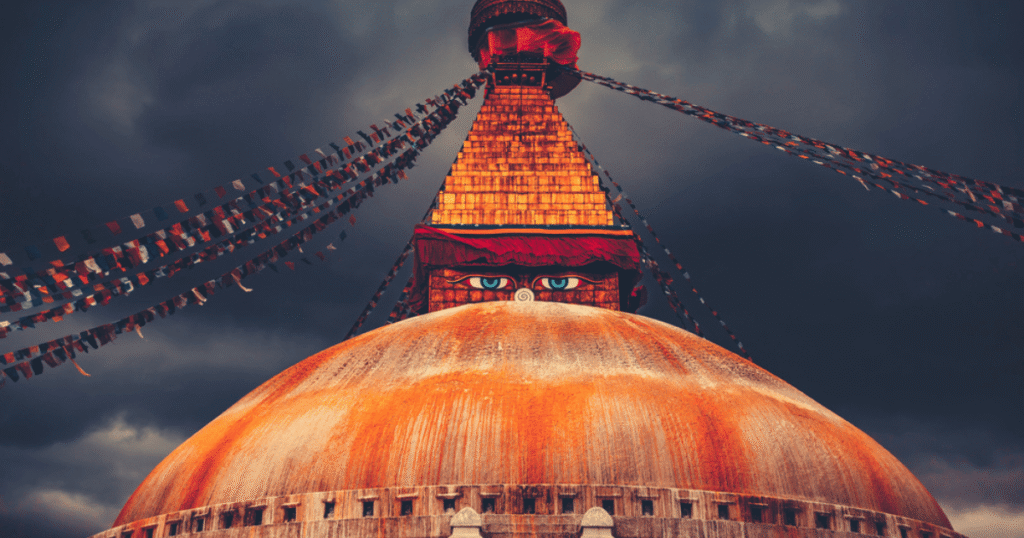
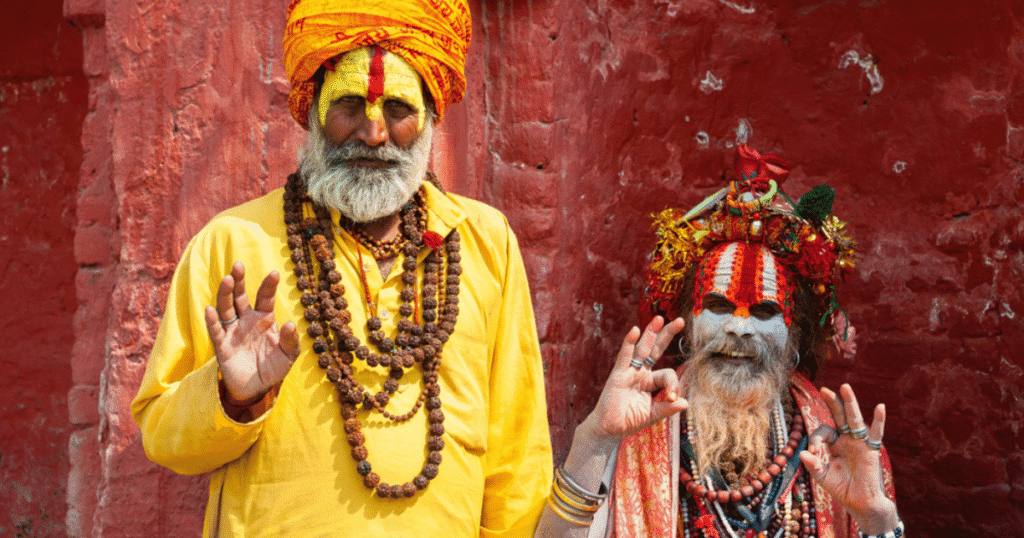
The valley is home to an extraordinary collection of UNESCO World Heritage cultural sites, including the sacred Hindu temple of Pashupatinath, the great Buddhist stupa of Boudhanath and the hilltop temple complex of Swayambhunath.
Kathmandu is also an excellent base from which to explore the wider valley, making it an essential part of many Nepal tours and tailor-made itineraries.
Bhaktapur: Nepal’s Medieval Treasure
Just a short journey from Kathmandu, Bhaktapur feels like stepping into another era.
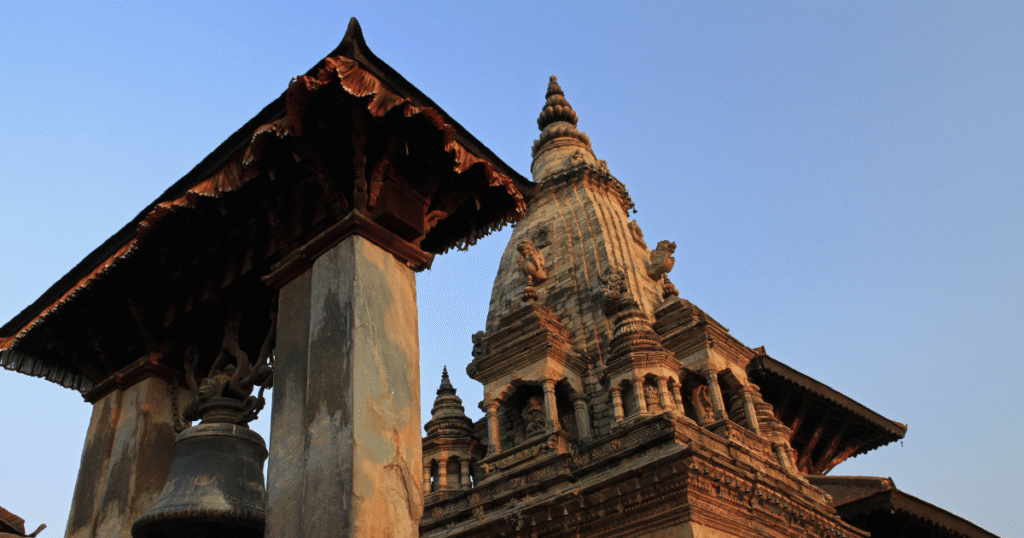
The ancient city was once one of the three royal cities of the Kathmandu Valley and is renowned for its beautifully preserved temples, palaces, courtyards and traditional Newari architecture. Its Durbar Square is particularly impressive, with intricately carved wooden details and pagoda-style temples surrounding the historic royal palace.
Allow time simply to wander. Bhaktapur is a place where the details matter — craftsmen working in small workshops, pottery drying in the squares and local life continuing among buildings that have stood for centuries.
For travellers interested in Nepal’s history, architecture and living culture, Bhaktapur is undoubtedly one of the best places to visit in Nepal.
Pokhara: Lakes, Mountains and Adventure
If Kathmandu introduces you to Nepal’s culture and history, Pokhara reveals another side of the country.
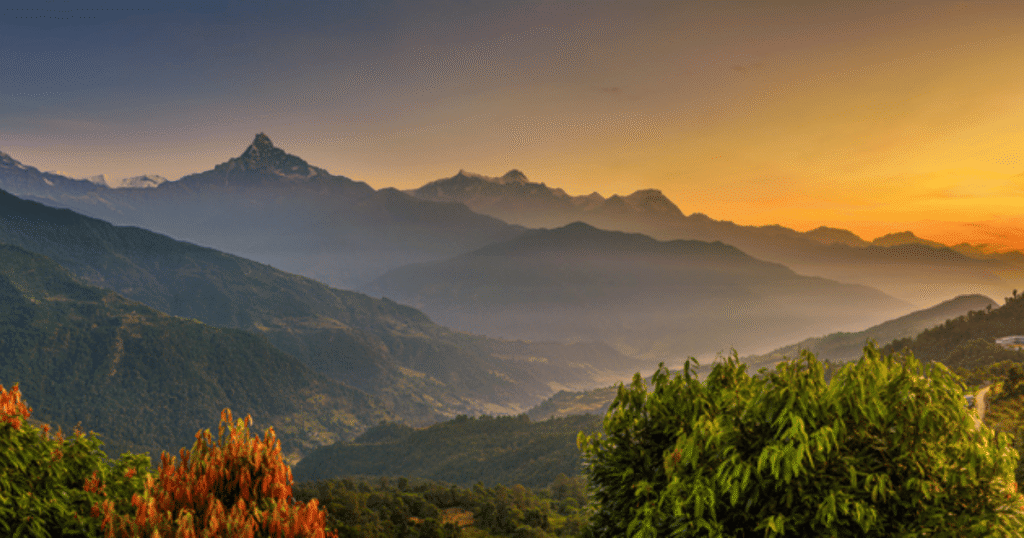
Set beside tranquil Phewa Lake and backed by the spectacular Annapurna and Dhaulagiri ranges, Pokhara has long been a favourite stop for travellers visiting Nepal. On a clear day, the mountain views are extraordinary.
There are plenty of ways to enjoy the area. Take a boat across Phewa Lake, explore the lakeside streets, visit the World Peace Pagoda or simply relax and admire the Himalayan panorama.
Pokhara is also the gateway to some of Nepal’s most famous trekking routes, including the Annapurna region. For those who want a little adventure without committing to a long trek, there are numerous shorter walks and day hikes in the surrounding hills.
A stay in Pokhara can therefore work beautifully as part of both an active Nepal holiday and a more relaxed tailor-made travel itinerary.
The Annapurna Circuit
For many visitors, trekking in the Himalayas is the defining experience of travelling to Nepal.
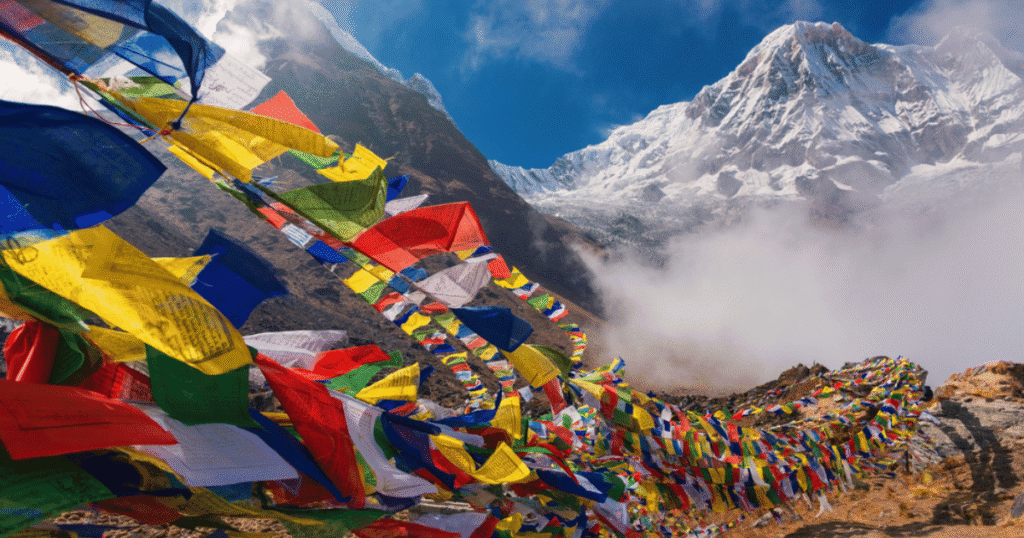
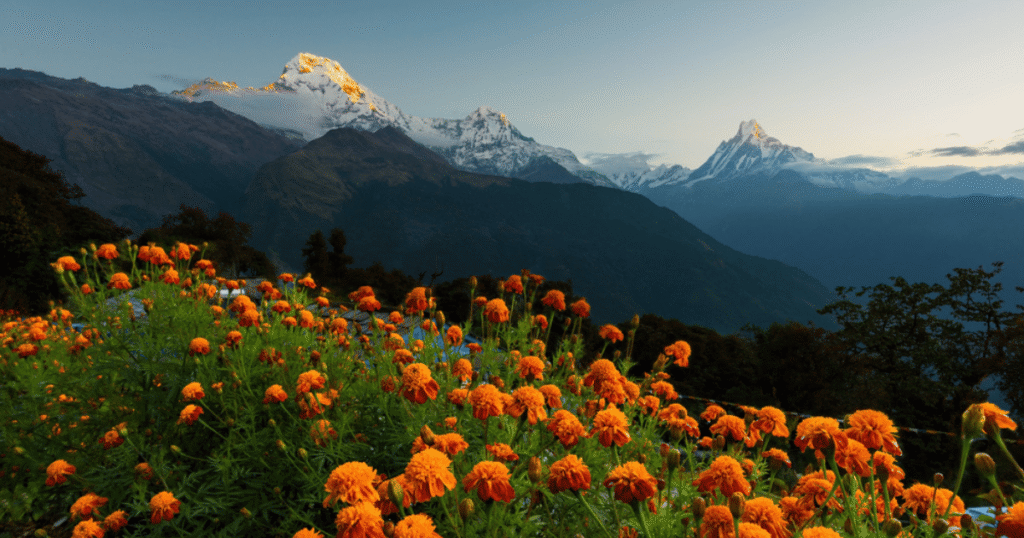
The Annapurna Circuit is one of the world’s classic mountain journeys, taking trekkers through an astonishing variety of landscapes. The route passes through lush valleys, traditional villages, forests and high-altitude terrain, with increasingly dramatic views of the Annapurna range.
One of its great attractions is the diversity of the experience. Along the way, you encounter different communities, landscapes and cultures, while the mountains become increasingly imposing as you gain altitude.
The trek reaches its highest point at the Thorong La pass, at more than 5,400 metres, making the Annapurna Circuit a serious high-altitude adventure that requires appropriate preparation and acclimatisation.
A tailor-made Nepal trekking holiday allows the itinerary to be adapted to your interests, fitness level and available time, with additional nights and rest days incorporated where appropriate.
Chitwan National Park: Nepal Beyond the Mountains
Nepal is not only about the Himalayas.
In the country’s southern Terai region, Chitwan National Park offers a completely different landscape and an opportunity to experience some of Nepal’s remarkable wildlife.
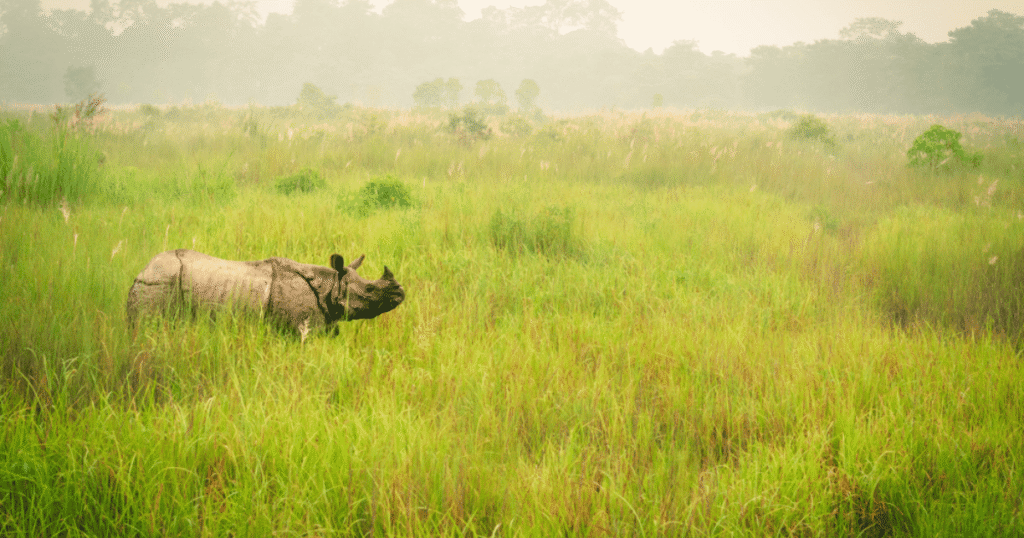
The park’s forests, grasslands and wetlands provide habitat for one-horned rhinoceros, deer, wild elephants and numerous species of birds. With luck, visitors may also encounter the elusive Bengal tiger.
Wildlife activities can include jeep safaris, nature walks and canoe excursions, depending on the season and conditions. A few nights in the region can make a wonderful contrast to the mountains and cultural sights of a Nepal itinerary.
For families and first-time visitors, Chitwan is particularly appealing because it adds a wildlife dimension to a classic Nepal holiday.
Bardiya National Park: A Wilder Nepal
For travellers seeking a more remote and off-the-beaten-track experience, Bardiya National Park is well worth considering.
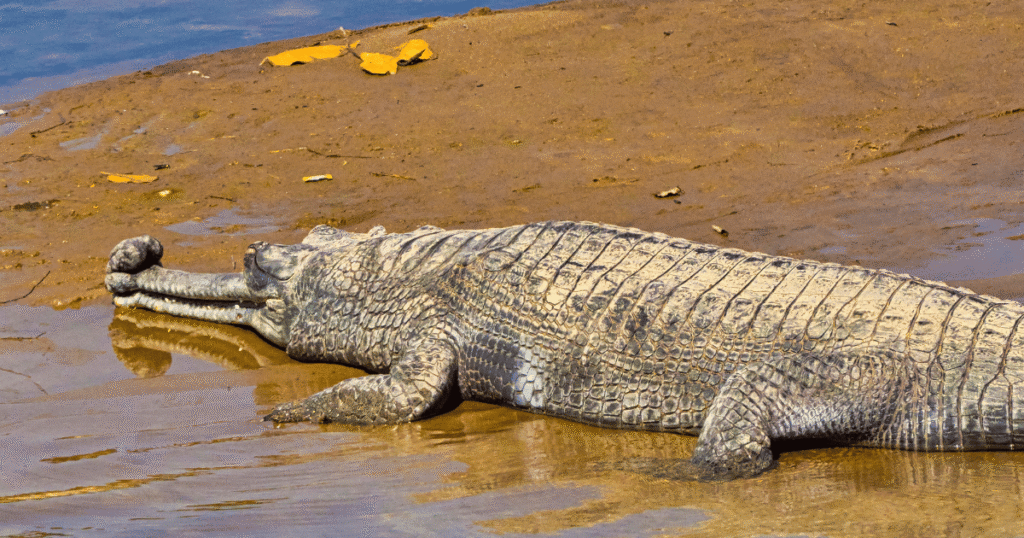
Located in the far west of Nepal’s Terai, Bardiya is considerably less visited than Chitwan and offers a more peaceful wildlife experience. Its forests, grasslands and river systems support an impressive range of wildlife, including rhinoceros, wild elephants, crocodiles and a rich variety of birdlife.
Bardiya can be particularly rewarding for travellers who enjoy getting away from the traditional tourist trail. Combined with cultural experiences and time in local communities, it offers an opportunity to discover a quieter side of Nepal.
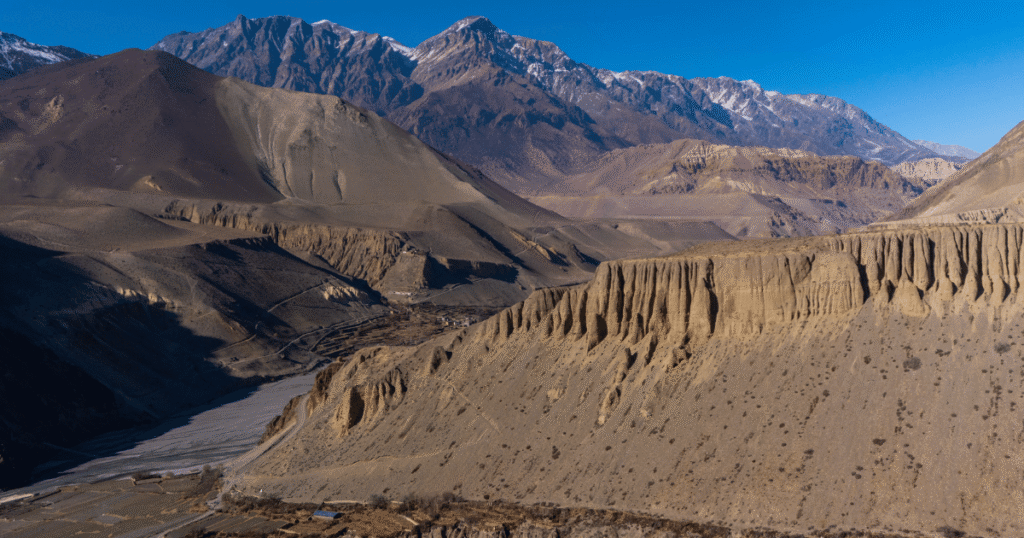
Mustang: Into the Himalayas
For something truly different, venture north into Mustang.
Often described as one of Nepal’s most extraordinary regions, Mustang lies in the rain shadow of the Himalayas and has an almost otherworldly landscape of barren mountains, deep valleys, caves and ancient settlements.
The region has strong Tibetan cultural influences, with Buddhist monasteries and traditional villages scattered among the mountains. Upper Mustang, in particular, has long held an aura of mystery and remoteness, although improved access means that more travellers can now experience this remarkable part of Nepal.
Mustang is an excellent choice for adventurous travellers who want their Nepal tour to go beyond the classic Kathmandu–Pokhara route.
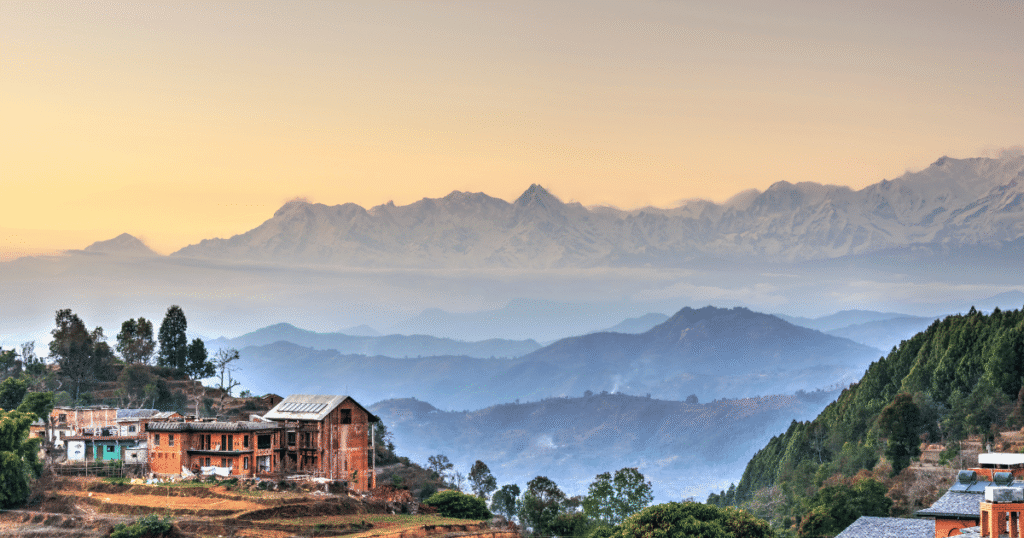
Best Time to Visit Nepal
The best time to visit Nepal depends on what you want to experience, but for many travellers, the months of October and November, followed by March, April and May, offer some of the most rewarding conditions.
Nepal’s climate varies considerably according to altitude and region, so there isn’t one single answer to the question of when to travel. The best season for a Himalayan trek may be different from the ideal time for a wildlife safari or a cultural journey through Kathmandu and Bhaktapur.
Autumn: October to November
Autumn is widely considered one of the best times to travel to Nepal, particularly for trekking.
The summer monsoon has usually ended, leaving clearer skies, fresh mountain air and excellent conditions for enjoying Himalayan views. October and November are particularly popular for trekking in the Annapurna and Everest regions.
This is also an excellent time for sightseeing in Kathmandu, exploring Bhaktapur and enjoying the landscapes around Pokhara. Wildlife experiences in Chitwan and Bardiya can also be rewarding.
The combination of comfortable temperatures, relatively dry weather and good visibility makes autumn an especially attractive season for a first Nepal holiday.
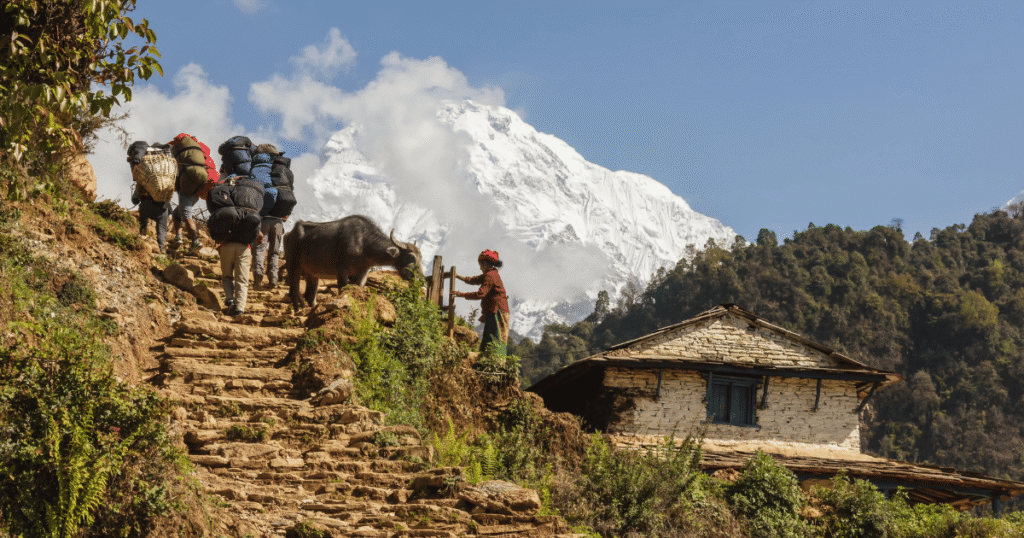
Spring: March to May
Spring is another excellent time to visit Nepal, particularly for trekking, walking and enjoying the country’s landscapes.
Temperatures gradually rise through March and April, while the hills become particularly colourful as rhododendrons and other flowers come into bloom. Mountain views can be impressive, especially earlier in the season.
May can become increasingly warm at lower elevations, but it remains a popular month for Himalayan adventures before the arrival of the summer monsoon.
For travellers who want to combine trekking with cultural sightseeing, spring can be an excellent choice for a tailor-made Nepal holiday.
Summer and the Monsoon: June to September
The summer monsoon typically brings heavy rainfall to much of Nepal, particularly from June through September.
For trekking in many parts of the country, this can mean wetter trails, cloudier mountain views and more challenging travel conditions. However, this doesn’t mean Nepal should be ruled out completely during the summer.
Some regions are particularly interesting at this time because they sit within the Himalayan rain shadow. Mustang, for example, can offer a very different experience from the wetter areas of Nepal during the monsoon months.
The summer can also be a quieter period for tourism, which may appeal to travellers looking for a more peaceful experience and who are flexible about the weather.
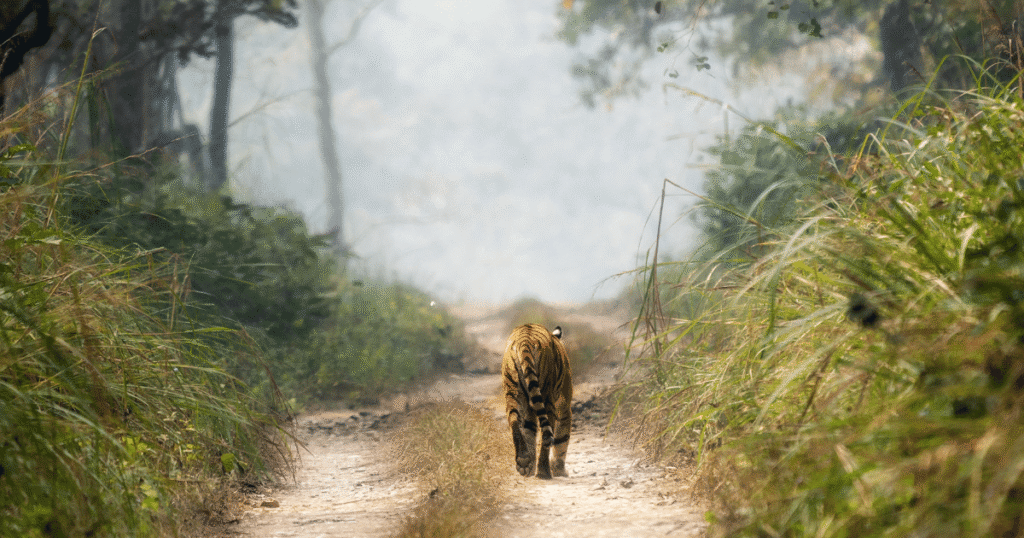
Winter: December to February
Winter brings colder temperatures, particularly at higher elevations, but the lower-altitude regions can still offer rewarding travel experiences.
Kathmandu, Bhaktapur, Pokhara and the Terai can all be explored during the winter months, with crisp days often providing excellent visibility.
For high-altitude trekking, however, winter conditions can be more challenging. Snow and freezing temperatures can affect some mountain routes, so careful planning is essential.
For travellers primarily interested in culture, scenery and wildlife rather than high-altitude trekking, winter can be an appealing time for a Nepal holiday.
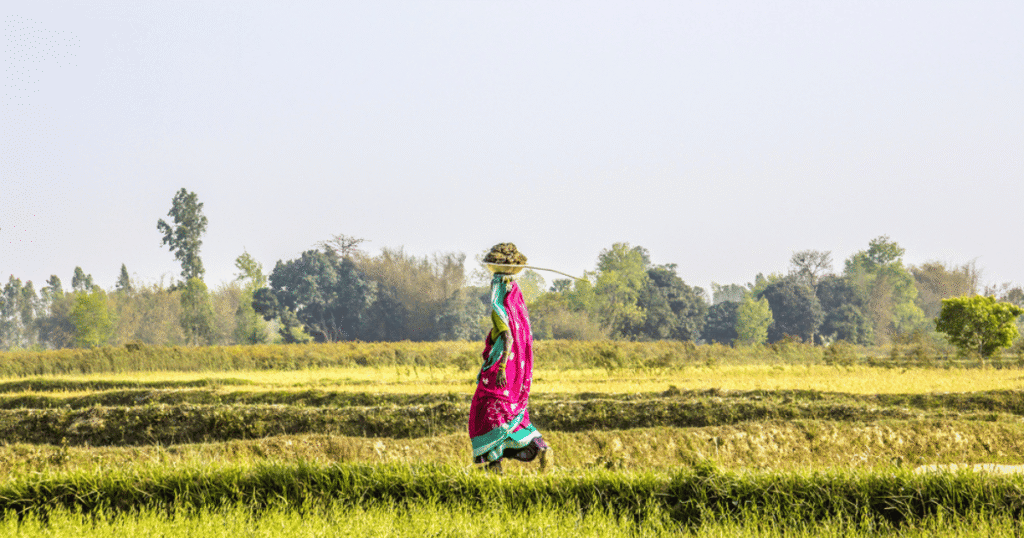
So, when should you travel to Nepal?
If your priority is Himalayan trekking, autumn and spring are generally the best seasons to consider.
If you are planning a cultural holiday in Kathmandu and Bhaktapur, Nepal can be visited throughout much of the year, with autumn, spring and winter all offering different advantages.
For wildlife holidays in Chitwan or Bardiya, the cooler months can be particularly comfortable.
And if you’re interested in Mustang, its location in the rain shadow of the Himalayas means it can offer opportunities outside the traditional peak seasons.
Ultimately, the best time to travel to Nepal comes down to your itinerary. This is where tailor-made travel has a real advantage: your journey can be planned around the experiences you most want to enjoy, rather than trying to fit everything into a standard seasonal itinerary.
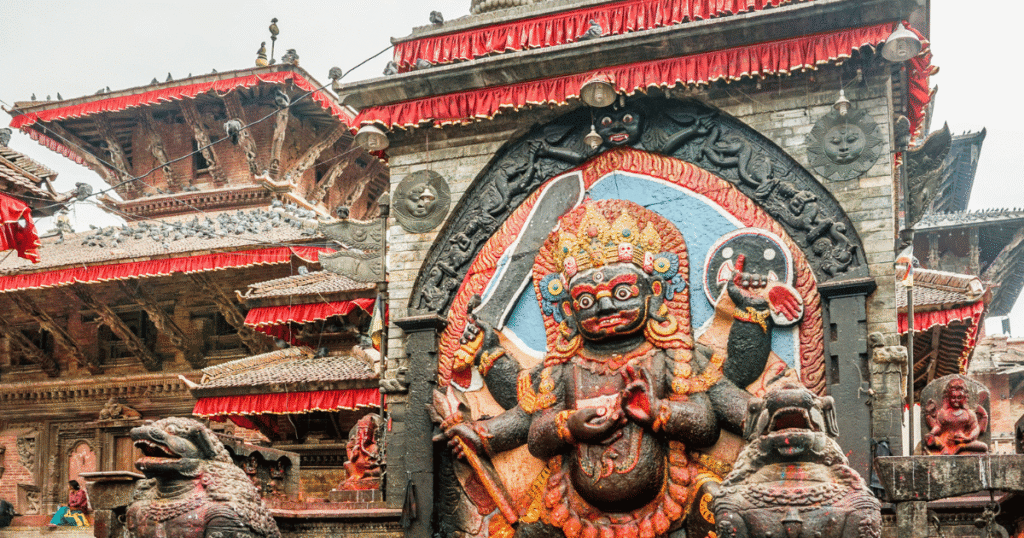
Your Tailor-Made Nepal Holiday
Nepal is a country where different experiences can be combined in remarkable ways.
You might begin in Kathmandu, explore the temples and medieval streets of Bhaktapur, travel to Pokhara for views of the Annapurna range and then embark on a Himalayan trek. From there, continue south to Chitwan or Bardiya for a wildlife experience, or venture north into the extraordinary landscapes of Mustang.
There is no single way to experience Nepal.
At Enriching Journeys, we believe the most memorable Nepal holidays are those designed around the traveller. Whether you are looking for a cultural journey, an adventurous Nepal trekking holiday, a wildlife experience or a combination of all three, tailor-made travel to Nepal allows you to create an itinerary that reflects your interests and the way you want to travel.
Nepal is a country of extraordinary contrasts — ancient and modern, peaceful and exhilarating, spiritual and adventurous. From the temples of Kathmandu to the peaks of the Himalayas and the wildlife-rich plains of the Terai, every journey reveals another side of this captivating country.
Discover Nepal with Enriching Journeys and start planning your tailor-made Nepal holiday.
FAQ section
I’d add this at the end of the article, both for users and to target additional long-tail searches:
What are the best places to visit in Nepal?
Some of the best places to visit in Nepal include Kathmandu and the Kathmandu Valley, Bhaktapur, Pokhara, the Annapurna region, Chitwan National Park, Bardiya National Park and Mustang. The right combination depends on whether you are most interested in culture, trekking, wildlife, scenery or adventure.
What is the best time to visit Nepal?
For most travellers, autumn and spring are among the best times to visit Nepal. October and November are particularly popular for trekking, while March to May offers warmer temperatures and beautiful spring landscapes. The best time ultimately depends on where you want to go and what you want to do.
How long should I spend in Nepal?
Around two weeks allows enough time to experience several of Nepal’s highlights, such as Kathmandu, Pokhara and Chitwan. Longer trips are ideal if you want to include a Himalayan trek, Mustang or more remote regions.
Is Nepal suitable for a tailor-made holiday?
Yes. Nepal is particularly well suited to tailor-made travel because it offers such a diverse range of experiences. A bespoke itinerary can combine cultural sightseeing, trekking, wildlife, relaxation and adventure according to your interests and preferred pace.
Is Nepal only a destination for trekkers?
Not at all. While Nepal is famous for Himalayan trekking, you can enjoy an exceptional holiday without undertaking a long trek. Kathmandu, Bhaktapur, Pokhara, Chitwan and Bardiya offer cultural, scenic and wildlife experiences, while shorter walks and day hikes can be incorporated for those who want to experience the mountains without a demanding trek.